
A sagging, moisture-damaged floor in Davenport, Iowa rebuilt from the crawlspace up — failed framing removed, a new moisture barrier and center bearing support installed, and the floor reframed in pressure-treated lumber.
PROJECT SUMMARY
Date posted: July 13, 2026
Service: Structural floor system rebuild
Location: Davenport, Iowa
Problem: Wood floor framing severely deteriorated by moisture, leaving the structural system unsafe
Solution: Removed failed framing, excavated and prepped the crawlspace, installed a heavy-duty moisture barrier, built a new center bearing support, and rebuilt the floor framing in pressure-treated lumber
Framing: New pressure-treated lumber
Moisture control: Heavy-duty crawlspace moisture barrier
Completion status: Completed
Project photos
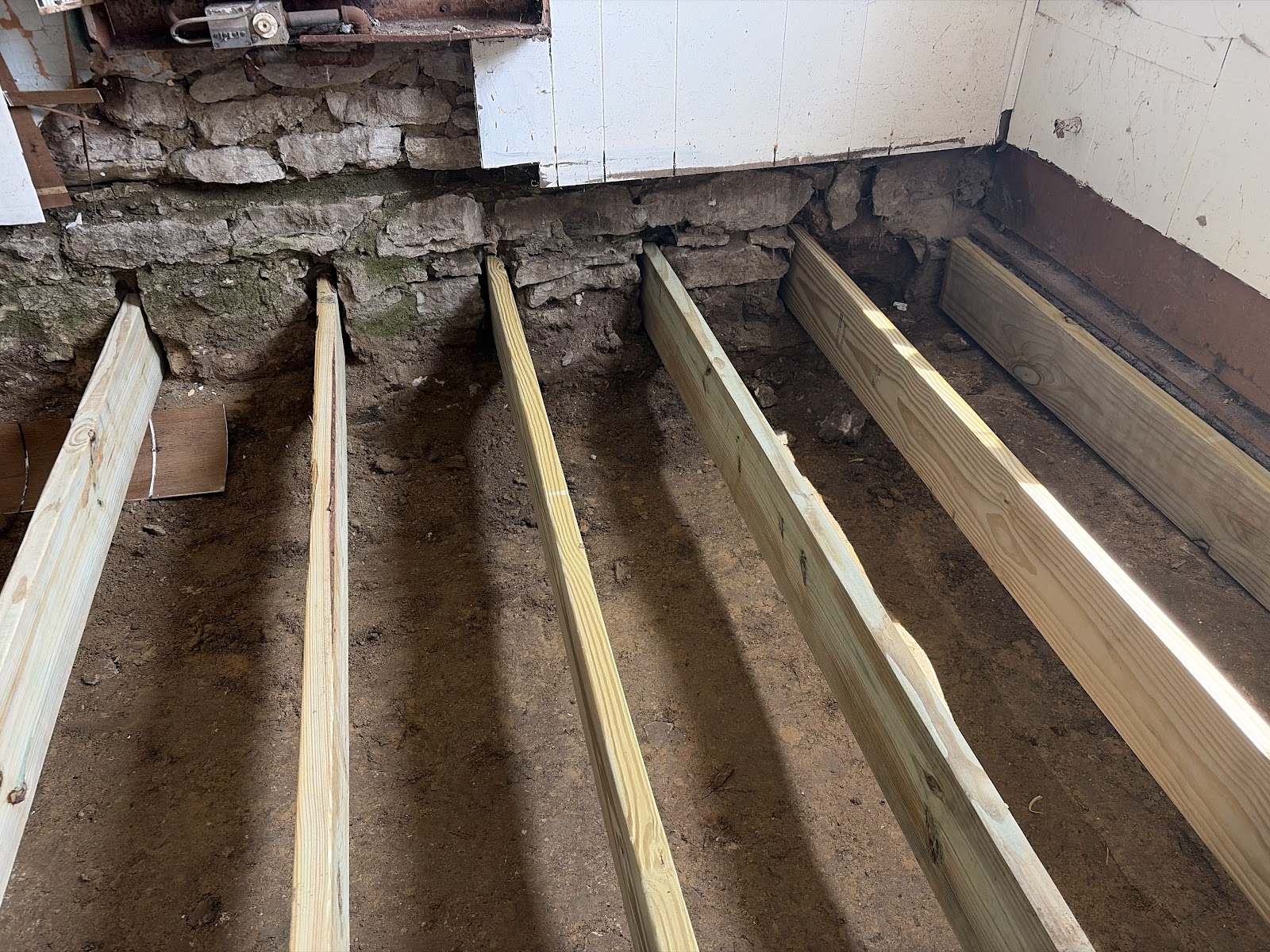
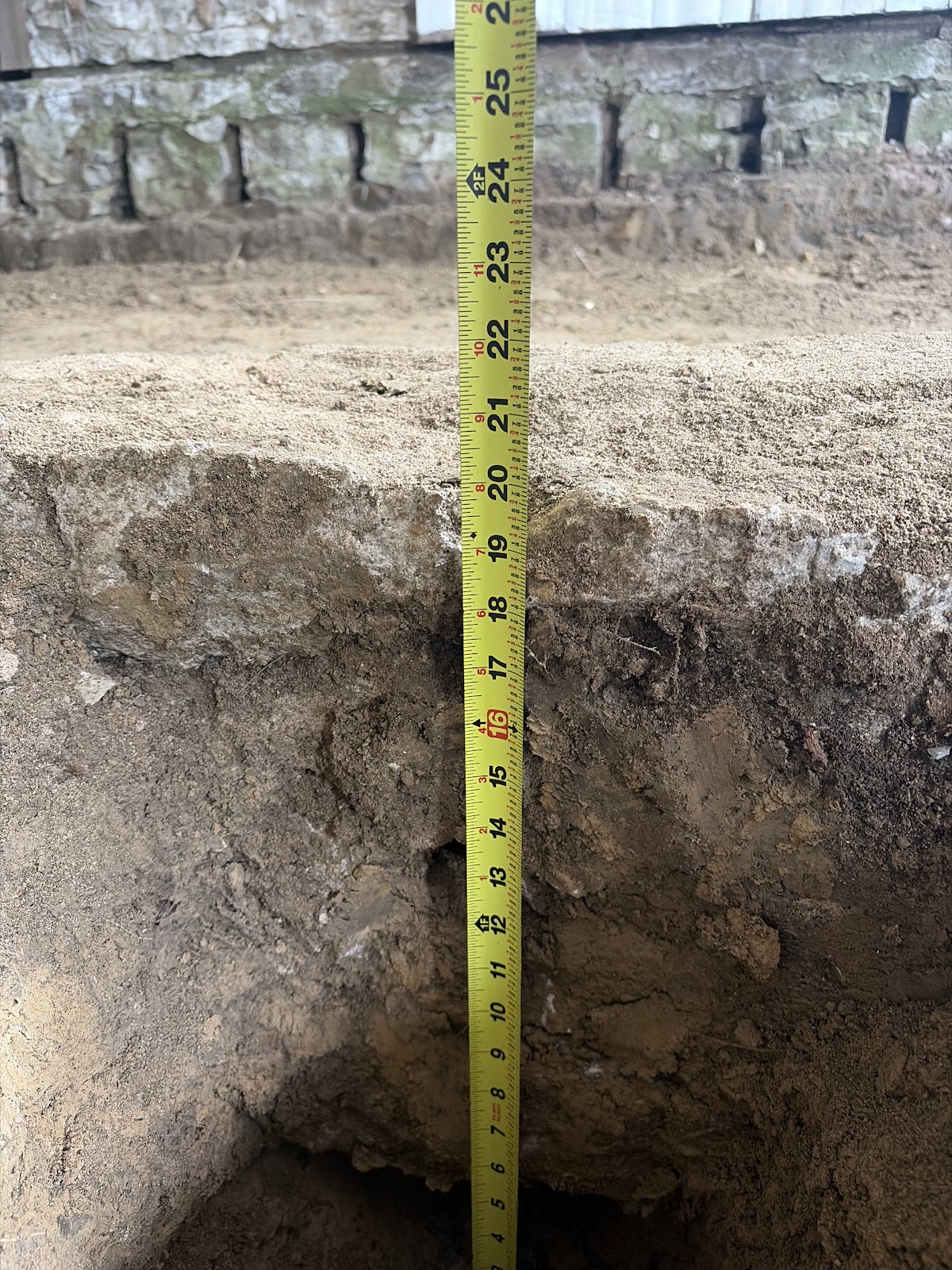
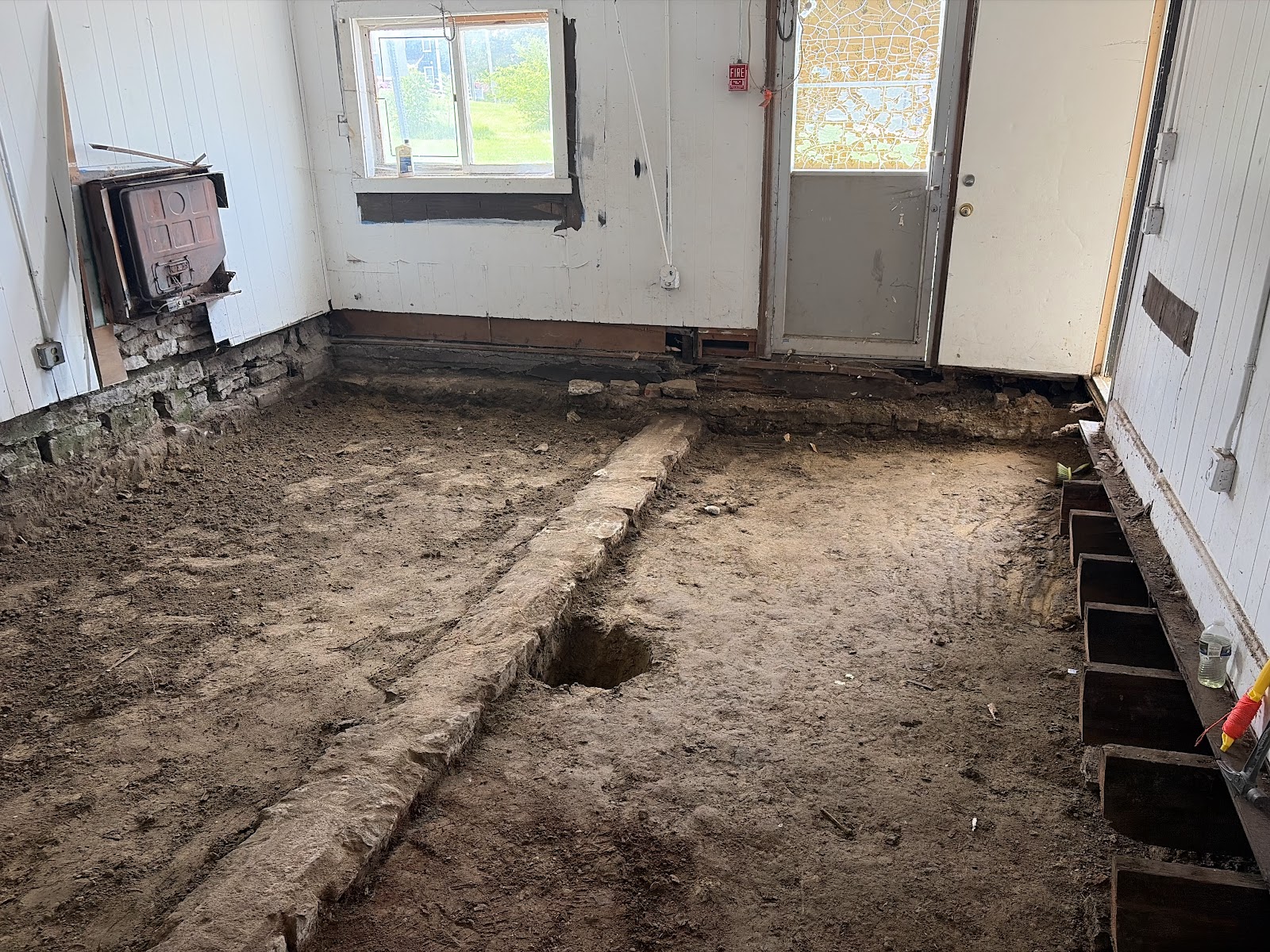
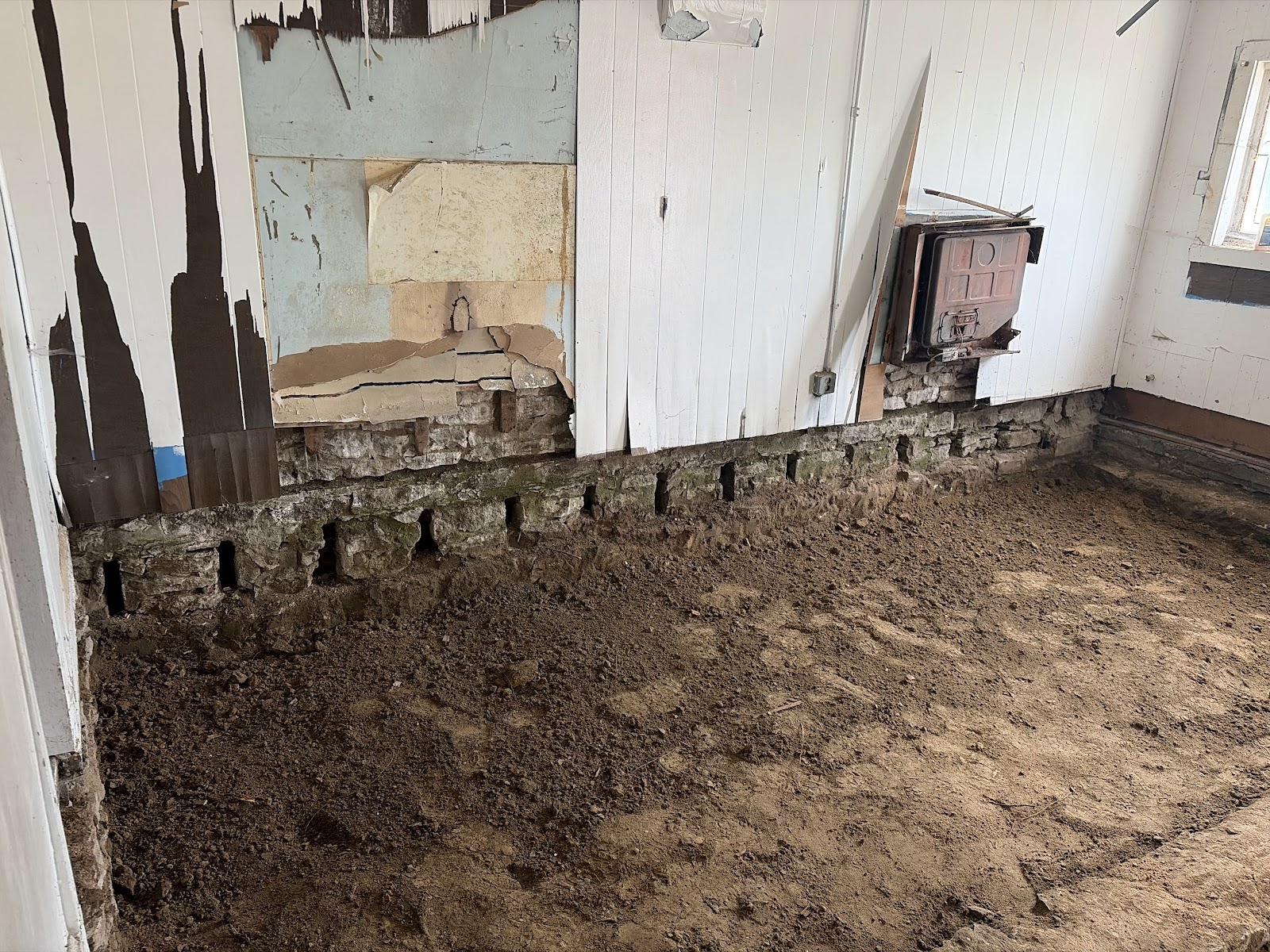
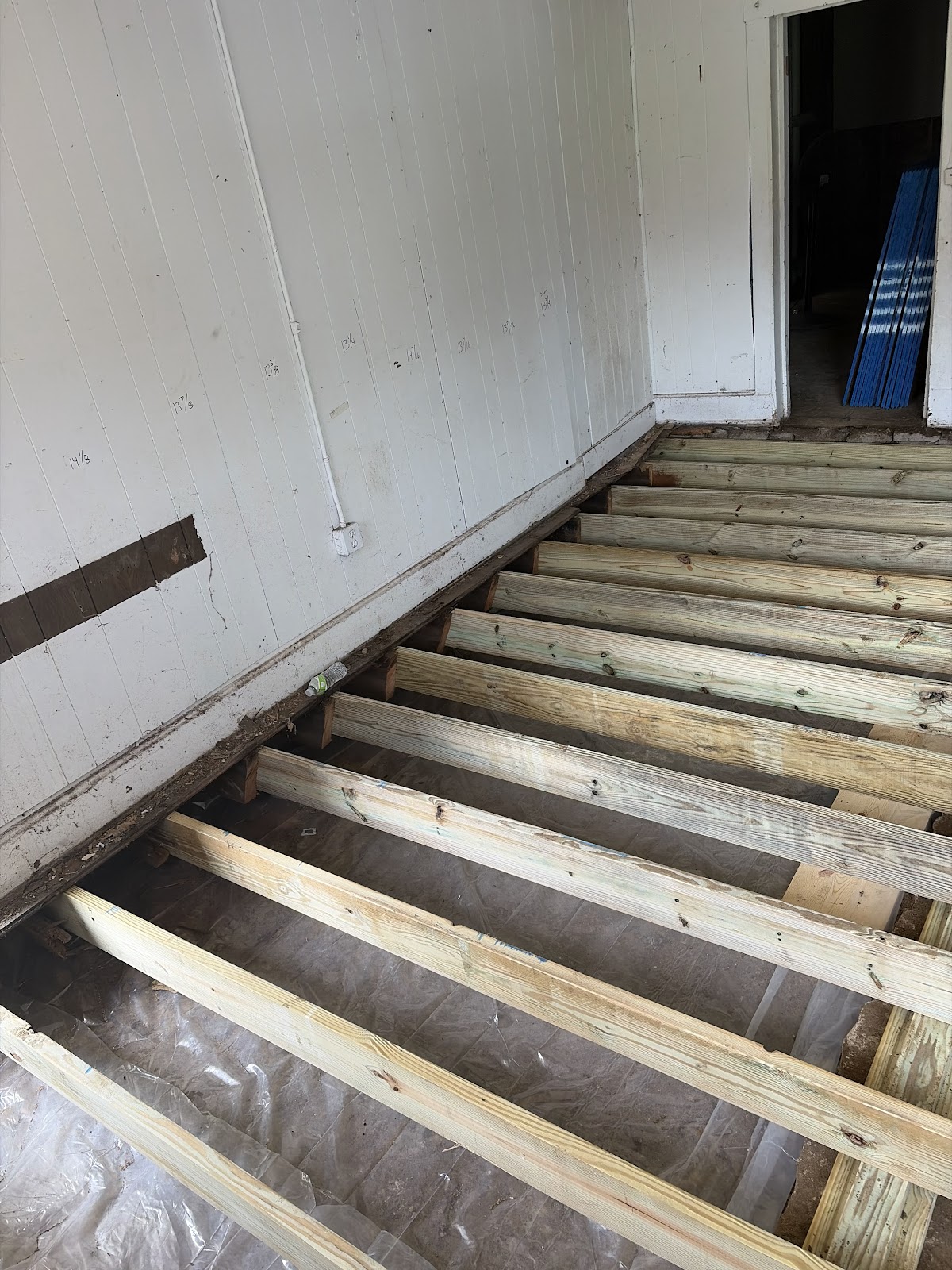
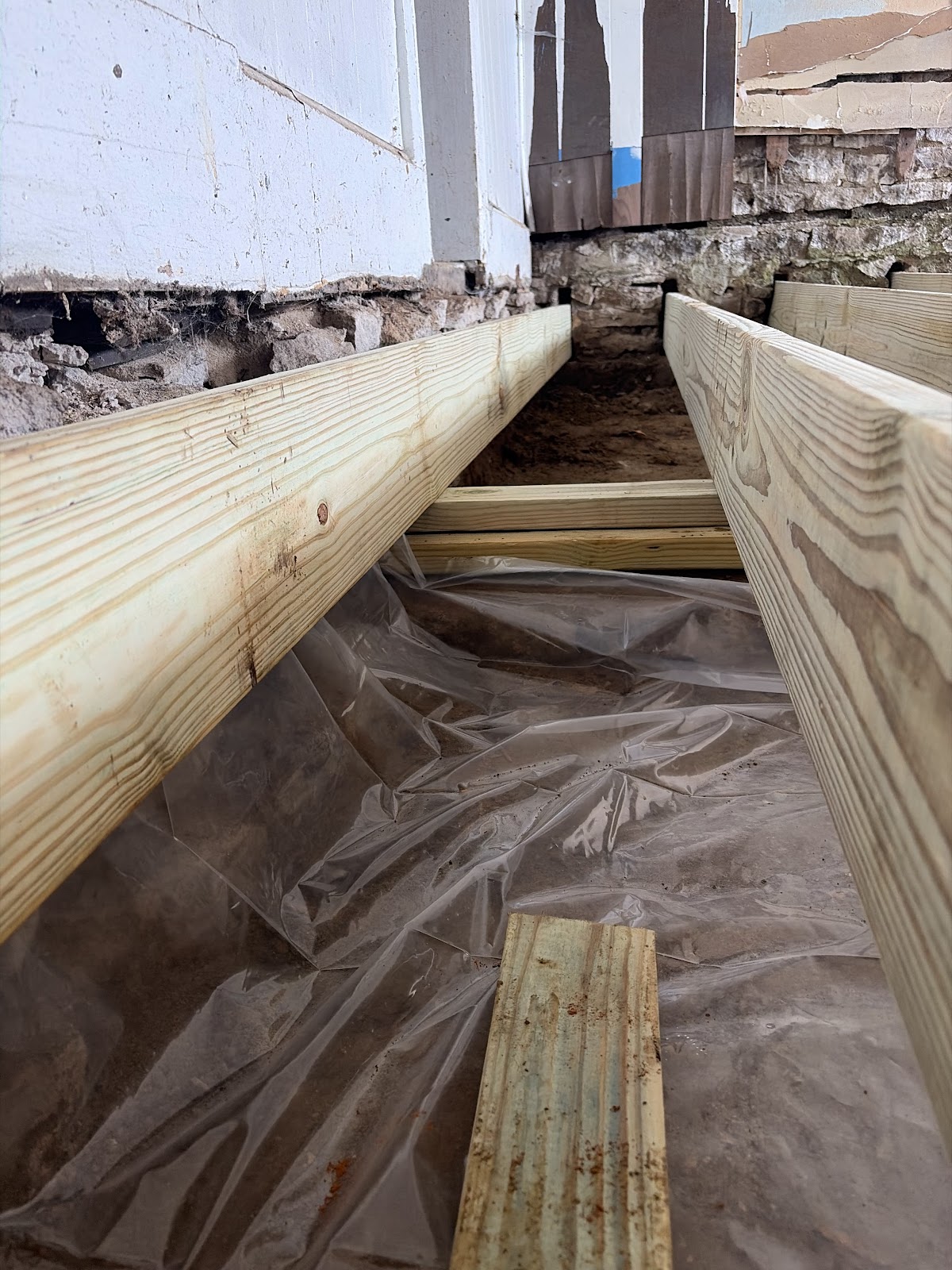
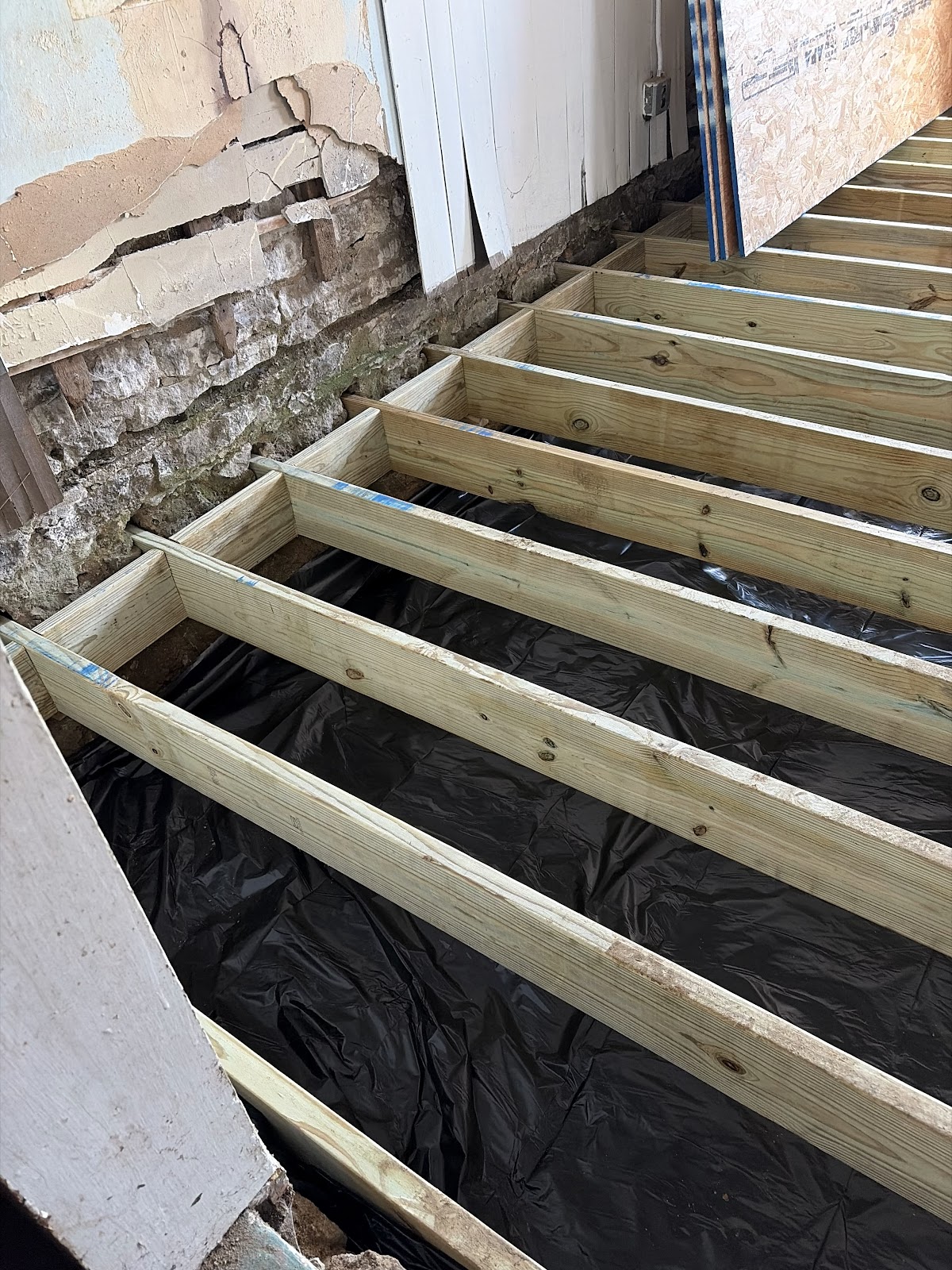
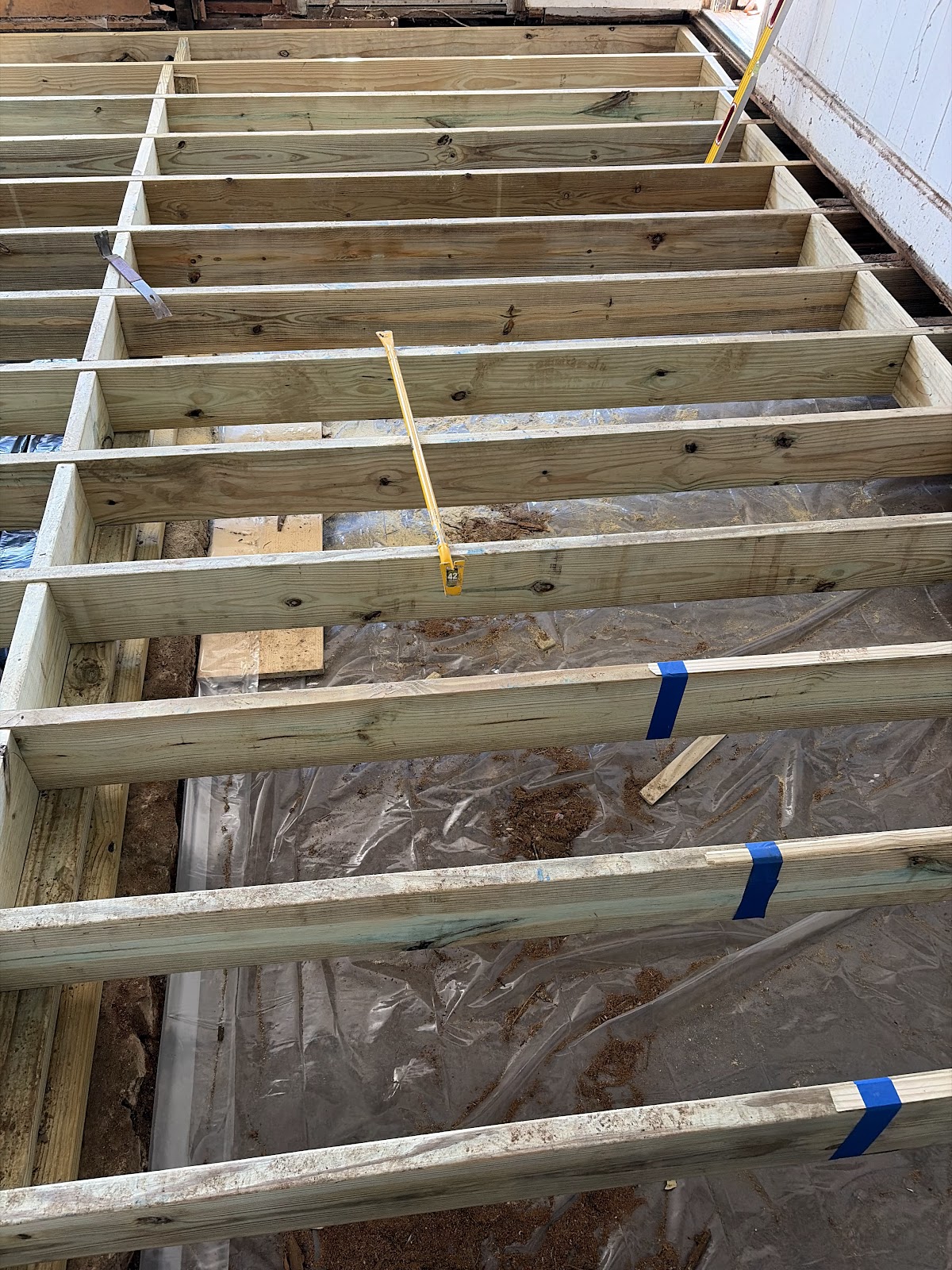
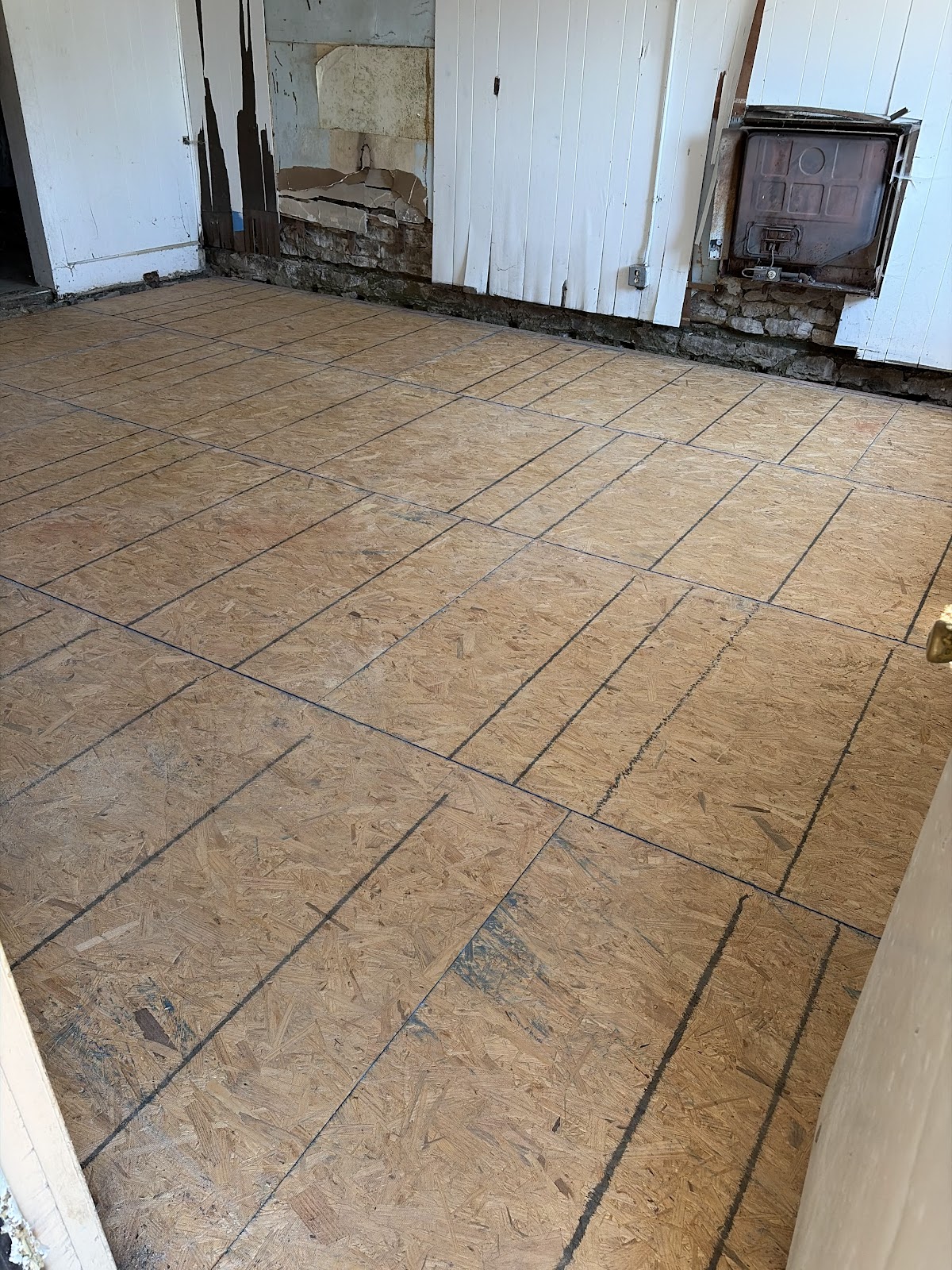
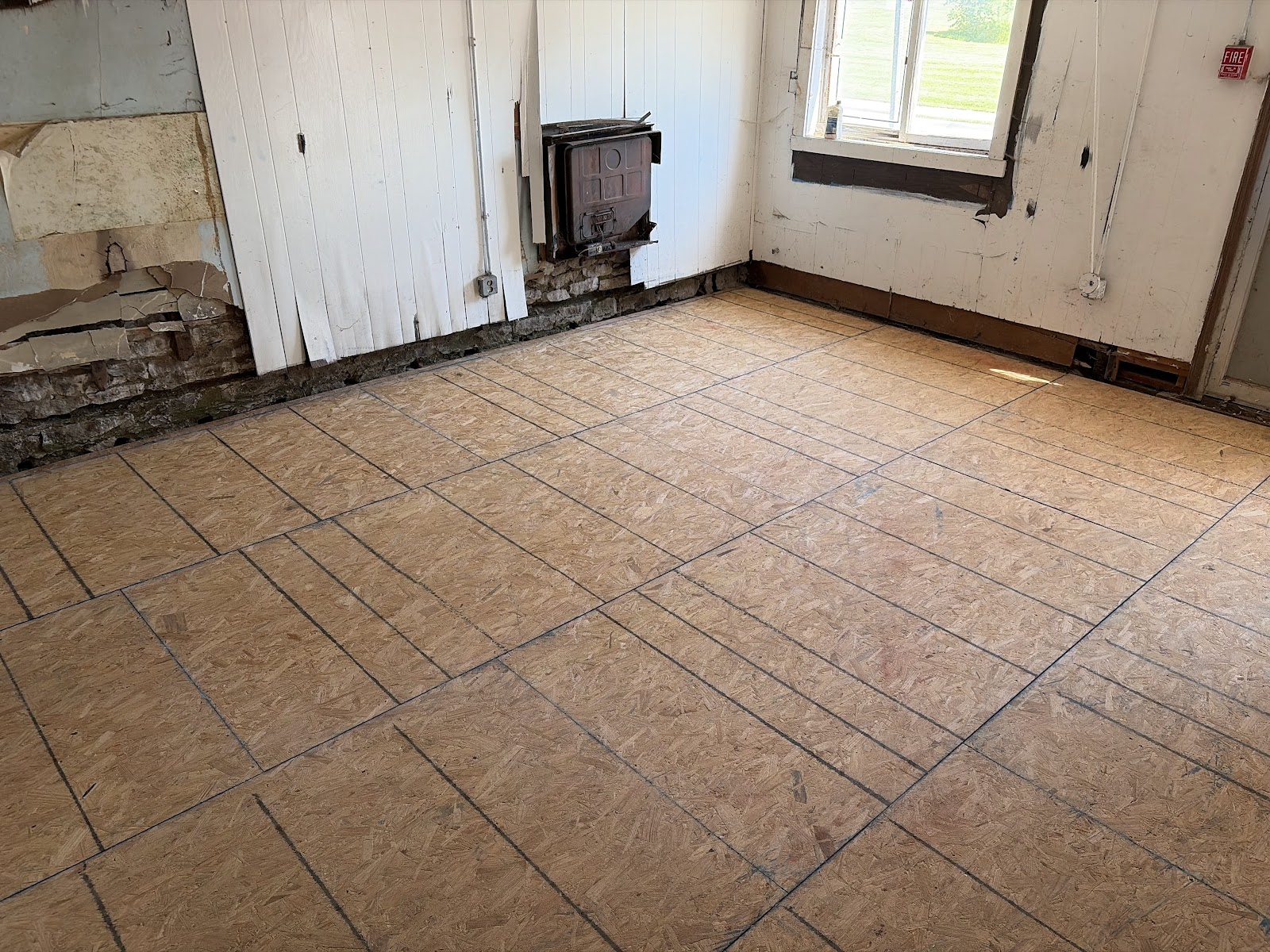
Project overview
When a floor begins to sag, the problem is often much deeper than what you can see from above. At this Davenport property, years of moisture exposure had severely deteriorated the wood floor framing, leaving the structural system unsafe and requiring a complete rebuild.
Our crew carefully removed the failed framing, excavated and prepared the crawlspace, installed a heavy-duty moisture barrier, constructed a new center bearing support, and rebuilt the entire floor framing system with new pressure-treated lumber. Every step was completed to restore the building’s structural integrity while addressing the conditions that caused the deterioration in the first place.
At Behncke Construction, we believe structural repairs should solve the root cause—not just the symptoms. It’s that attention to detail that has earned the trust of homeowners and property owners throughout the Quad Cities since 1948.
If you’re noticing sagging or uneven floors, don’t ignore the warning signs. A professional structural inspection can identify the problem before it becomes a much larger repair.
Project details
The sag was a symptom; the cause was moisture in the crawlspace that had rotted the wood framing. The rebuild addressed both: the failed framing was removed, the crawlspace excavated and prepared with a heavy-duty moisture barrier, a new center bearing support constructed, and the entire floor system reframed with pressure-treated lumber — so the new structure isn’t exposed to the same conditions that destroyed the old one.
What homeowners should know
A sagging or bouncy floor usually traces back to the framing below it — the joists, beams, and center support in the basement or crawlspace. In older homes the most common culprit is moisture: damp crawlspace air and ground moisture rot the wood over time until it can no longer carry the load.
A lasting repair has to fix the wood and the water. Rebuilding with pressure-treated lumber and a proper center bearing support restores the structure, but without a crawlspace moisture barrier to control ground moisture, new framing would eventually face the same decay. Catching sagging floors early keeps a framing repair from turning into a full structural rebuild.
Related services
Learn more about our foundation repair and basement waterproofing, or browse more recent projects.
Related learning center articles
Want to go deeper? Termites & Wood Rot vs. Foundation Problems: Telling Them Apart.
Photo highlights
The photos follow the rebuild from the finished framing back through the work that made it possible: the completed pressure-treated floor system, the excavated and prepared crawlspace, and the deteriorated framing that had to come out. The remaining images show the new joists, bearing support, and framing detail up close.
Related services & resources
Worried about a sagging floor?
If a floor in your home dips, bounces, or feels soft underfoot, we’ll take a look and tell you honestly what it needs — from a targeted joist repair to a full structural rebuild. No pressure, just a straight answer.
Call (563) 332-6045