Tuckpointing vs. Repointing: What’s the Difference?
You’ll hear both words for fixing crumbling mortar joints. Here’s what each really means — and what your brick actually needs.
Get a free estimateWhen the mortar between your bricks starts crumbling, you’ll hear two terms thrown around: tuckpointing and repointing. Most people use them to mean the same thing, but there’s a real difference — and knowing it helps you understand what your brickwork needs.
One is the repair; one is the finish
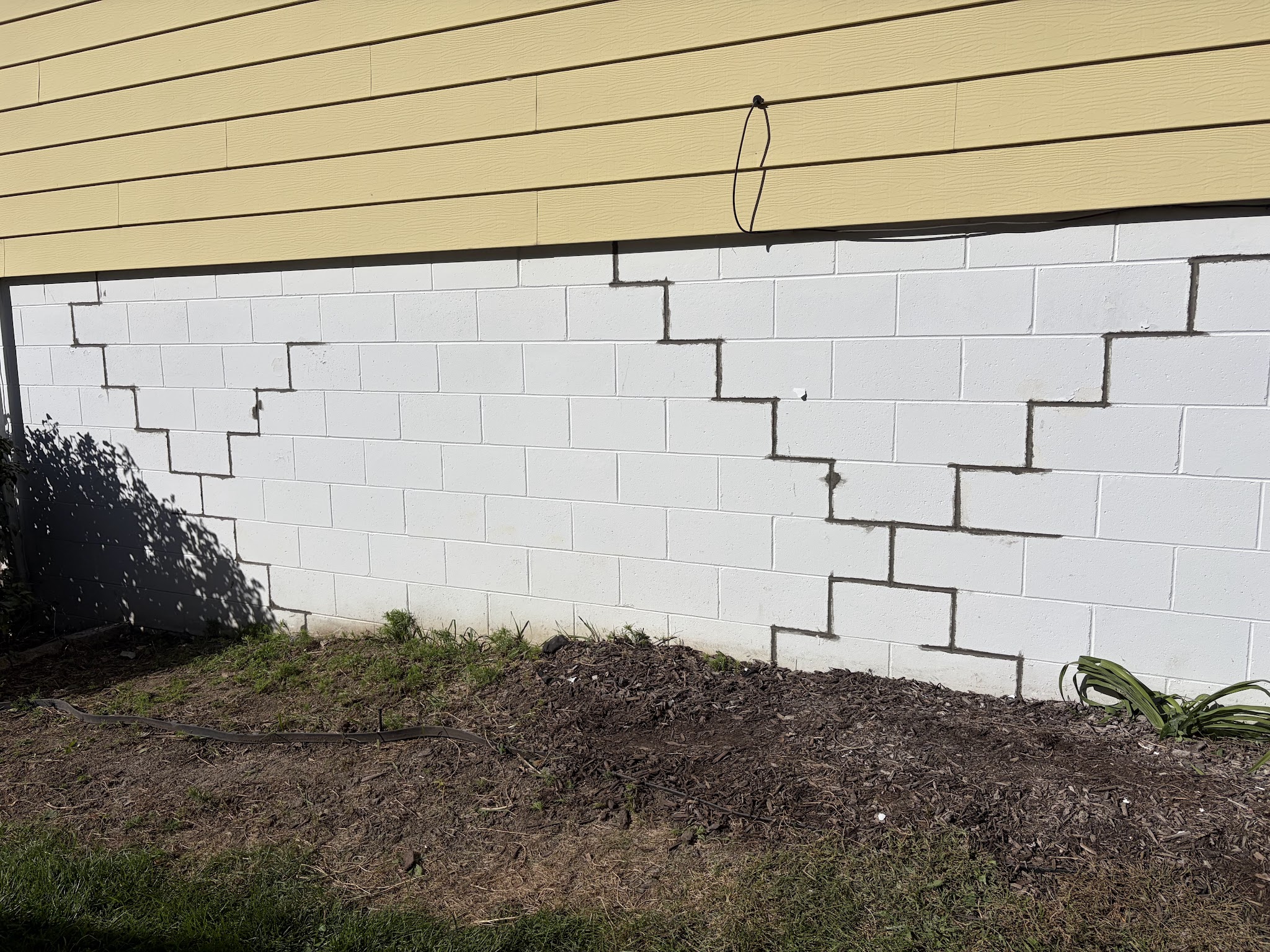
Repointing is the actual repair: grinding out old, failed mortar and packing in fresh mortar to restore the joints. Tuckpointing is a finishing technique — using two colors of mortar to create the look of very thin, crisp joints. In everyday use, most contractors (and most customers) say “tuckpointing” to mean the whole job of replacing bad mortar. Either way, the work that protects your wall is the same: out with the old mortar, in with the new.
How a mortar joint is restored
Mortar is the wall’s first defense
Mortar is meant to be the sacrificial part of a wall — softer than the brick, so it takes the wear and can be renewed. When it crumbles and the joints open up, water gets behind the brick, and that’s where the real damage starts: freeze-thaw, spalling brick, and eventually structural movement. Restoring the joints keeps water out and stops that chain before it begins.

Why the mortar match matters
Good joint work isn’t just packing in any mortar. The new mortar has to match the old in strength and the joints have to be cut deep enough to hold — too-hard modern mortar on old brick can actually cause the brick faces to spall. Matching the color and tooling the joints to match the original is what makes a repair disappear into the wall instead of standing out. It’s skilled work, and it’s worth doing right.
Mortar joints crumbling or washing out?
We’ll take a look and tell you how much needs repointing — and match the repair to your brick. Free estimate.
Get a free estimate →Common questions
Is tuckpointing the same as repointing?
Technically, repointing is replacing failed mortar, and tuckpointing is a finishing technique that creates the look of fine joints. In everyday use they’re used interchangeably to mean restoring crumbling mortar joints — which is the work that actually protects your wall.
How do I know if my brick needs repointing?
Look for mortar you can scratch out with a key, joints that are recessed or crumbling, gaps letting light or water through, and bits of sand at the base of the wall. Those mean the mortar has failed and water is getting in.
How long does tuckpointing last?
Done right with properly matched mortar, restored joints can last decades — often as long as the original mortar did. The key is matching the mortar to the brick and tooling the joints correctly.
Can I just seal over bad mortar instead?
No — sealing over crumbling mortar traps moisture and hides the problem while it gets worse. The failed mortar has to be removed and replaced for the repair to hold.