Why Brick Spalls and Crumbles
When a brick’s face flakes, pops, or crumbles off, water and winter are almost always behind it. Here’s what causes spalling — and how to stop it.
Get a free estimateSpalling is when the face of a brick flakes, pops, or crumbles away, leaving a rough, pitted surface. It’s one of the most common masonry problems in the Quad Cities — and like most brick trouble, it comes down to water and our freeze-thaw winters.
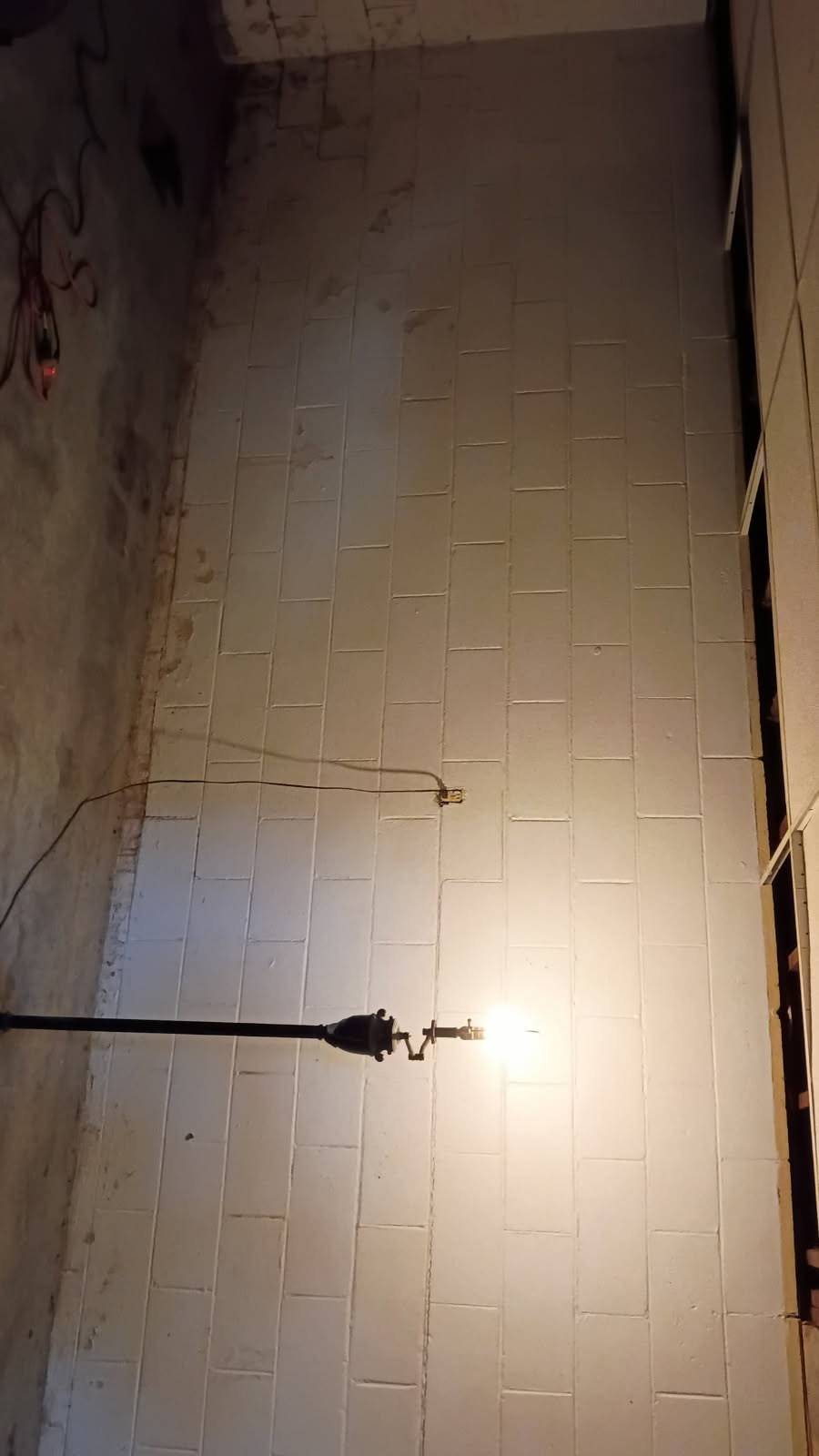
Water gets in, freezes, and pops the face off
Brick is porous — it soaks up water. When that water freezes, it expands about nine percent, and the pressure pushes the face of the brick right off. Repeated through a Quad Cities winter, that’s what turns a solid brick into a crumbling, pitted one. Failing mortar joints and anything that traps moisture in the brick make it happen faster.
How freeze-thaw spalls a brick
What drives spalling
- Failing mortar joints — open joints let water pour into and behind the brick.
- The wrong sealer or paint — a non-breathable coating traps moisture inside the brick, where it freezes and spalls from within.
- Too-hard mortar — modern mortar harder than the brick forces moisture and stress into the brick face instead of the joint.
- Ground contact and splashback — brick that stays wet at the base from soil or splashing spalls first.
Stopping spalling for good
You can’t un-spall a brick — damaged faces are replaced with matching brick. But replacing brick without fixing why it spalled just starts the clock again. The real fix addresses the water: repointing failed mortar, correcting drainage and grading, and using a breathable sealer that lets the wall dry out rather than trapping moisture in. Fix the water, and the new brick lasts.
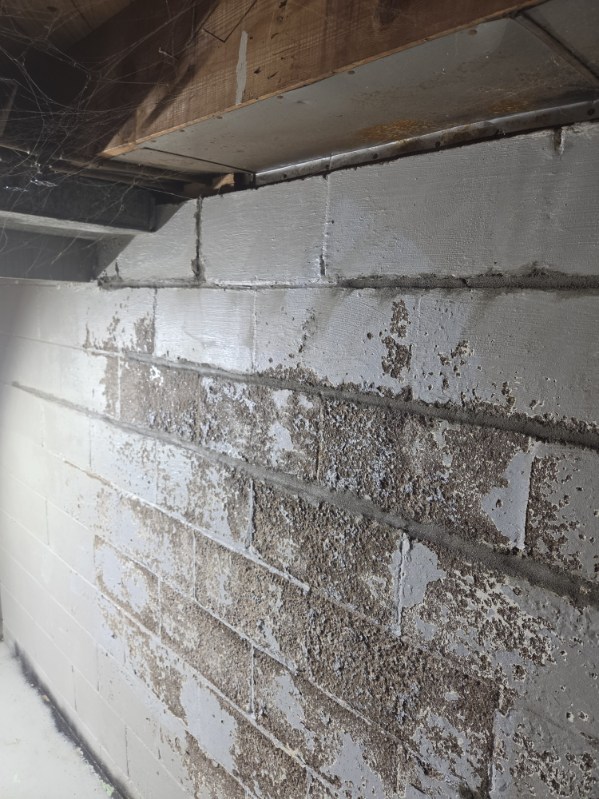
Seeing brick flake or crumble?
We’ll find where the water’s coming from, replace the damaged brick, and fix the cause so it doesn’t come back. Free estimate.
Get a free estimate →Common questions
What causes brick to spall?
Water soaked into porous brick freezes and expands, pushing the face off. Failing mortar, non-breathable sealers or paint, too-hard mortar, and constant ground moisture all speed it up.
Can spalled brick be repaired?
The damaged brick faces themselves can’t be restored — they’re replaced with matching brick. The important part is fixing what let water in, or the new brick will spall too.
Does sealing brick stop spalling?
Only the right kind. A breathable masonry sealer helps keep water out while letting the wall dry. A non-breathable coating or paint traps moisture inside and actually makes spalling worse.
Is spalling brick a structural problem?
Surface spalling is mostly cosmetic at first, but left unchecked it eats into the brick and, combined with failing mortar, can lead to real structural weakness. It’s best addressed early while it’s still a surface issue.