
Annual Basement & Foundation Checkup
We don’t just inspect your basement. We track it over time.
Once a year, the same contractor who has repaired Quad Cities foundations since 1948 tests your sump system, walks your foundation, and photographs everything — then compares it all against last year’s record. Small changes get caught while they’re still small. Most years, the report simply says everything’s fine — and proves it.
Schedule My Checkup — $189 Call or Text 563-332-6045
Any contractor can look at your basement. We remember it.
A one-time look at a foundation answers one question: how does it look today? It can’t answer the question that actually matters: is anything changing? A hairline crack that hasn’t moved in three years is a very different animal from the same crack a sixteenth wider than last August. The only way to know the difference is a documented record — the same walls, the same photo angles, the same measurements, year after year. That record is what the Annual Checkup builds, and it belongs to your house: we call it the Behncke Foundation Record.
Based on more than 1,200 written inspections and nearly 10,000 estimates across the Quad Cities in the last ten years.
What your Foundation Record looks like over the years
Here’s the honest version of how this plays out. Most years are quiet — and the quiet years are what make the loud one obvious.
Baseline
Every wall, crack, and system photographed and measured. Your record begins.
No change
Same angles, same measurements. Crack unchanged — documented good news.
No change
Another stable year on the record. Confidence, in writing.
Movement caught
Measurable change detected early — addressed as a small, scoped job instead of an emergency.
No inspection can promise problems will never happen — anyone who tells you otherwise is selling something. What a record does is make change visible early, when your options are widest and cheapest.
Exactly what happens during your checkup
Plan on 60–90 minutes. A working Behncke technician — not a salesperson — works through the same 13-point sequence on every home, inside first, then outside. You’re welcome to walk along for all of it.
All accessible walls checked for new cracks, staining, efflorescence, or deterioration — against last year’s photos, not memory.
Width at the widest point, photographed wide and close with a scale reference, and marked with a dated line so movement shows itself.
Bowing, leaning, or displacement — plus the condition of any existing I-beams, bracing, or previous repair work, whoever installed it.
Visible components, the cove joint where floor meets wall, and any evidence of water since the last visit.
Bucket test: it has to start, move water, and shut off. Float, pit, check valve, and lid all checked — not glanced at.
Simulated power loss if you have a backup — because storms that flood basements are the same storms that cut power.
Water has to actually leave — and stay gone. We check for clogs, freezing points, and discharge that sneaks back to the foundation.
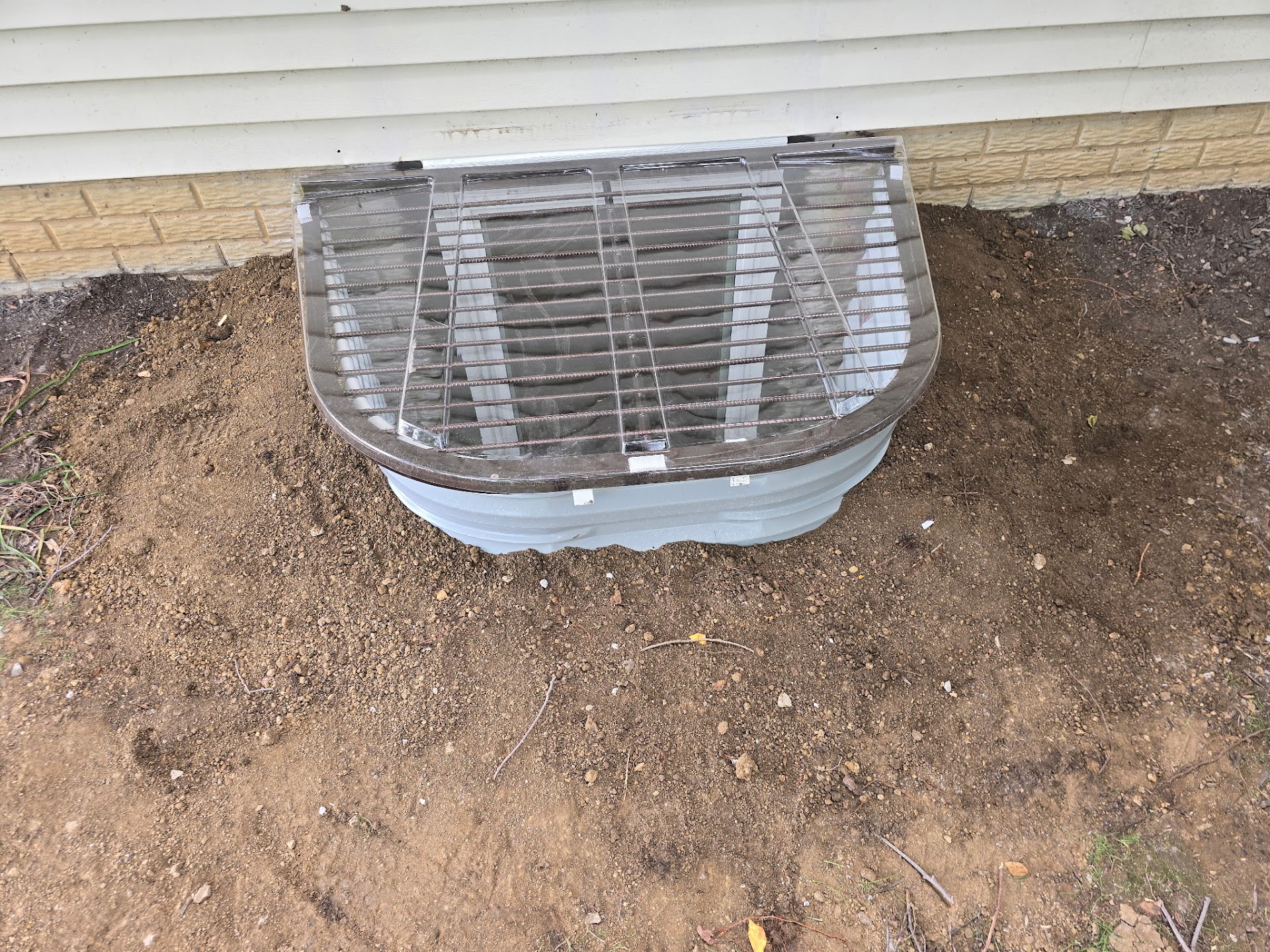
Well drains, gravel, covers, and — on egress windows — that your emergency exit still opens freely.
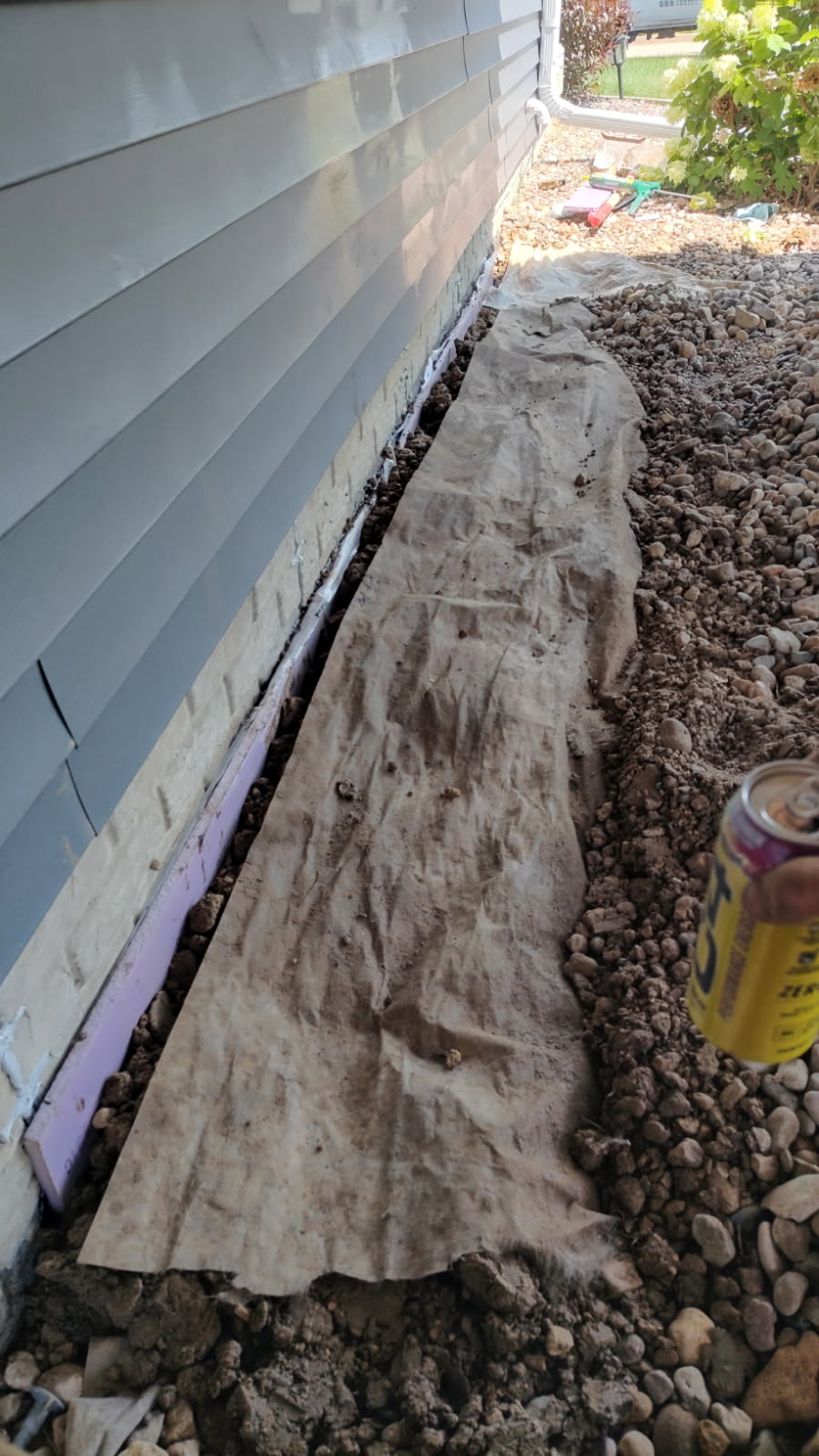
Soil slope, settlement against the foundation, downspout discharge — where most Quad Cities basement water actually starts.
Meter readings on suspicious spots, recorded with locations — so “a little damp” becomes a number we can compare next year.
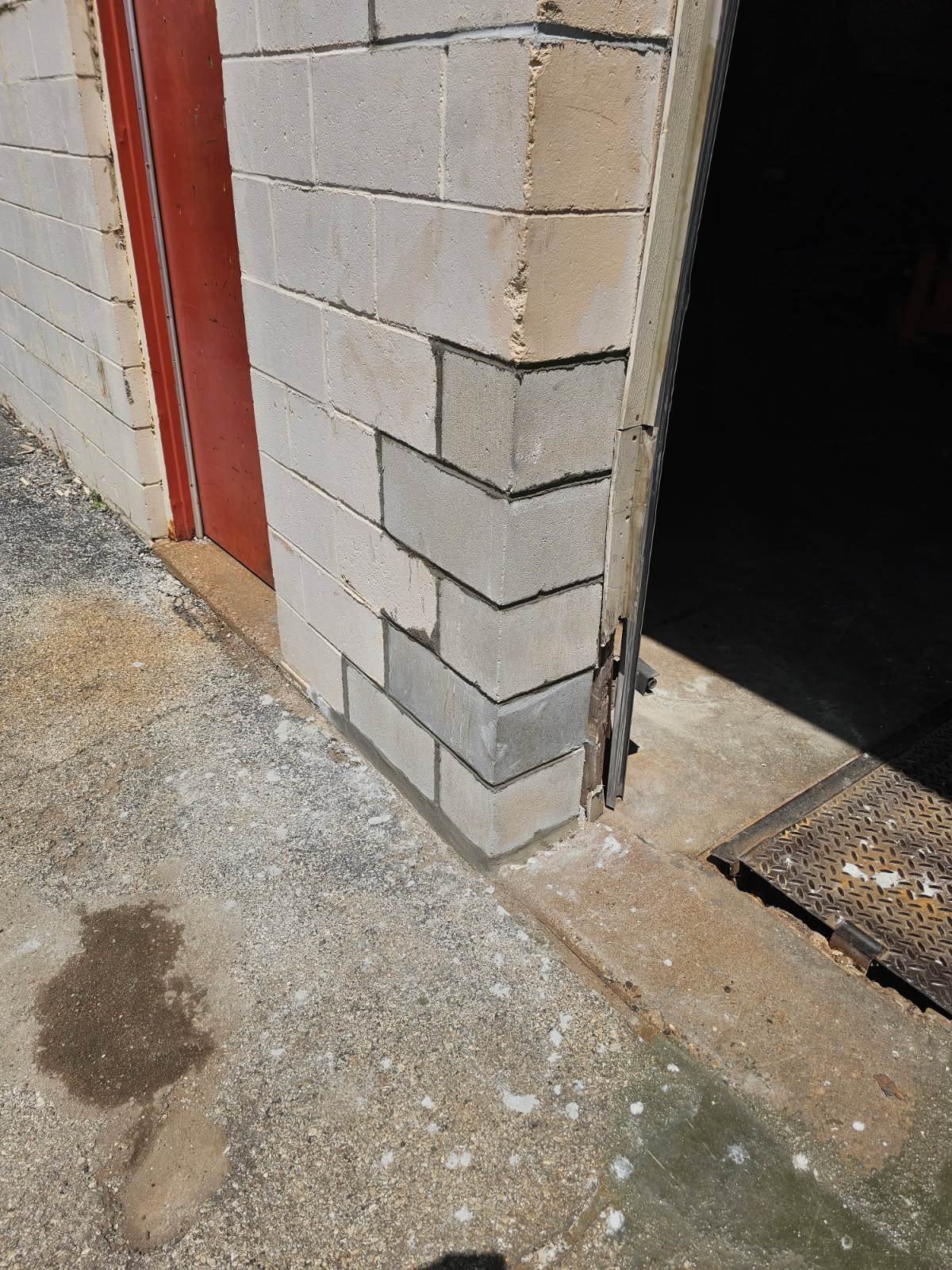
Mortar joints, block and brick condition, chimney base where visible.
Each system gets one of five ratings — the same scale, every home, every year (see below).
Plain language, photos in hand, before we leave. What’s fine, what we’re watching, and why — no scare stories, ever.
Ready to put your basement on the record?
Schedule My Annual CheckupHow we rate what we find
Five ratings, the same ones every year, so your record reads consistently from visit to visit. A condition moving from one level to the next is exactly the kind of change this program exists to catch.
No action recommended.
Observe over time. Nothing to do today.
Minor preventive maintenance recommended.
Corrective work recommended.
Prompt evaluation or repair recommended.
Notice what MONITOR means: watching a small issue is often the right call — but only when there’s a documented baseline to watch it against. That’s the difference between waiting with confidence and just hoping. And when we say GOOD, it goes in writing: “no changes observed” and “no repair recommended” are two of the most common lines in our reports — on purpose.
Annual Checkup vs. one-time Foundation Inspection
We offer both, and they solve different problems. If you’re buying, selling, or a lender needs a written structural opinion, you want our Foundation Inspection. If you live in your home and want it looked after, you’re on the right page.
| Annual Checkup (this page) | Foundation Inspection | |
|---|---|---|
| Built for | Homeowners who live in the house and want it looked after | Buyers, sellers, and lenders during a transaction |
| Happens | Every year, on a schedule | Once, when you need it |
| The point | Catch change early by comparing against your own record | A documented structural opinion of conditions that day |
| You receive | Photos, condition ratings, maintenance notes, areas to monitor — added to a growing Foundation Record | A written one-time inspection report |
| Price | $189 · $149/yr existing customers | Priced per inspection — see the inspections page |
What you receive after every checkup
Within two business days of the visit, your Behncke Foundation Record gets its yearly update — and you get a copy of all of it:
This year’s photos of your walls, sump, wells, and documented conditions — shot from the same angles as last year, kept side by side.
Every system we inspected, rated on the five-level scale, in plain English.
Only if something actually needs attention. Many summaries confirm everything is doing its job.
What we’re watching, why, and what kind of change would matter — carried forward to next year’s visit.
A suggested checkup date about twelve months out, so the comparisons stay meaningful. We’ll remind you.
“I think it got bigger” is not a plan
Every foundation contractor hears the same sentence: “I think that crack has gotten bigger, but I honestly can’t remember.” Nobody can — cracks change too slowly for memory. So homeowners end up making real-money decisions from worry instead of evidence, and that’s exactly the situation a high-pressure salesman loves to walk into.
A documented record flips that. When a crack is photographed with a scale reference, measured, and marked with a dated line, next year’s question has an actual answer: it moved this much, or it didn’t move at all. If it’s stable, you’ve spent $189 to not spend thousands on a repair you didn’t need. If it’s moving, you caught it while the fix is still the small version. Either way, the decision is yours, made on evidence we can both point to.
Want to understand cracks in the meantime? Start with which foundation cracks are serious — and if one already worries you, don’t wait for an annual visit.
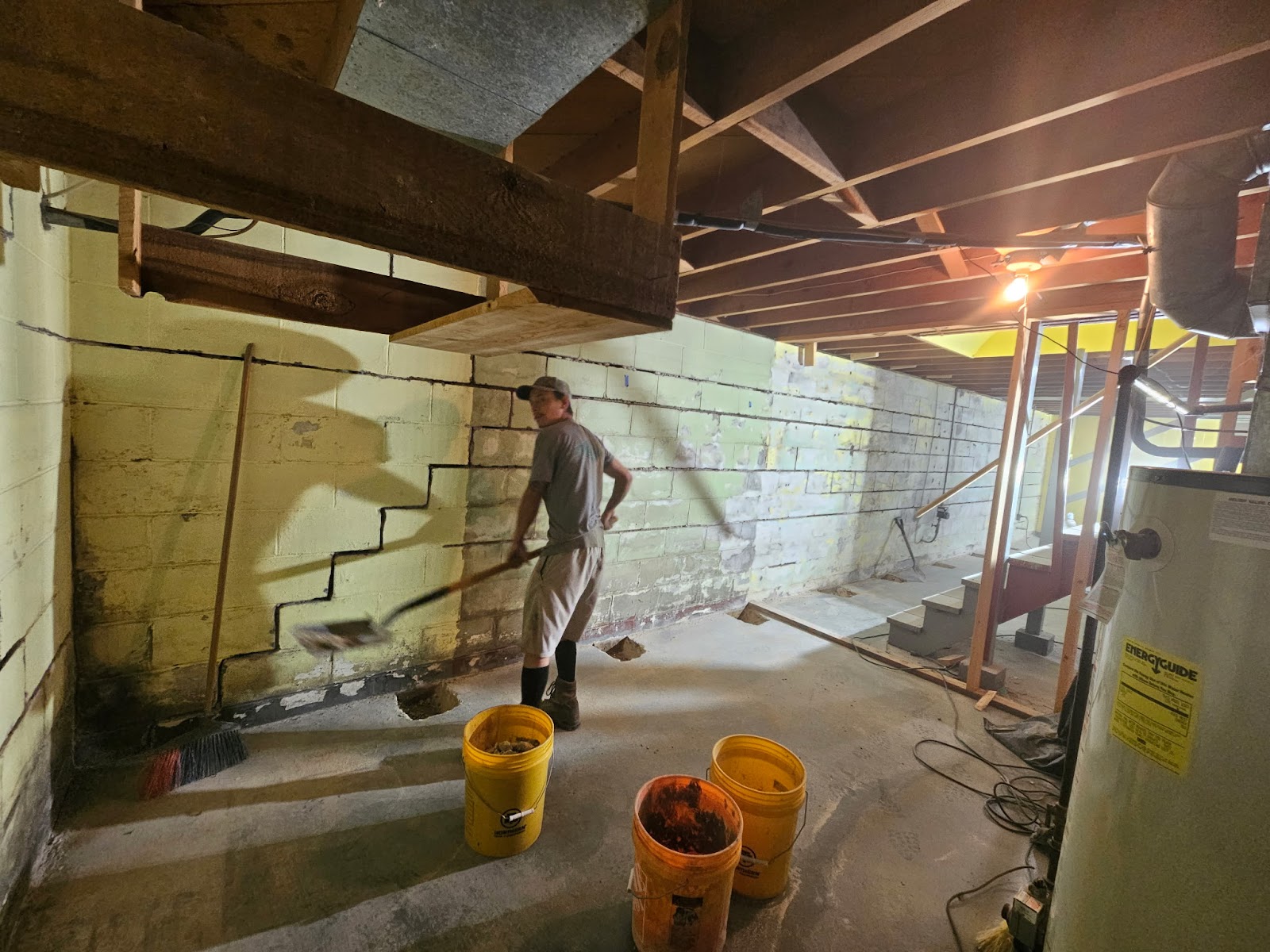
This is not a sales appointment in disguise
Behncke Construction has operated without commissioned salespeople since 1948. The person in your basement is a working contractor whose job is to document what’s true — and some of the most valuable lines we write cost you nothing:
“No repair is necessary.”
“This condition hasn’t changed since last year’s visit.”
We’d rather tell you your basement is fine and see you next August than invent a reason to sell you something. When we do find something real, you get a straight explanation, a photo you can see for yourself, a condition rating, and options — on your timeline, not ours. If it needs an estimate, our estimator follows up separately. If it needs an independent structural engineer, we’ll say exactly that and help you arrange it.
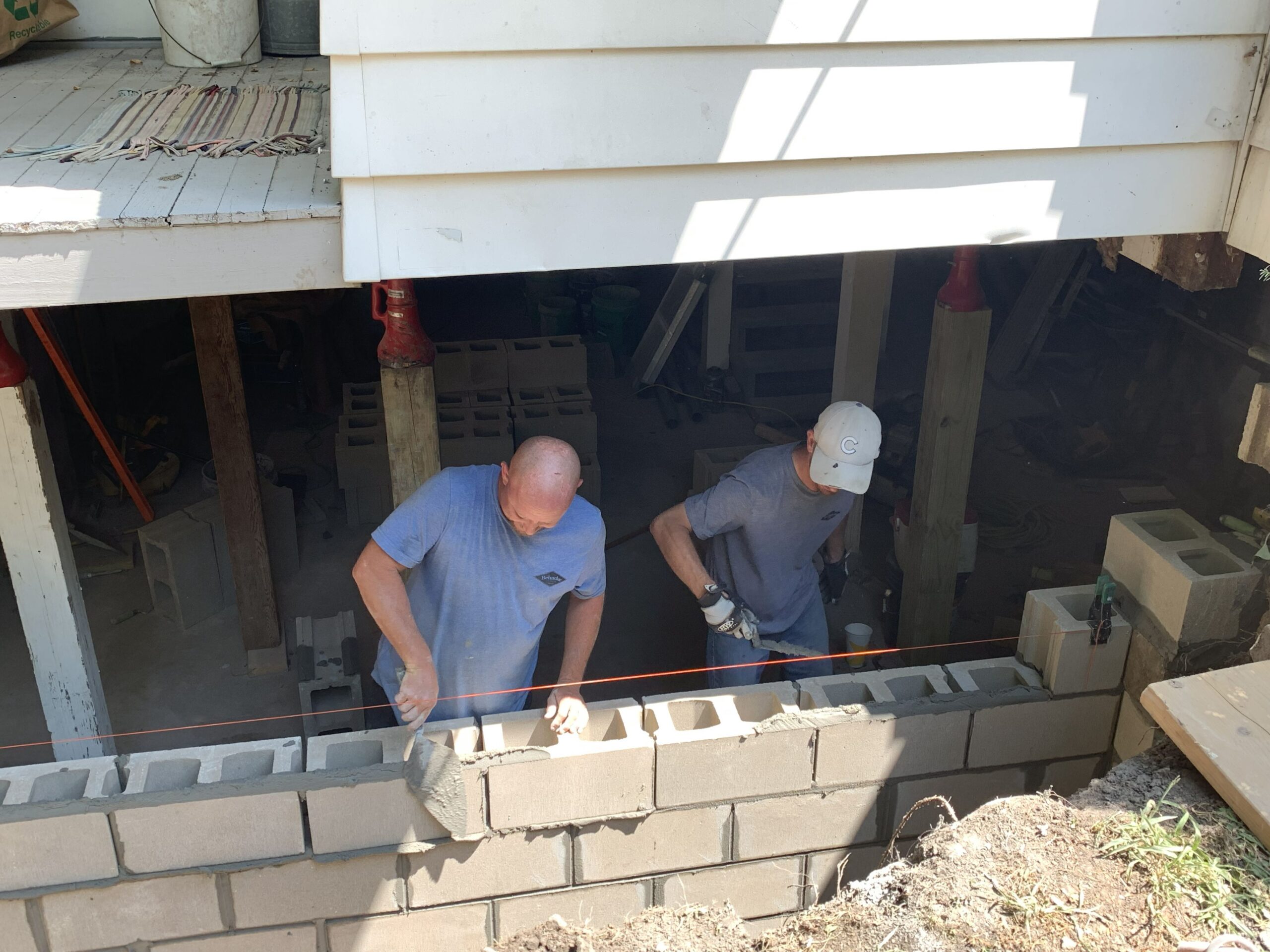
One visit a year. One honest price.
Standard Annual Checkup
The full 13-point checkup, photos, condition ratings, and your written summary — your Behncke Foundation Record, started.
Existing Behncke Customers
If we’ve done work for you before, your annual checkup is discounted — a thank-you for trusting us with your home.
On qualifying larger foundation or waterproofing projects, Behncke may include the first annual checkup or offer an ongoing maintenance plan — ask your estimator whether your project qualifies.
Drain Tile Camera Inspection
The standard checkup covers everything we can see and test. One thing no visual inspection can reach is the inside of your interior drain tile — the pipe under the slab that quietly keeps your basement dry. For homeowners who want that half of the picture too, we offer an inspection of accessible interior drain tile using a professional inspection camera.
What the camera can identify
Standing water, sediment buildup, debris, root intrusion where applicable, pipe offsets or damage, obstructions, and flow observations when conditions allow. You get representative photos or video stills, and the written findings are filed in your Behncke Foundation Record alongside your checkup documentation — comparable year over year, like everything else in the record.
What it can’t do
The camera cannot inspect every foot of every drain tile system — access points, layout, and the condition of the line limit how far it can travel, and it cannot see past a blockage. We’ll always tell you what we could and couldn’t reach. And sometimes the honest finding is that the line looks clear — documented proof your system is working, which can protect you from drain tile work you don’t need.
When it’s typically worth adding
- Older homes with drain tile of unknown age or condition
- Recurring seepage a visual checkup hasn’t fully explained
- After major storms or a season of heavy water
- Before purchasing a home
- No records of the drain tile’s history
- Homeowners who want maximum documentation
If none of these apply to your home, we’ll tell you the standard checkup is enough — we recommend the camera when there’s a reason to look, not to grow the invoice.
Learn More About the Camera Inspection Pricing is being finalized after field testing — ask when you schedule.
Frequently asked questions
How often should my basement and foundation be inspected?
Once a year is the right rhythm for most Quad Cities homes. It matches the seasonal cycle that drives most basement and foundation change here — spring rain, summer dry-out, and winter freeze-thaw — so each visit captures how your home came through a full year. Homes with a finished basement, a history of water, or previously repaired areas benefit the most from staying on an annual schedule.
How often should a sump pump be tested?
We recommend testing your sump pump a few times a year — and especially before spring, when it works hardest. During the annual checkup we test the pump and float, check the pit, check valve, and discharge line, and test the battery backup if you have one. You can read more on our Sump Pump Maintenance & Annual Inspection page.
What happens during an annual basement inspection?
We test your sump and discharge system, walk your foundation walls and cove joint, look for new cracks or movement, re-photograph and re-measure anything we’ve documented before, check your windows and window wells, and evaluate the grading and downspouts outside. You get photos, a condition rating for anything noteworthy, and clear recommendations — all added to your Behncke Foundation Record.
Can you tell whether a foundation crack is getting worse?
That’s exactly what annual documentation is for. Once we’ve photographed and measured a crack, each later visit is a direct comparison. If a crack hasn’t moved in three years, that’s genuinely good news you can rely on. If it has moved, we’ll show you by how much and when. For more on this, see Is That Foundation Crack Serious?
Do you inspect systems installed by another contractor?
Yes. We’ll inspect and test accessible sump pumps, waterproofing, drainage, and previous repairs regardless of who installed them. Part of the value of an outside checkup is a straight second look at work you didn’t do yourself.
Do I need an annual checkup if my basement has never leaked?
A dry basement is the best time to start a Behncke Foundation Record. The whole point of documenting a healthy basement is that you establish a baseline while everything looks good — so if anything ever begins to change, you’ll catch it early instead of discovering it during the next heavy storm.
Does the annual checkup include repairs?
No — the checkup is an inspection and documentation visit, not a repair visit. If we find something that needs work, we’ll explain it, rate it, and give you a recommendation. Any repair is separate work you decide on at your own pace. Minor maintenance may sometimes be handled during the visit; we’ll always tell you first.
What happens if you find a problem?
You’ll get a plain explanation of what we found, a photo, a condition rating, and an honest recommendation — including whether it’s something to simply monitor next year. There’s no pressure. Because the same team keeps your record, we can also tell you whether it’s new or something we’ve been watching.
Is this a structural engineering inspection?
No. The Annual Basement & Foundation Checkup is a visual and functional maintenance inspection of accessible components performed by experienced foundation contractors. It is not a structural engineering inspection, a home inspection, or a code inspection. If your situation calls for a stamped engineer’s report, we’ll tell you.
How much does the annual basement and foundation checkup cost?
The standard Annual Basement & Foundation Checkup is $189. Existing Behncke Construction customers pay $149 per year. On qualifying larger foundation or waterproofing projects, we may include the first checkup or offer it as an optional maintenance plan — just ask your estimator.
Related basement & foundation services
Start your Behncke Foundation Record
Tell us a little about your home and we’ll call to set up your checkup — or skip the form and call/text 563-332-6045. Serving Davenport, Bettendorf, Moline, Rock Island, Muscatine, LeClaire, Eldridge, and Blue Grass.
The Annual Basement & Foundation Checkup is a visual and functional maintenance inspection of accessible components, documented and compared year over year. It is not an engineering inspection, a home inspection, or a code inspection, and it is not a warranty or guarantee against future water intrusion or structural movement. Some components may not be accessible on every home; we inspect what can be safely reached and report what we observe.