When Sealcoating Won’t Help
Sealcoating is maintenance, not a repair. Here’s how to tell when a seal will protect your asphalt — and when it’s just hiding a bigger problem.
Get a free estimateWe’ll be straight with you: sealcoating is a protective coat, not a repair. On sound asphalt it buys years of life. On asphalt that’s already failing, a fresh black coat just hides the problem for a few weeks while it keeps getting worse underneath. Knowing the difference saves you money.
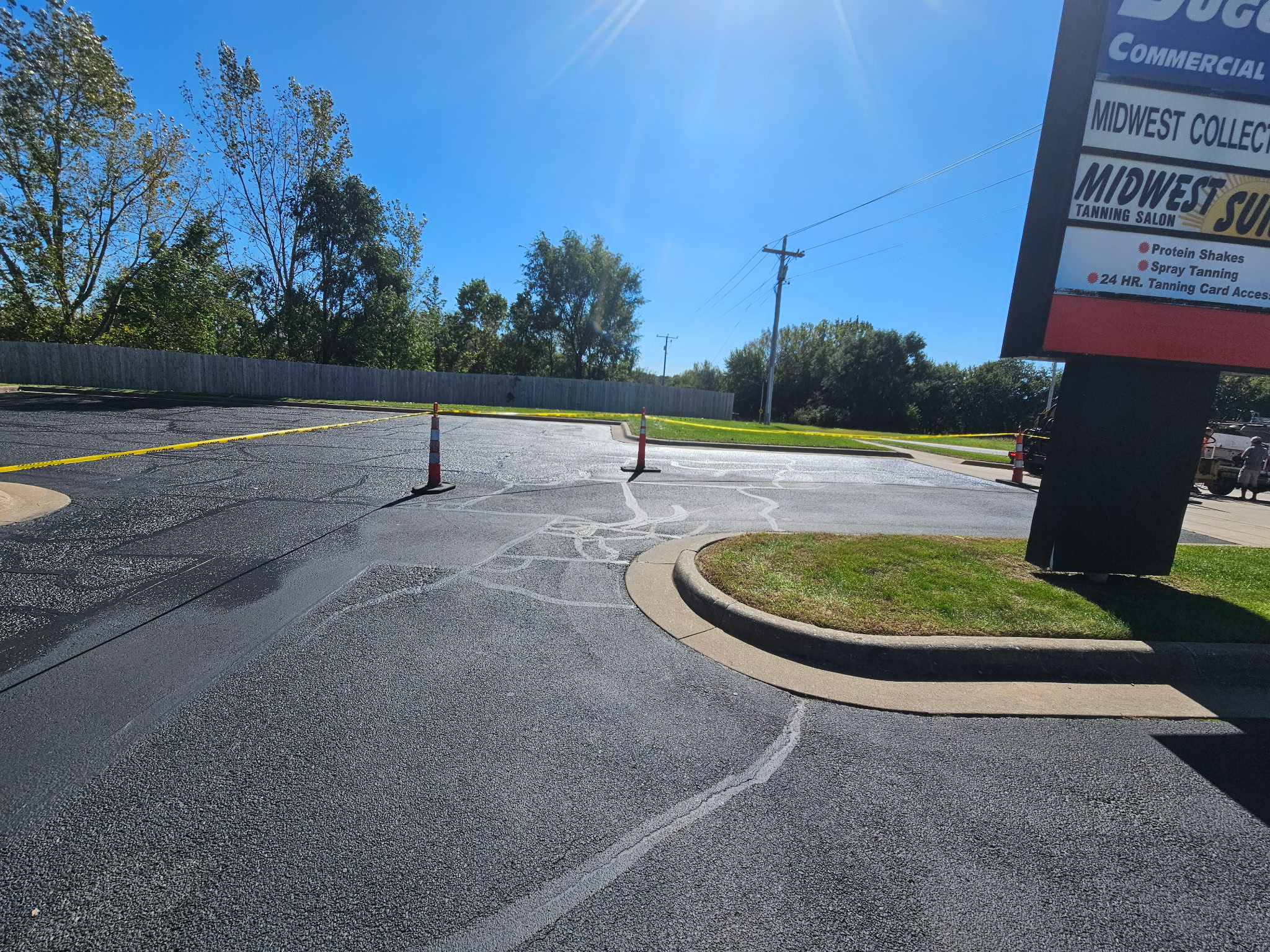
Seal sound asphalt — repair failed asphalt
Sealcoating protects a surface that’s still structurally sound. If the asphalt is cracking apart in a web, breaking into potholes, or sinking because the base beneath it has failed, no amount of sealer fixes that — those need repair or replacement first. Use the quick guide below to see where your pavement falls.
Seal it, fill it, or fix it?
Signs sealcoating is the wrong move
- Alligator cracking — a web of interconnected cracks means the base is flexing and failing; it needs patching, not sealing.
- Potholes — the surface and base have already broken through and must be repaired.
- Sinking or heaving areas — a drainage or base problem that sealer can’t touch.
- Crumbling, loose surface — asphalt that’s raveling apart won’t hold a coat.
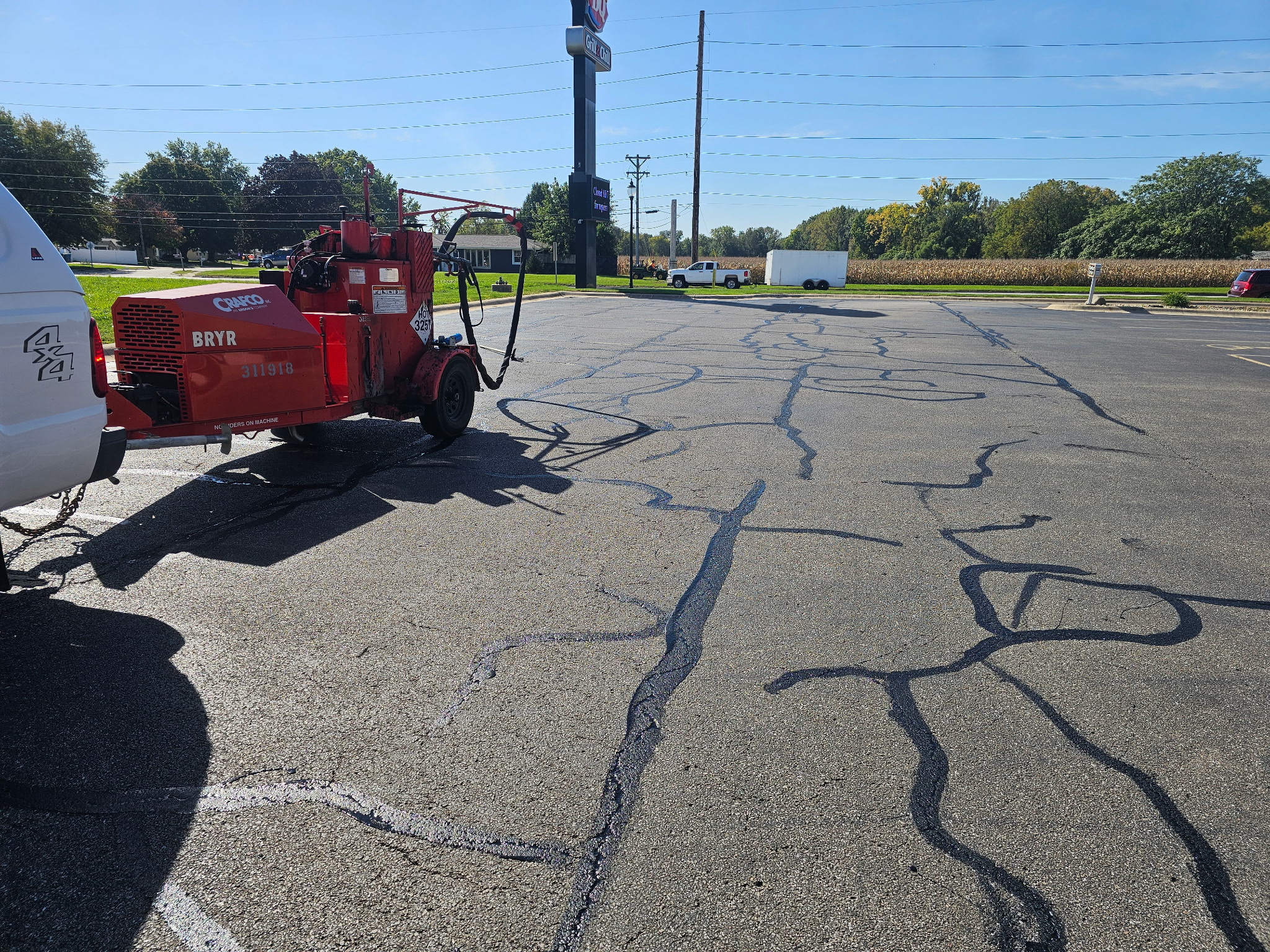
The right fix for failed asphalt
Where the damage is localized, a patch or a crack repair can bring the surface back so it’s worth sealing again. Where the base has failed across a larger area, the honest answer is replacement — and we’ll tell you that rather than sell you a seal that won’t last. Getting it right the first time is cheaper than coating over a problem twice.
Not sure if yours can still be sealed?
We’ll look at the real condition and tell you honestly — seal, patch, or replace. No upselling.
Get a free estimate →Common questions
Can you sealcoat over cracks?
Open cracks are filled first with a flexible crack sealant, then the surface is sealed over the top. Sealer alone won’t bridge a crack — water would get in and undo the work.
Will sealcoating fix potholes or alligator cracking?
No. Potholes and alligator cracking mean the surface and base have failed and need patching or replacement. Sealing over them hides the problem briefly but doesn’t repair it.
My driveway is crumbling — can sealcoating save it?
If the asphalt is raveling apart, it won’t hold a coat well and sealing won’t stop the breakdown. That surface needs repair or replacement. We can assess how far gone it is.
How do I know if my asphalt is still worth sealing?
If it’s solid underfoot with only surface fading and minor cracks, it’s a good candidate. Widespread cracking, potholes, or sinking areas mean it needs repair first. A quick look tells us which.