
Why Concrete Cracks (and Which Cracks Matter)
Almost all concrete cracks eventually — the question is which cracks are harmless and which point to a real problem. Here’s how to tell.
Get a free estimateHere’s the truth every honest concrete contractor will tell you: concrete cracks. It’s a stone-hard material that shrinks as it cures and moves with the ground underneath it. The goal isn’t zero cracks — it’s controlling where they happen and knowing which ones actually matter.
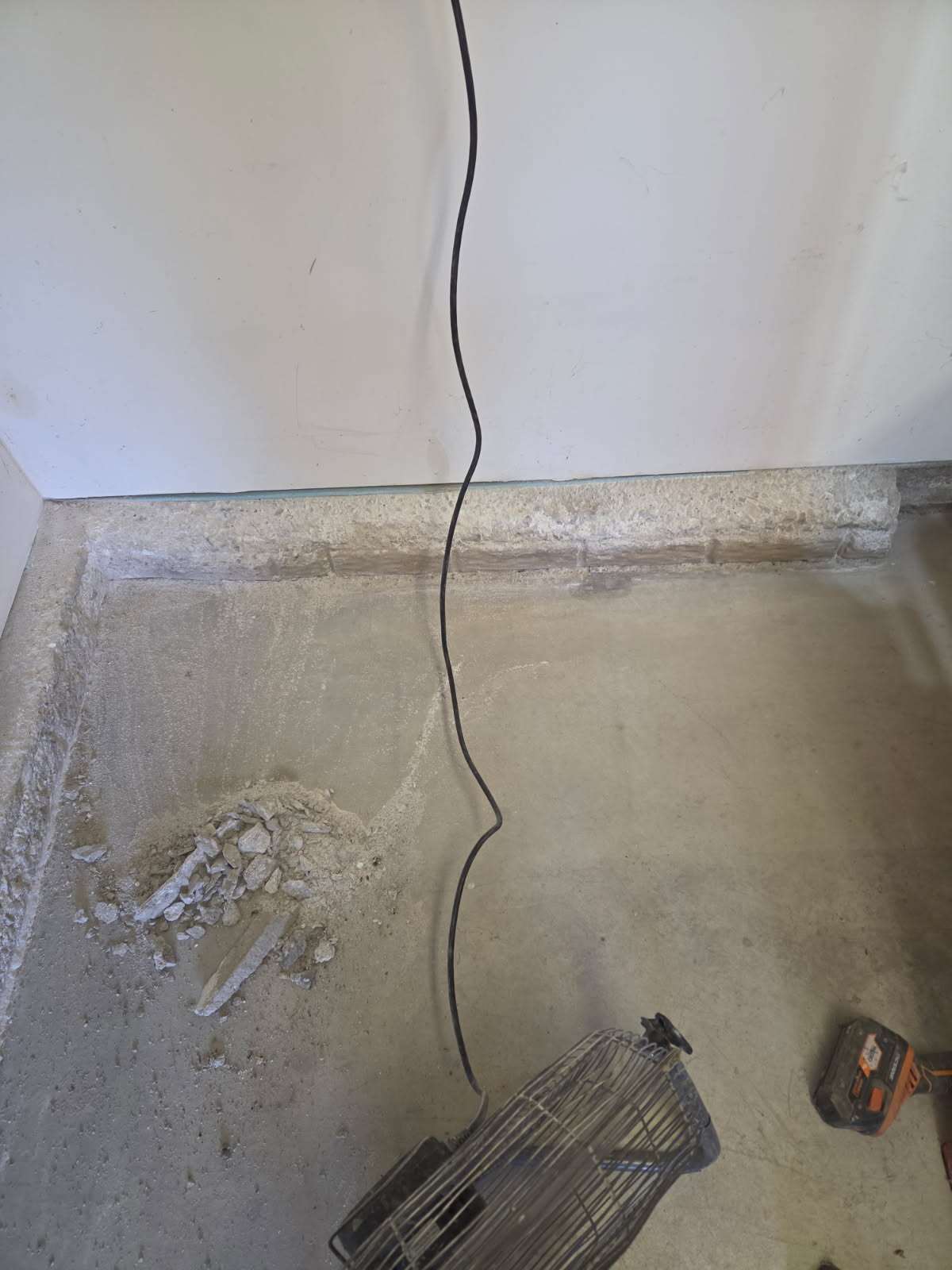
Most cracks are normal — a few aren’t
Fine hairline cracks from curing and clean cracks along control joints are normal and harmless. The ones to watch are wide, offset, or growing cracks — where one side sits higher than the other, or the gap keeps opening. Those mean the ground under the slab is moving, and that’s worth a look.
Three common kinds of concrete cracks
Shrinkage and control joints
As fresh concrete cures it shrinks slightly, and that tension shows up as fine surface cracks — cosmetic, not structural. To control them, we cut or tool control joints into the slab: planned grooves that give the concrete a weak line to crack along, out of sight, instead of randomly across the surface. A crack running neatly down a control joint is the system working as designed.
When the ground moves
The cracks that matter come from what’s under the slab. A base that wasn’t compacted, soil that washes out from poor drainage, or frost heave in winter can all lift or drop part of a slab — leaving a wide or offset crack. Those won’t fix themselves, because the cause is beneath the concrete. The fix starts with the base and drainage, not just the surface.
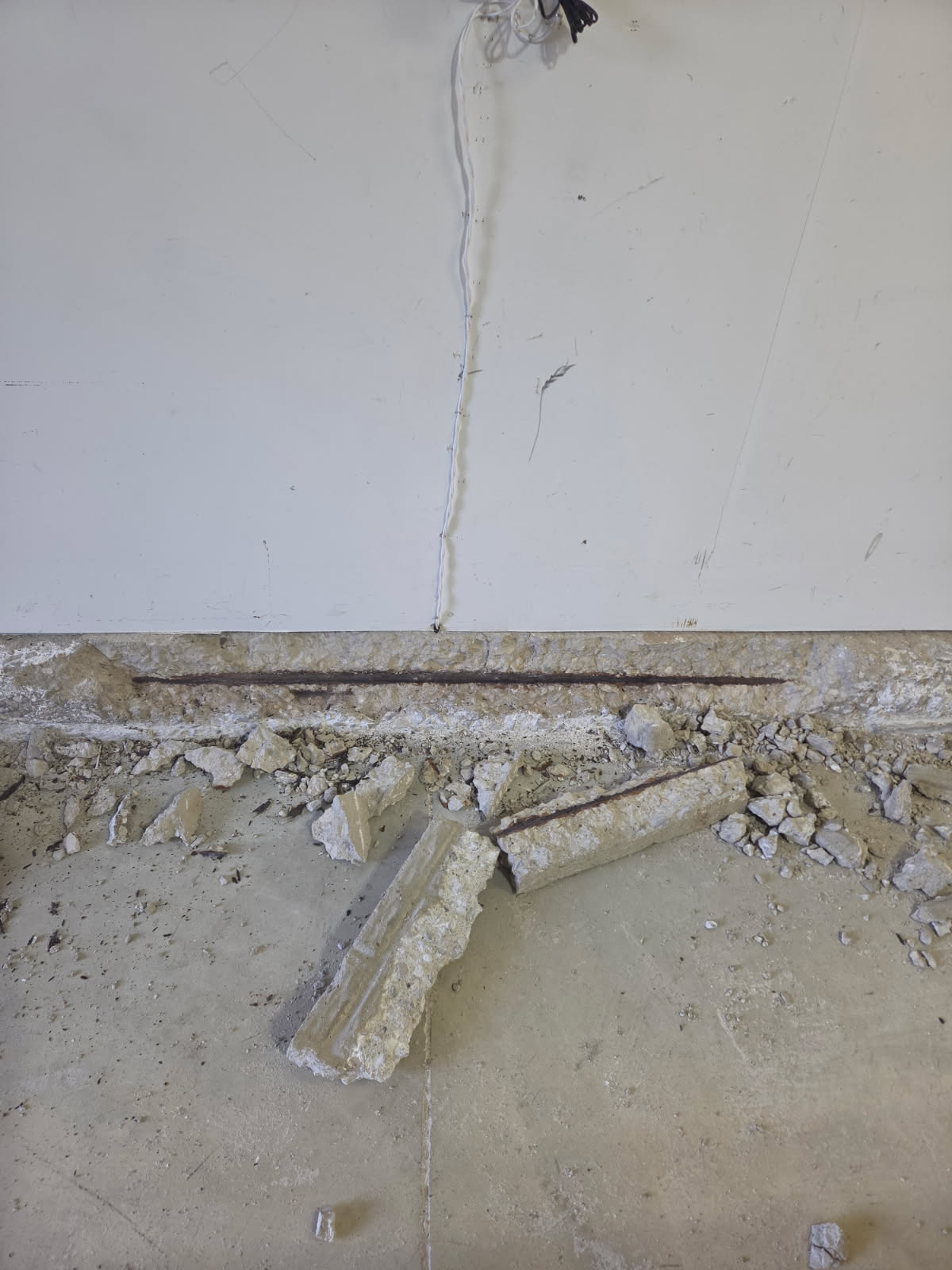
Worried about a crack in your concrete?
Send us a photo or have us take a look — we’ll tell you honestly whether it’s cosmetic or something to address.
Get a free estimate →Common questions
Are cracks in new concrete normal?
Fine hairline cracks from curing shrinkage are normal and appear in almost all concrete. Clean cracks along control joints are by design. Wide, offset, or growing cracks are the ones worth looking at.
What are those lines cut into my driveway?
Those are control joints — planned grooves that give concrete a weak line to crack along out of sight, instead of randomly across the slab. A crack following one is the joint doing its job.
When should I worry about a concrete crack?
When it’s wide enough to catch a coin, when one side is higher than the other, or when it keeps growing. Those point to movement in the base beneath the slab rather than simple curing.
Can a cracked slab be repaired, or does it need replacing?
It depends on the cause and extent. Surface cracks can often be sealed; slabs that have heaved or settled usually need the base addressed and the section replaced. We can tell you which you’re dealing with.