
A failing retaining wall was pushing into the brick support wall beneath a Davenport porch. Behncke Construction removed the damaged sections, installed drainage behind the retaining wall, rebuilt the wall section, and reconstructed the brick masonry support wall.
PROJECT SUMMARY
Date posted: September 5, 2026
Service: Retaining wall and masonry repair
Location: Davenport, Iowa
Problem: A failing retaining wall pushing into the brick support wall beneath the porch
Solution: Damaged brick support wall and failing retaining wall section removed; drainage installed behind the retaining wall; wall section rebuilt; brick masonry support wall reconstructed
Completion status: Completed
Project photos
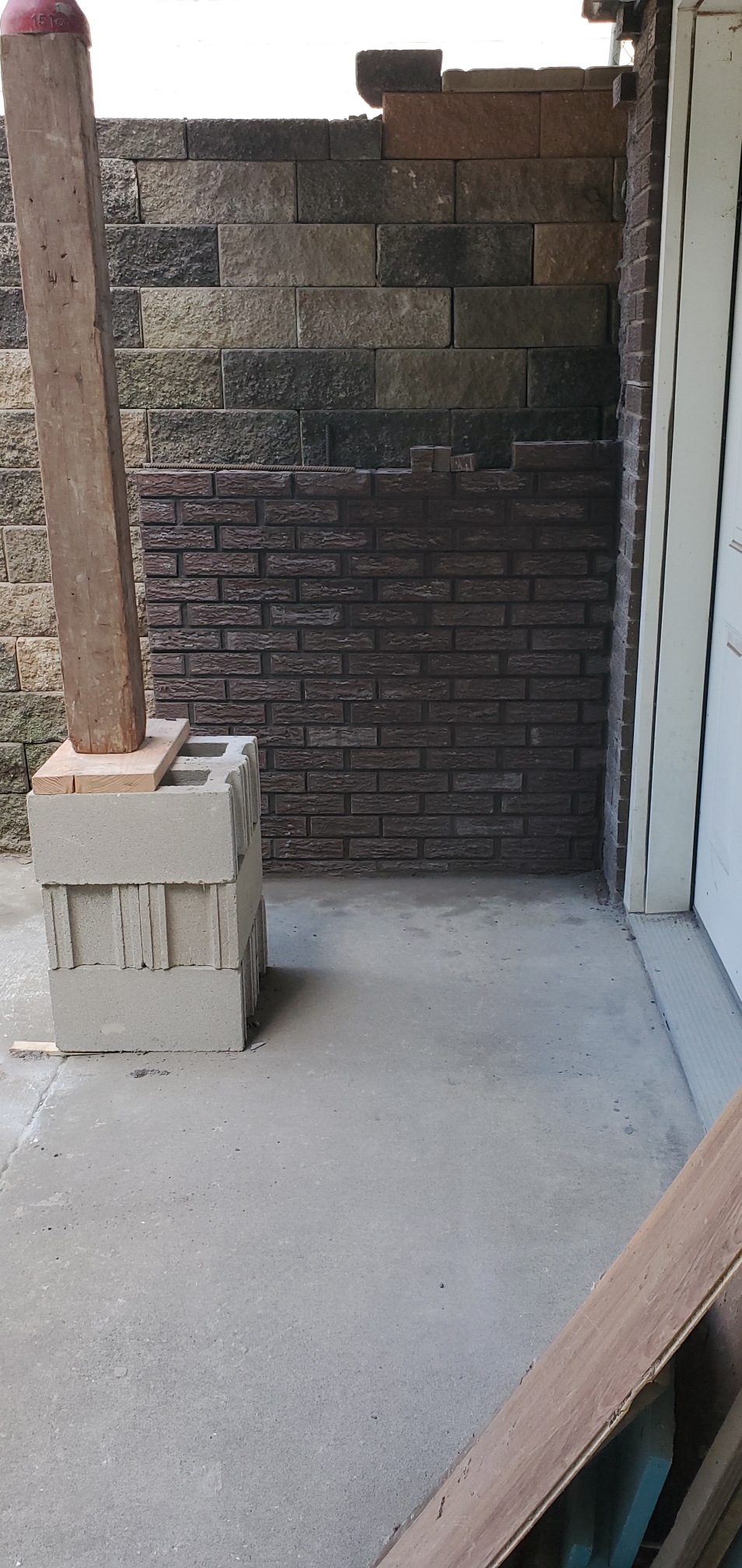
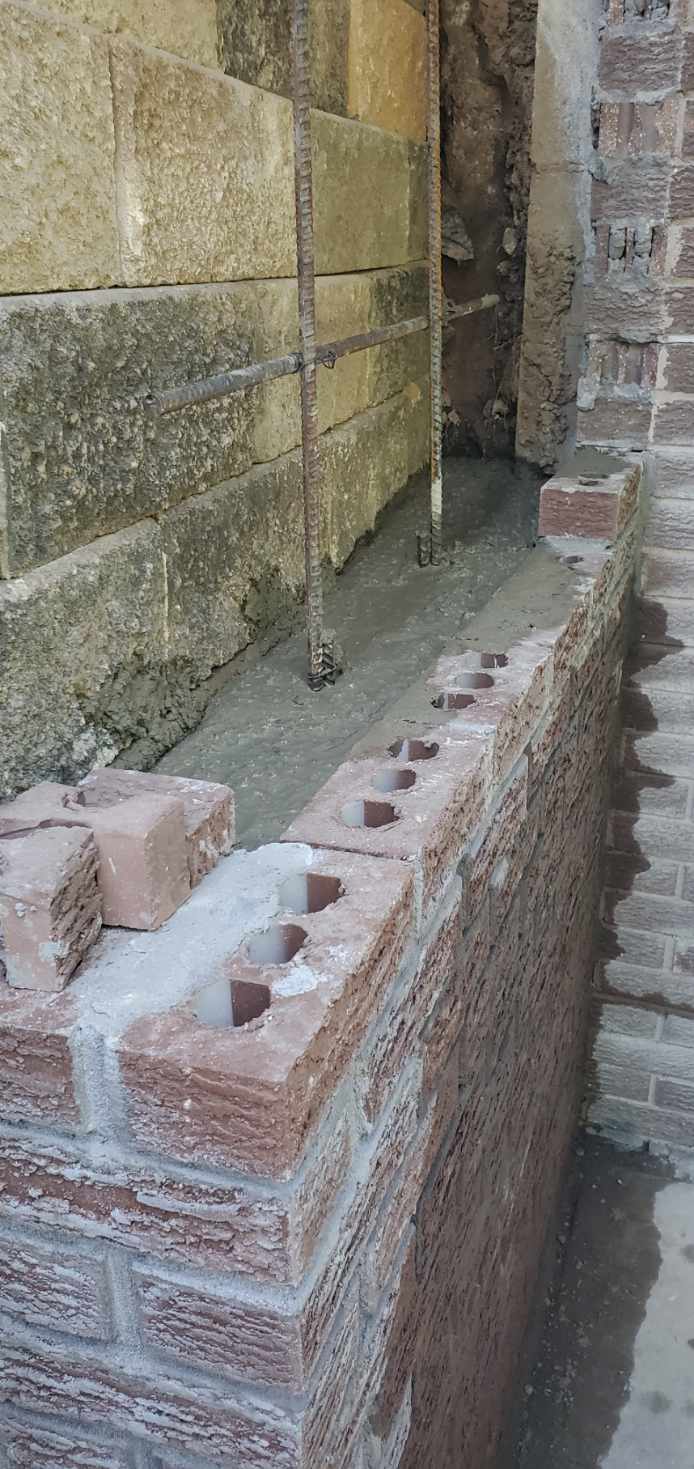
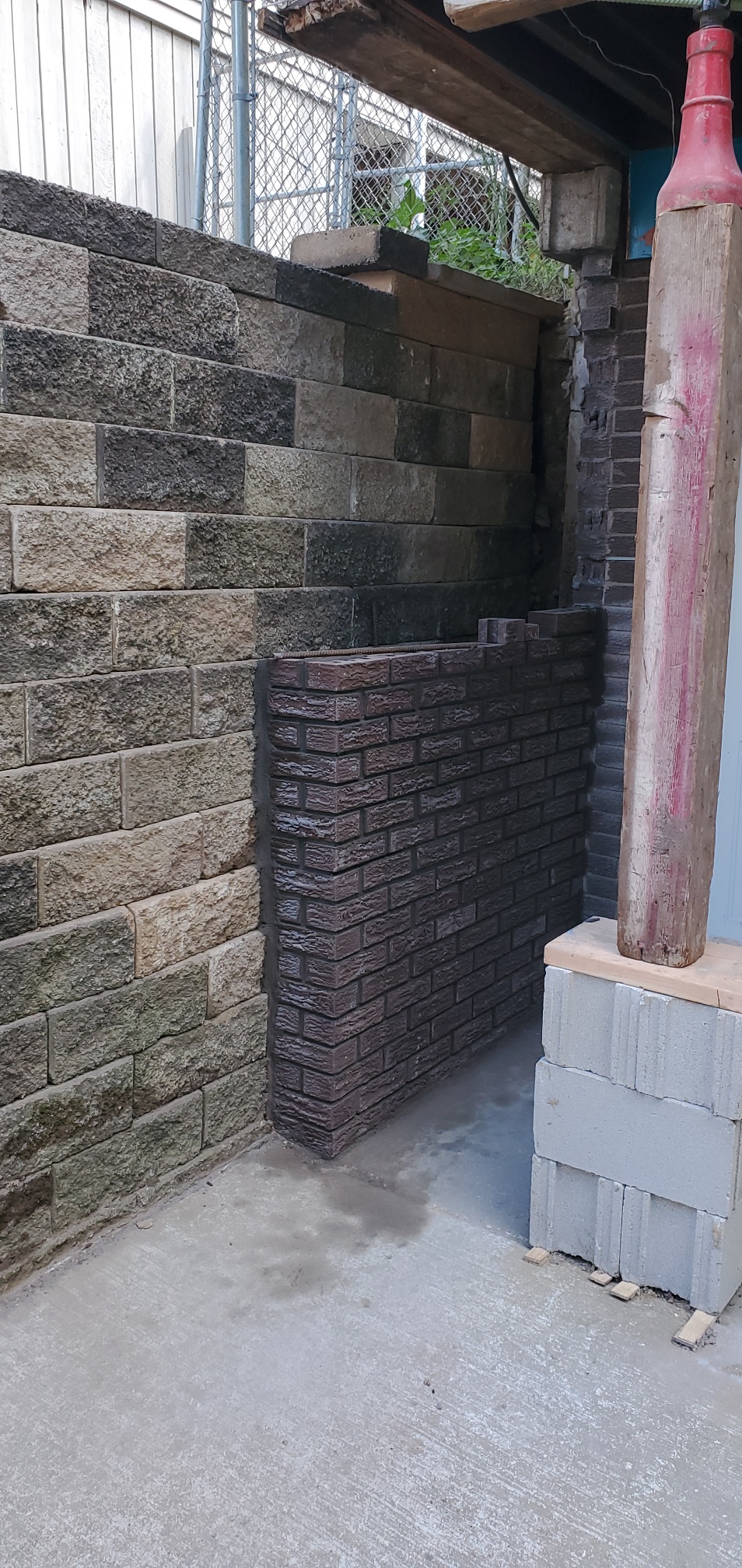
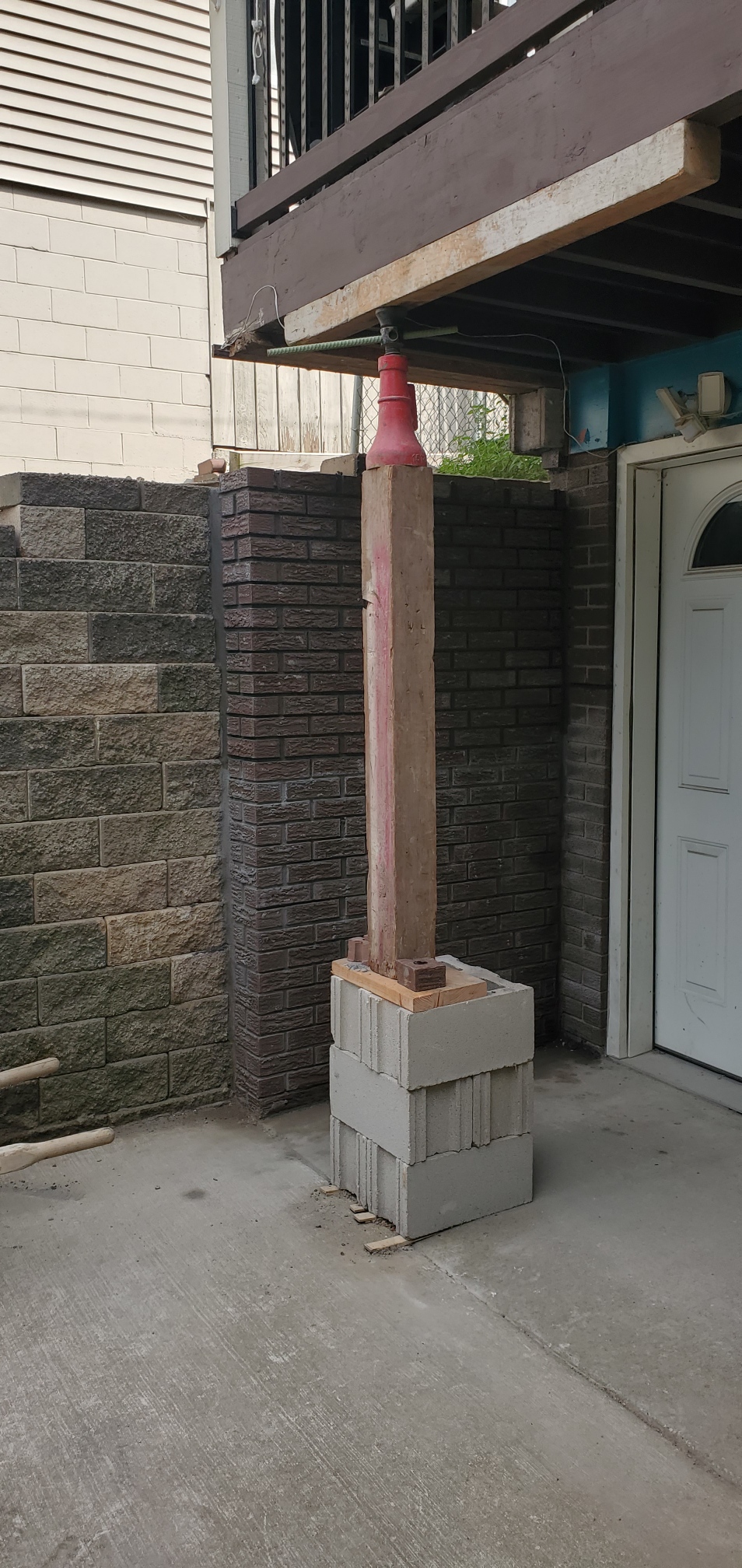
Project overview
Poor drainage can do serious damage to retaining walls and the masonry around them. On this Davenport, Iowa project, a failing retaining wall was pushing into the brick support wall beneath the customer’s porch.
Project details
The crew removed the damaged brick support wall and the failing section of the retaining wall. Before rebuilding, they installed proper drainage behind the retaining wall so water has somewhere to go other than into the wall.
The damaged retaining wall section was then rebuilt, and the brick masonry support wall under the porch was reconstructed.
The key was fixing the drainage problem, not just repairing the visible damage. Proper drainage relieves the water pressure that had been pushing the wall in the first place.
What homeowners should know
A retaining wall holds back soil, but what usually breaks it is water. Soil that is dry weighs one thing; the same soil saturated after a storm weighs considerably more and pushes harder, and water trapped behind a wall adds hydrostatic pressure on top of that. A wall built without a way for that water to escape is asked to carry a load it was never designed for, and it will lean, bulge, or shove whatever is in front of it, in this case a porch support wall.
That is why drainage behind a retaining wall is not optional. Gravel backfill, a drain line at the base, and weep holes or an outlet give water a path out, so the pressure never builds. When a wall is rebuilt without addressing the water, the new wall inherits the same problem.
Signs to watch for on any retaining wall include a lean that increases over time, bulging in the middle of the run, cracks in the masonry, and wet spots or staining at the face after rain. Masonry that is being pushed by a wall behind it, like a porch or step wall, will show cracked joints or displacement. Catching that early usually means repairing a section rather than rebuilding everything.
Photo highlights
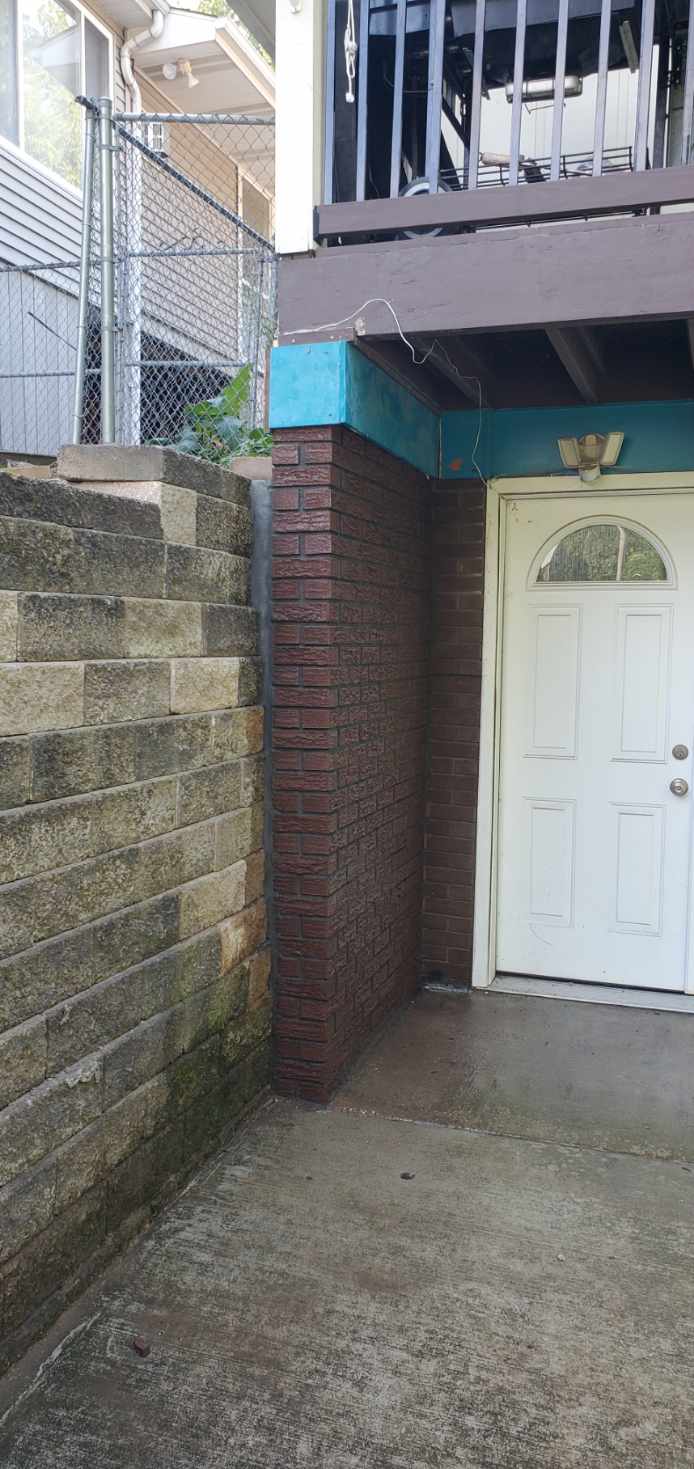
- The rebuilt brick support wall beside the door.
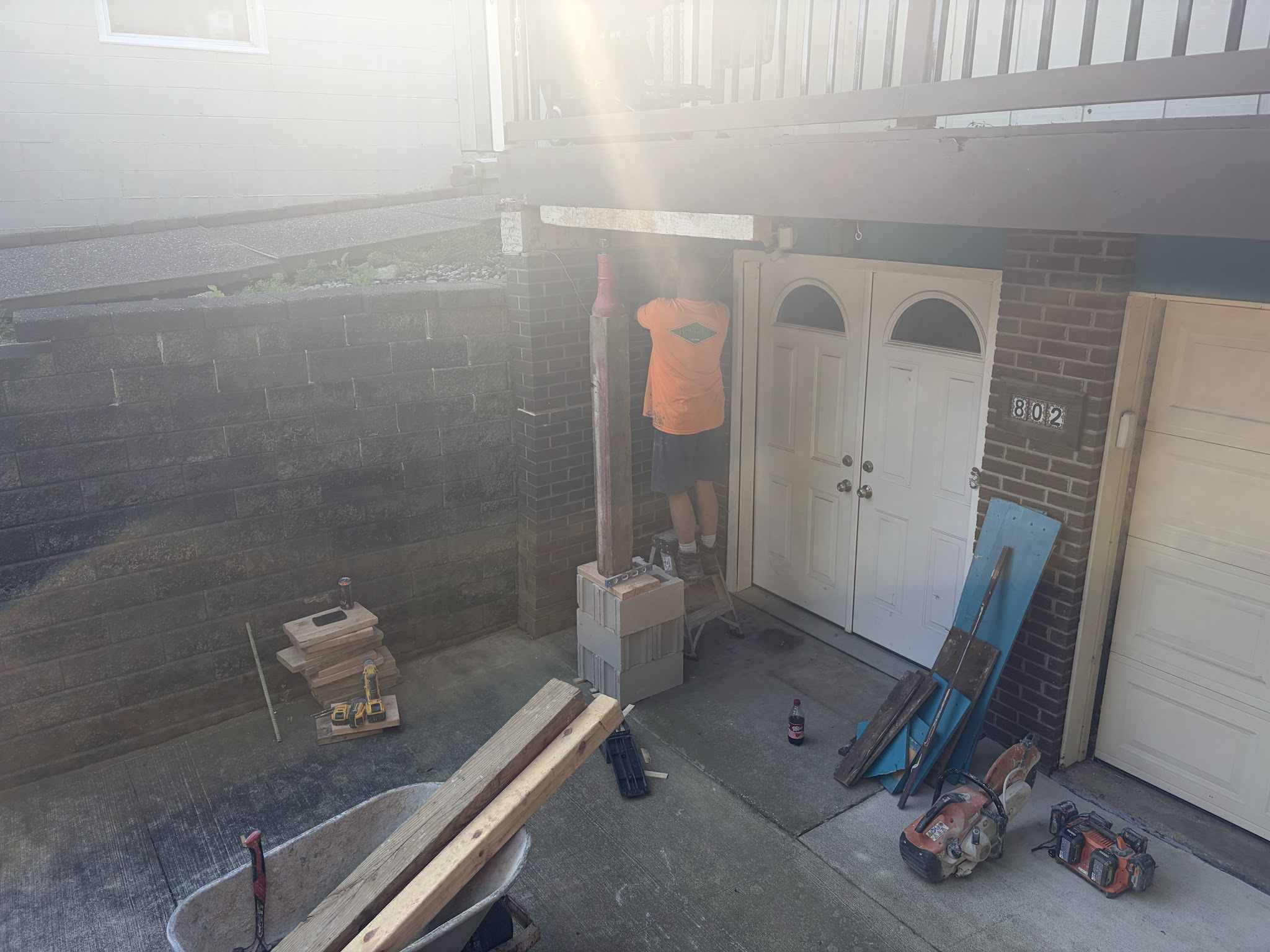
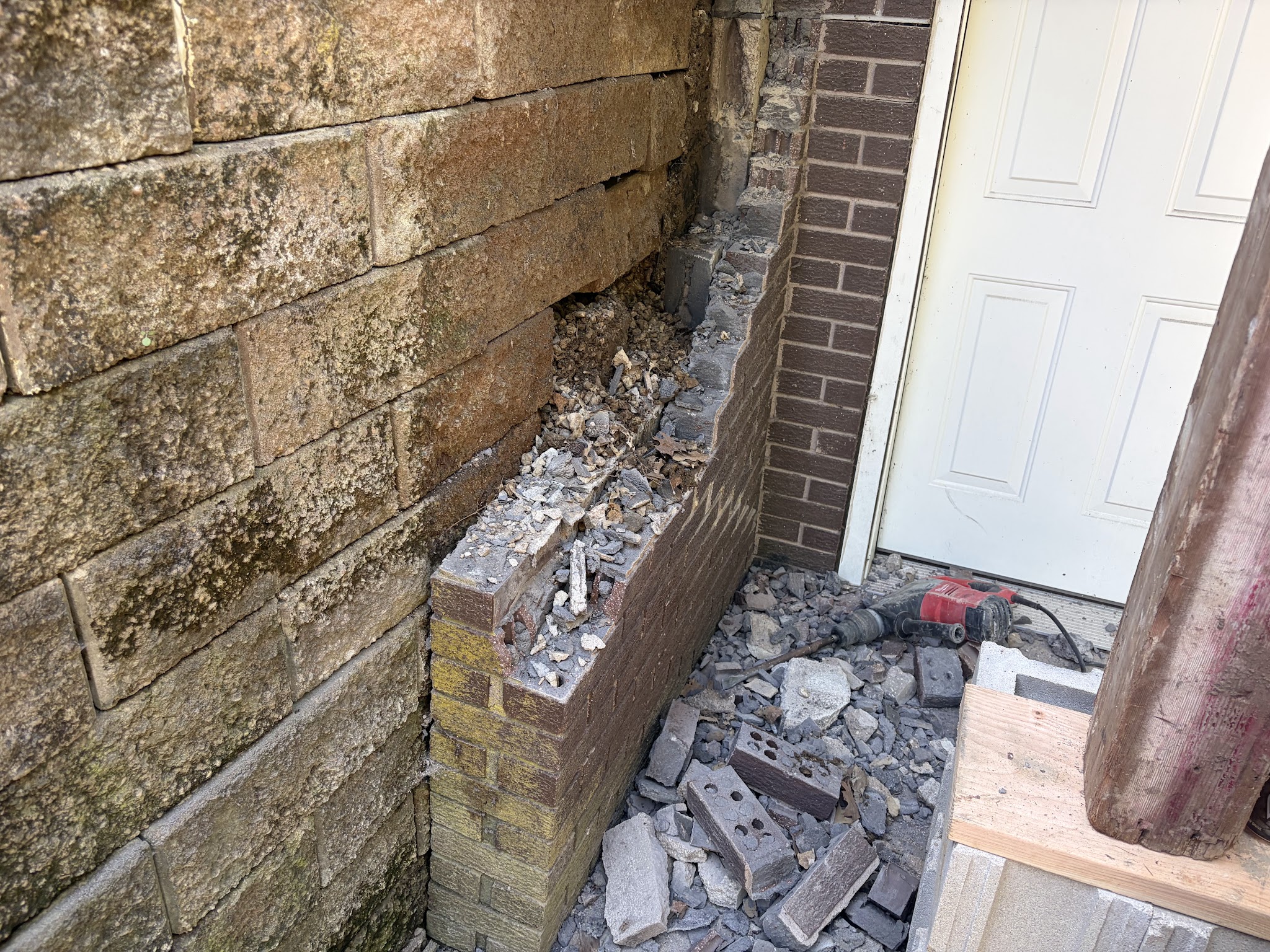
- The porch area during removal of the failed section.
- The brick support wall before repair, pushed by the retaining wall behind it.
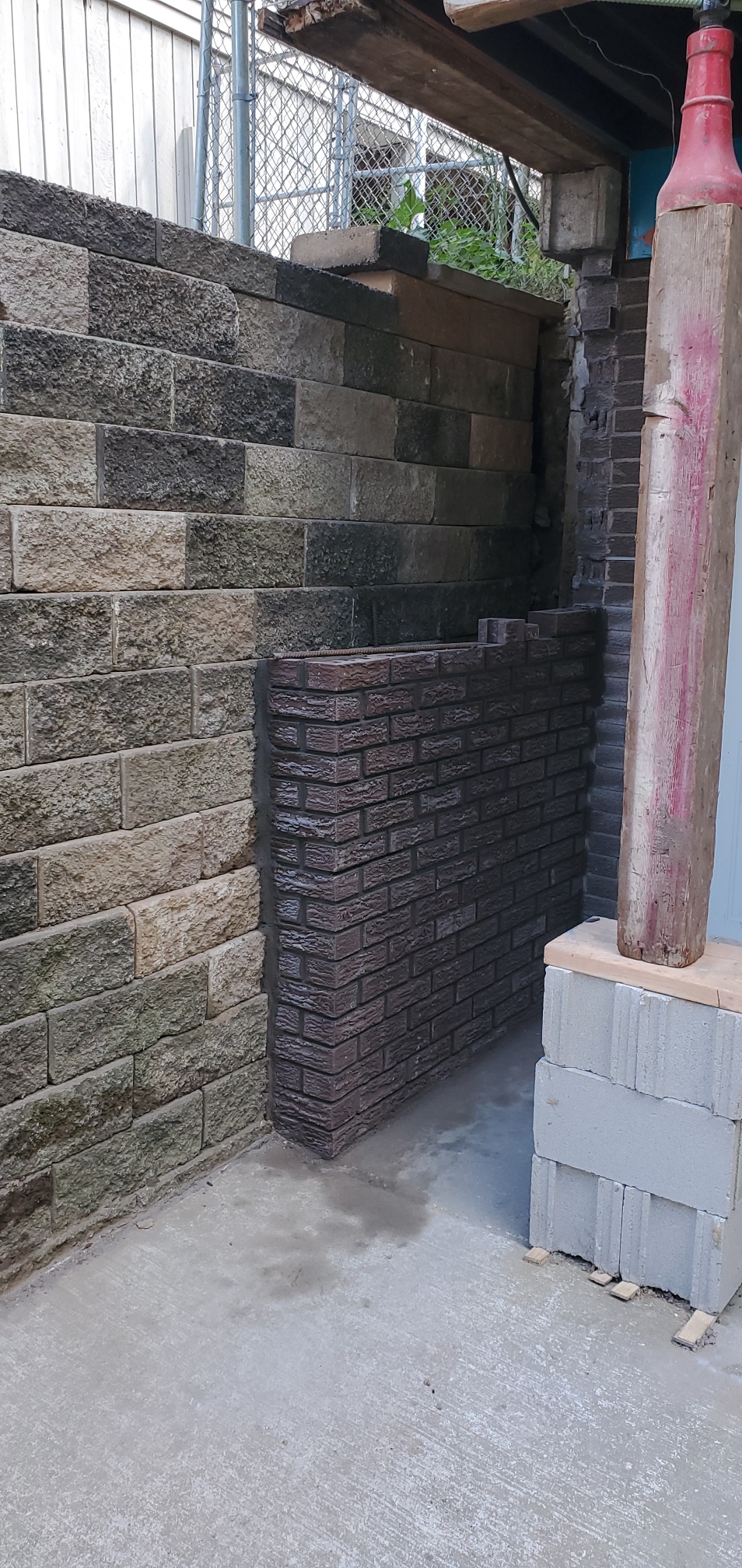
- New brick going up on a block base.
- The rebuilt wall with the porch post re-supported.
- The retaining wall section going back up.
- The rebuilt section tied into the existing wall.
- The finished corner at the porch.
Related services
- Retaining Walls
- Masonry Repair
- Hydrostatic Pressure
- Masonry and Foundation Work in Davenport
- More recent project updates
Retaining wall leaning or cracking?
Behncke Construction repairs retaining walls and the masonry they affect, and fixes the drainage that caused it. Contact us or call (563) 332-6045.