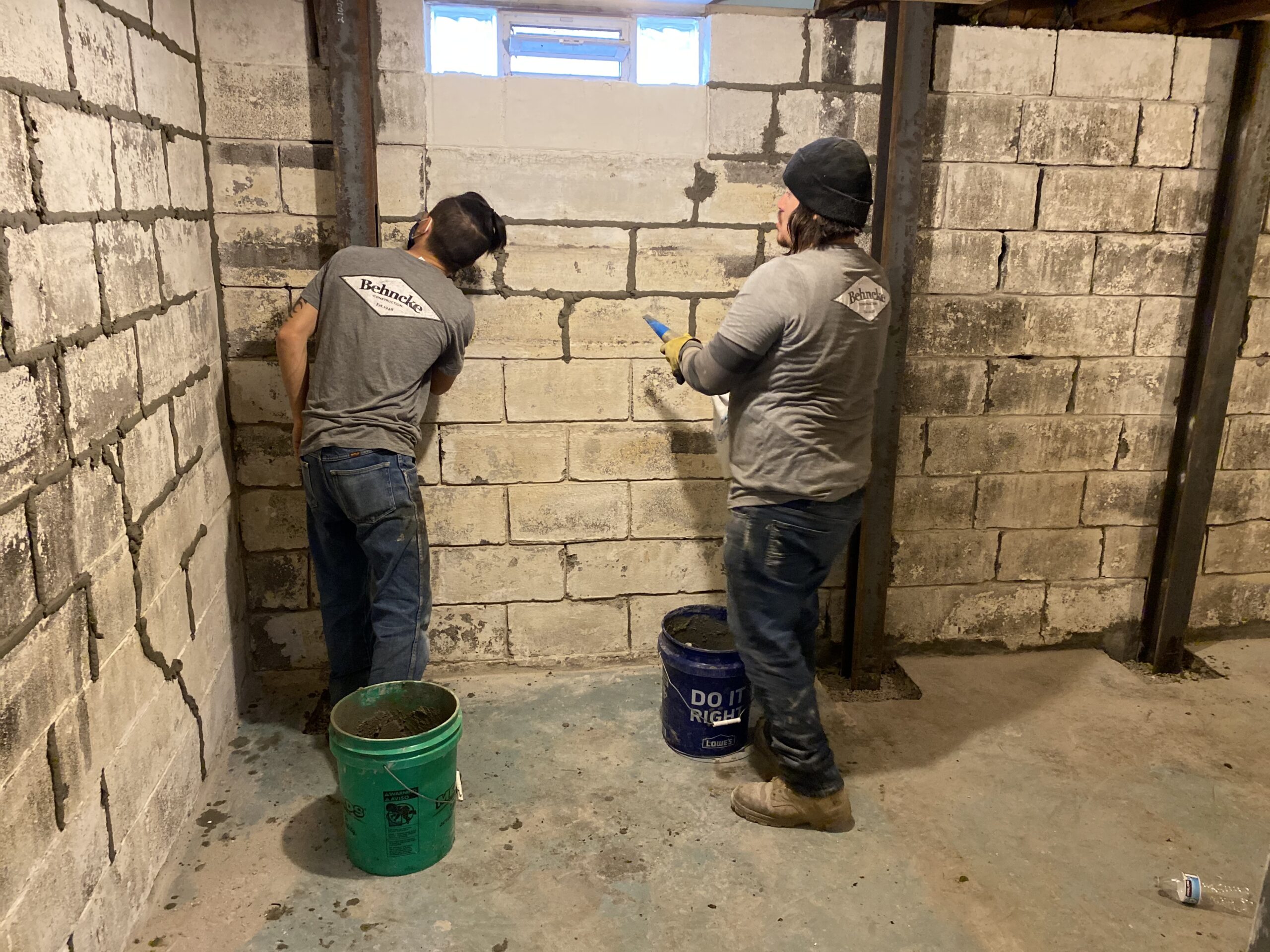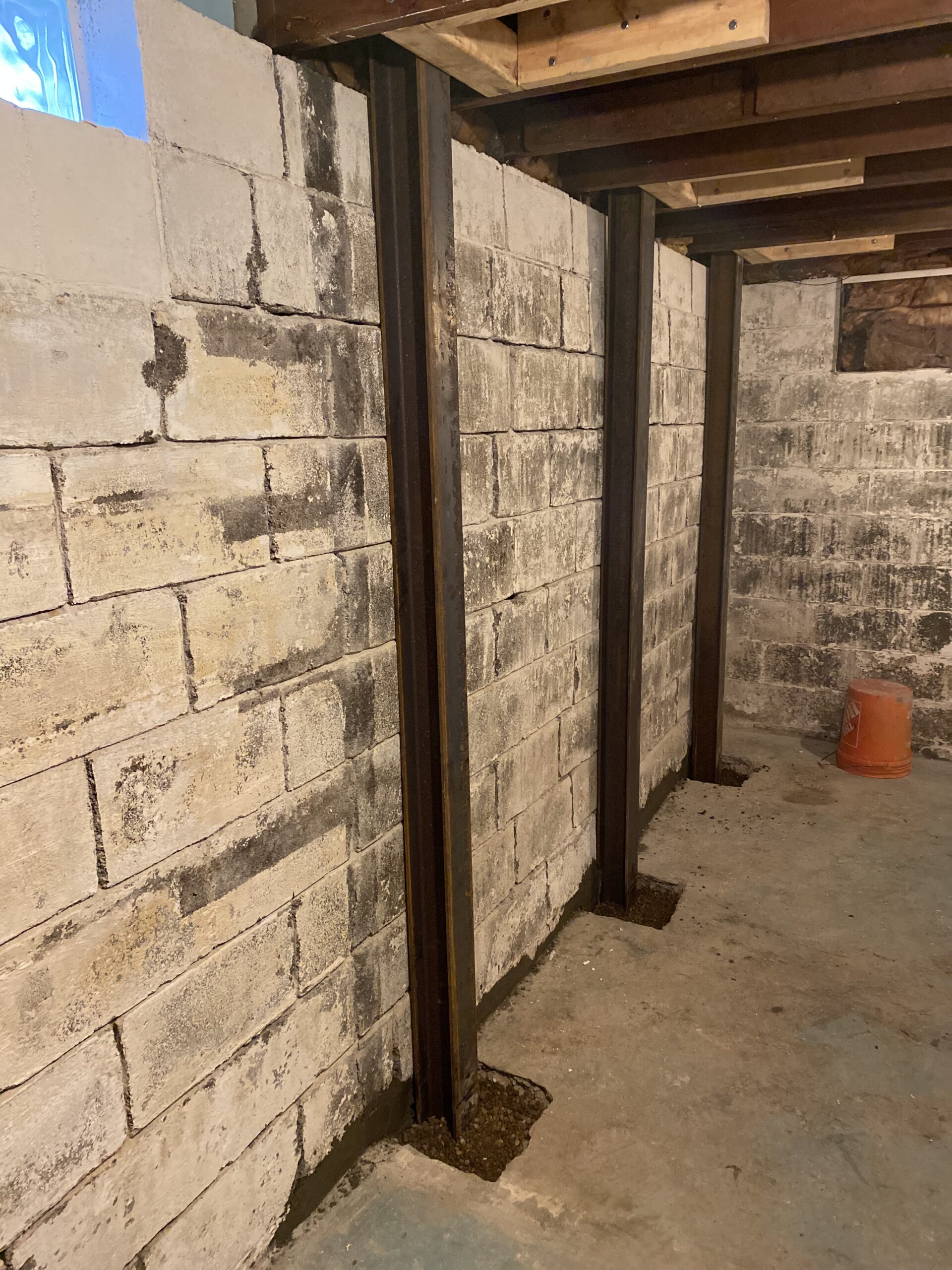
Inspections · Quad Cities
Buying or Selling a Home: What a Foundation Inspection Really Finds
A general home inspector flags a crack and moves on. A foundation-specific look tells you whether it actually matters — and whether anything’s been hidden. Here’s what to expect on both sides of a sale.
Based on more than 1,200 written inspections and nearly 10,000 estimates across the Quad Cities in the last ten years.
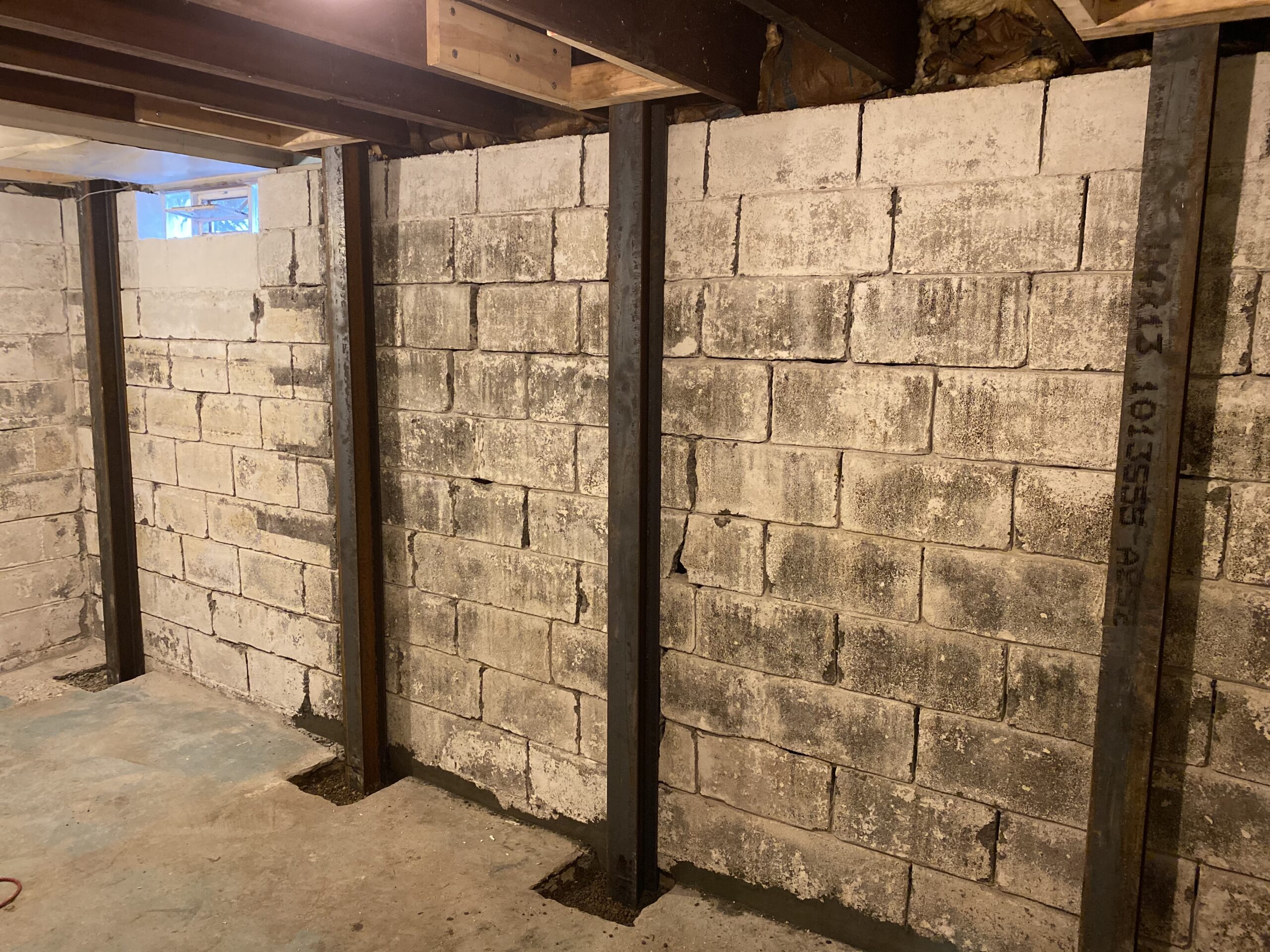
Why a foundation-specific look matters
A good general home inspector covers a lot of ground, but foundations aren’t their specialty, and their report usually reads “cracks noted, recommend evaluation by a specialist.” That leaves both buyer and seller staring at a scary line item with no idea whether it’s a $300 injection or a serious structural repair. A foundation-specific inspection exists to answer exactly that question — to separate the cosmetic from the structural before it turns into a negotiation panic or a walked deal.
What a good foundation inspection separates
The whole job is calibration, in both directions. On one side, it means not sounding the alarm over normal curing cracks or old, long-stable movement — the kind of thing that scares buyers unnecessarily and costs sellers leverage. On the other, it means not glossing over the real signals: a wall that’s bowing, a corner that’s dropped, cracks running through the masonry, framing that’s been eaten. An honest inspection tells you which of those you’re actually dealing with, in plain language, so the number attached to it is real.
The concealment tells
Here’s the part that matters most on a sale, and the reason a trained eye earns its keep: problems get hidden before a house goes on the market. Fresh paint or a new coating over just the foundation area, spray foam or paneling covering one wall, a suspiciously tidy corner in an otherwise rough basement — these are the spots we look harder, not softer. Cosmetics over a problem area are a tell, and a real inspection reads them instead of being reassured by them.
If you’re selling
The smartest move a seller can make is to find out what the buyer’s inspector will find — before they find it. Knowing whether that crack is cosmetic or structural lets you price it, disclose it, or fix it on your terms rather than scrambling mid-negotiation. A clean, honest evaluation in hand is often worth more than the repair itself, because it removes the unknown that kills deals.
If you’re buying
Ask for specifics, not adjectives. Is the movement active or historic? Structural or cosmetic? What’s driving it, and what would a real fix cost? Be especially curious about any freshly finished or coated area in an otherwise unfinished basement, and about decks and additions. The goal isn’t to find a reason to walk — it’s to buy with your eyes open and the right number in the contract.
What to do
Whether you’re listing or under contract, a foundation-specific inspection turns a vague red flag into a clear decision. And if you’ve already got a specialist’s repair quote that feels aggressive for what’s actually there, that’s exactly when a second opinion protects you. For background on reading what you’re seeing, see foundation cracks and foundation settlement.
Common questions
Do I need a foundation inspection if I already had a home inspection?
Often yes. General inspectors flag cracks but usually recommend a specialist to say whether they matter. A foundation-specific look tells you cosmetic versus structural, and active versus historic — the details that decide the number.
Can foundation problems be hidden before a sale?
Yes, and it’s common — fresh paint or coatings over one area, foam or paneling covering a wall, a too-tidy corner. Those are exactly the spots a trained inspector examines more closely rather than taking at face value.
I’m selling — should I inspect before listing?
It’s usually the strongest move. Knowing what a buyer’s inspector will find lets you price, disclose, or repair on your own terms instead of scrambling mid-negotiation. The unknown is what kills deals.
Should a foundation issue make me walk away from a house?
Not by itself. Many are minor or repairable at a known cost. The point of an inspection is to buy with your eyes open and the right number in the contract — not to panic over a crack.
What about decks and additions?
Worth specific attention. Additions on their own supports and decks against safe load standards are common weak points that a foundation-focused inspection checks along with the main structure.