
Basement Waterproofing — Blue Grass, Iowa
A full interior drain-tile waterproofing system with two sump pits, designed for a larger Blue Grass, Iowa basement where water was entering from multiple directions.
PROJECT SUMMARY
Date posted: August 3, 2026
Service: Basement waterproofing
Location: Blue Grass, Iowa
Problem: Groundwater entering a larger basement from multiple directions
Solution: Full interior drain tile system with two sump pits at opposite ends of the basement
Drainage system: Interior drain tile (perimeter)
Sump pumps: Two — dual pits
Completion status: Completed
Project photos
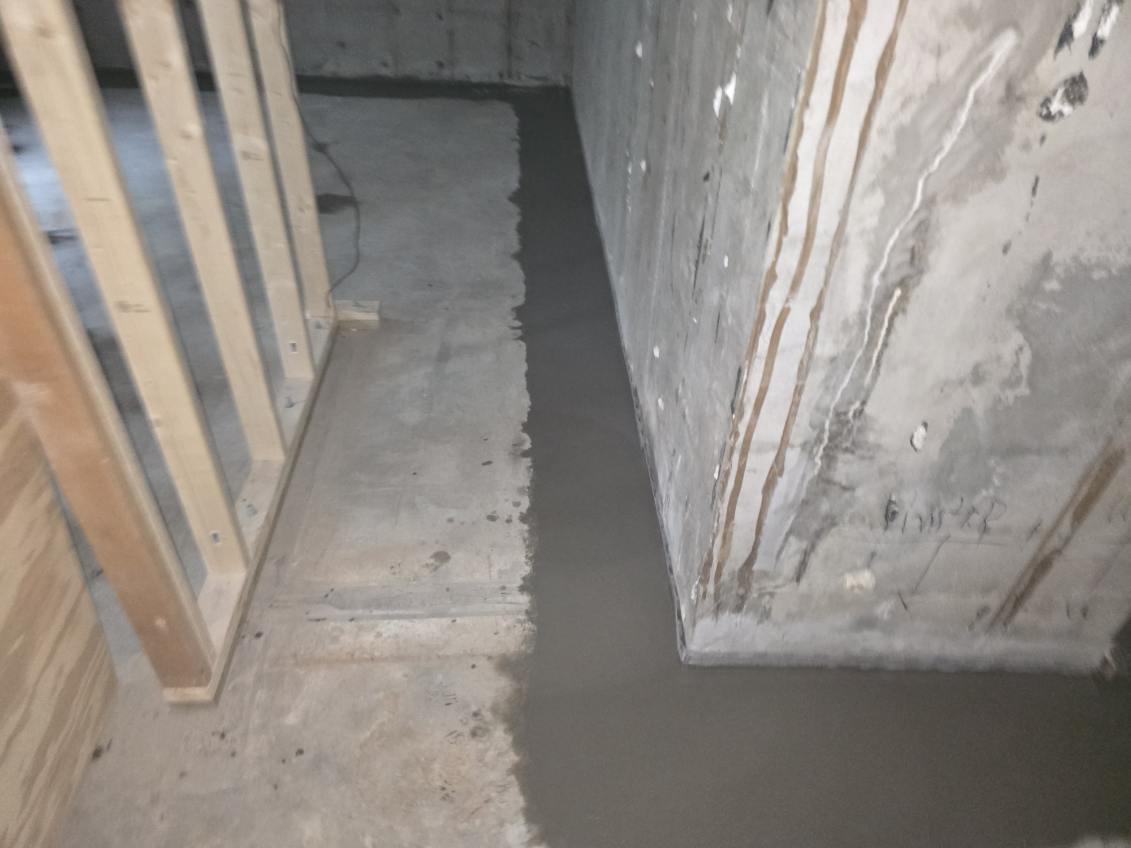
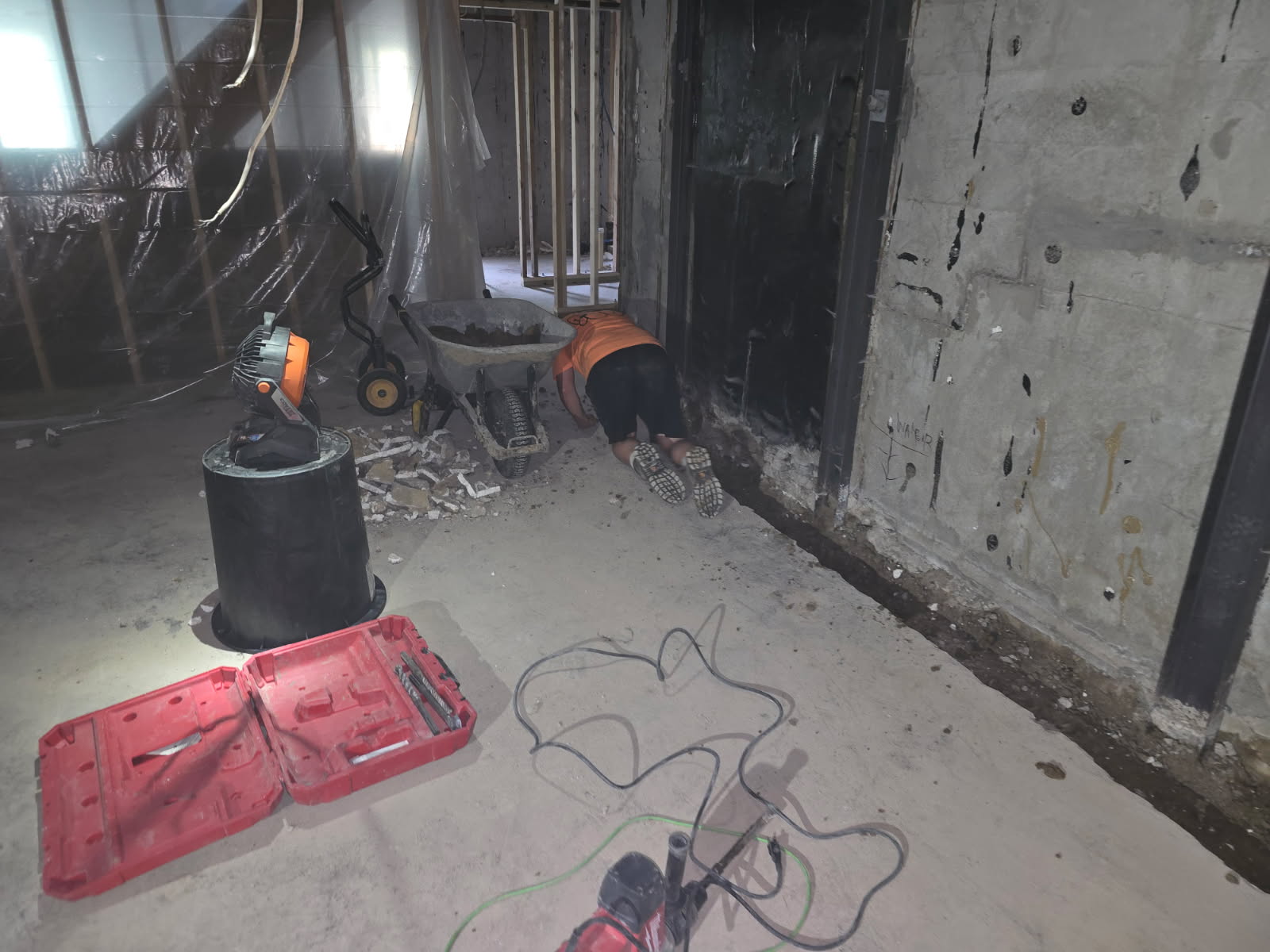
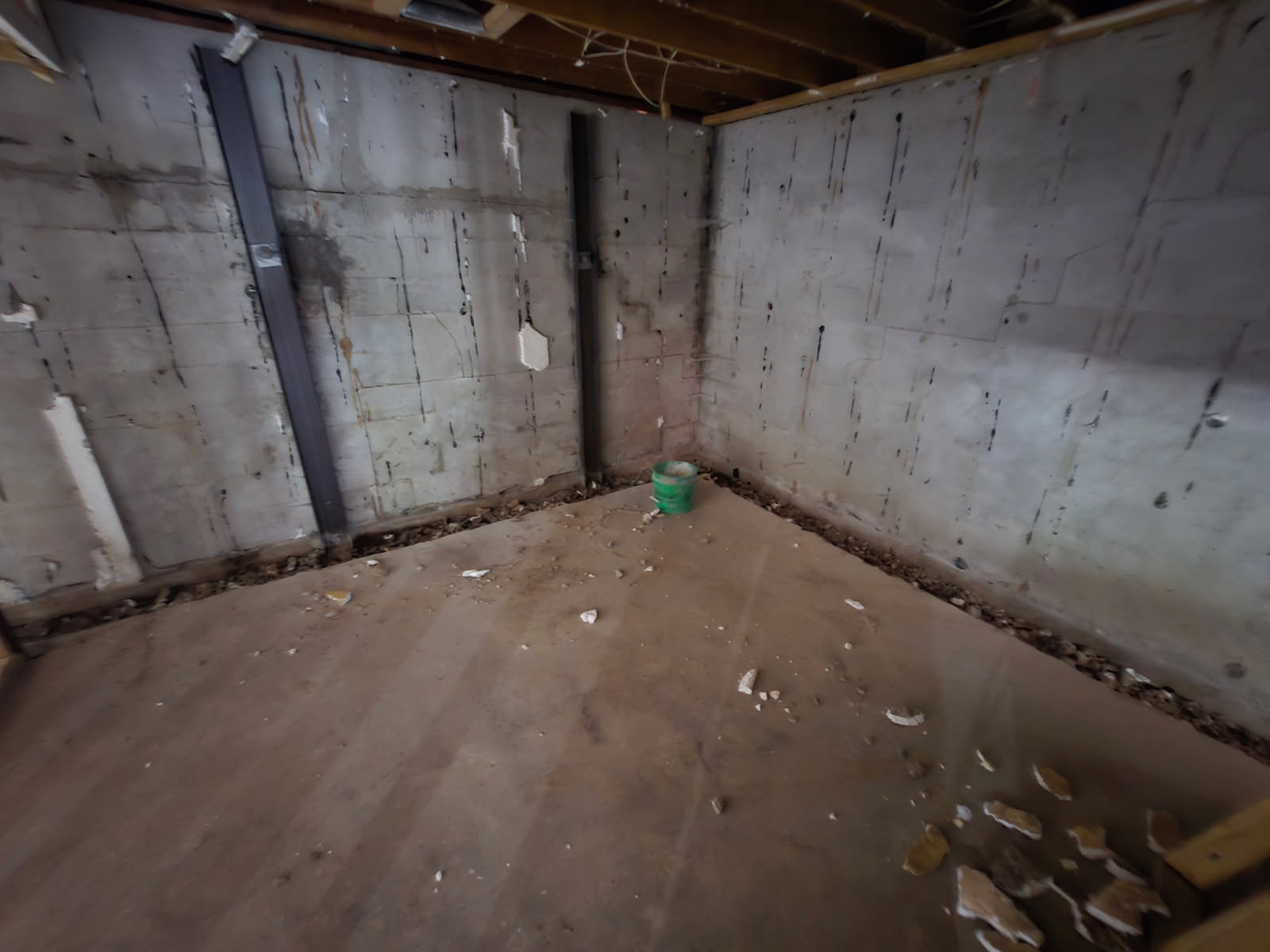
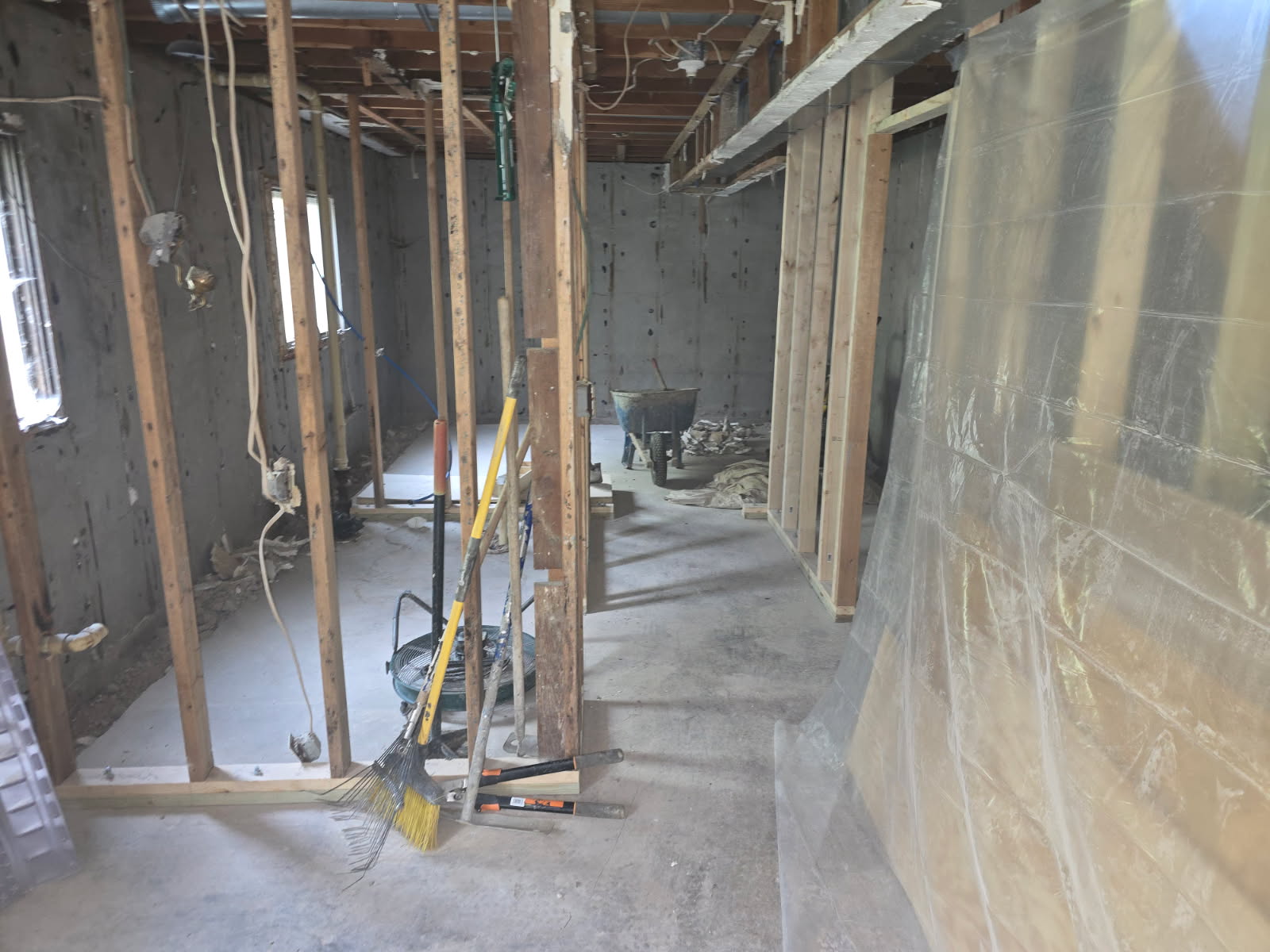
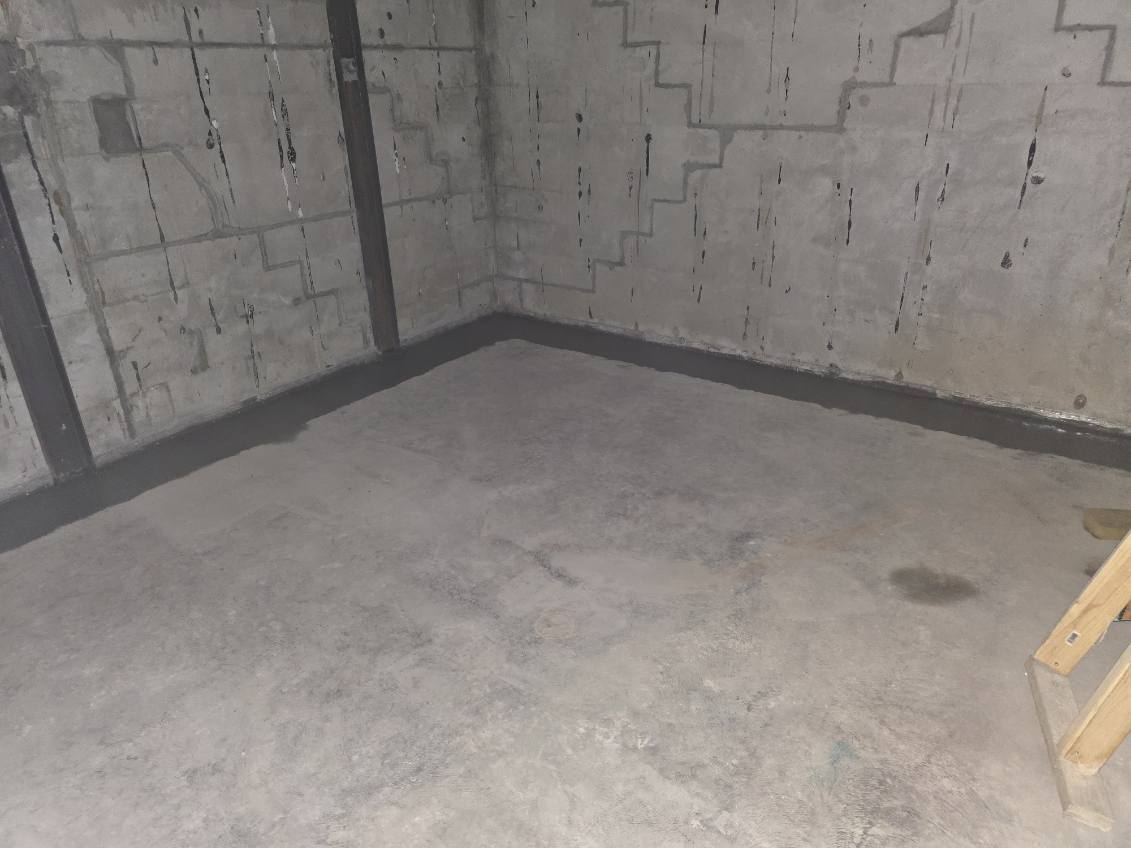
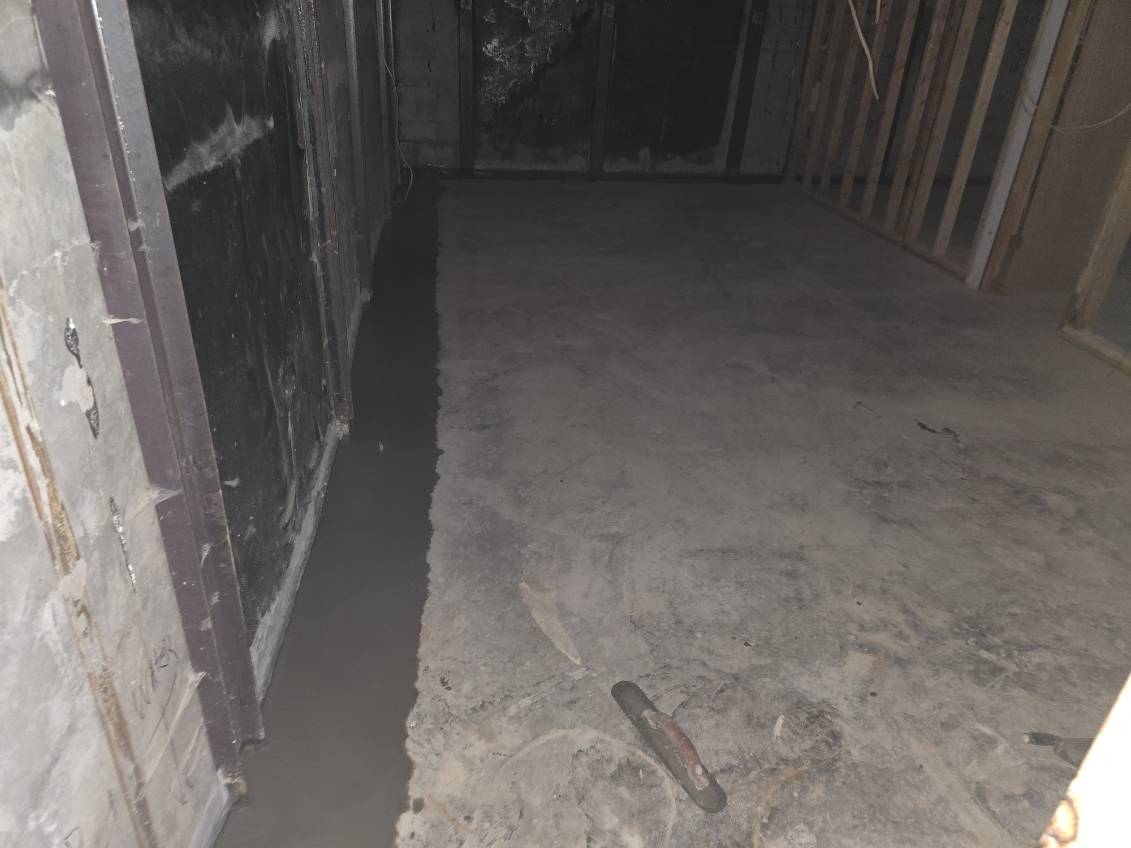
Project overview
Not every basement waterproofing system can be protected with a single sump pump. On larger homes like this one in Blue Grass, Iowa, water can enter from multiple directions, making it difficult for one pump to efficiently collect and discharge all of the groundwater.
For this project, we installed a full interior drain tile system along with two separate sump pits positioned at opposite ends of the basement. This design allows each pump to collect water from its section of the foundation, helping prevent standing water in the drain tile and improving the overall performance of the waterproofing system.
Every home is different. At Behncke Construction, we design each waterproofing system based on the size of the basement, the foundation layout, and how water moves around the home—not a one-size-fits-all approach. Proper planning today helps keep basements dry for years to come.
Project details
Because water was entering from more than one direction, a single sump couldn’t keep up. The system runs interior drain tile around the foundation feeding two sump pits at opposite ends of the basement, so each pump clears water from its own zone — preventing standing water in the tile and keeping the whole system efficient.
What homeowners should know
Interior waterproofing manages water rather than trying to block it. A drain-tile channel is set at the base of the foundation footing and piped to a sump pit, where a pump discharges the water away from the house.
On larger or more complex basements, a single pit often can’t collect water fast enough from every direction, so two pits — each with its own pump — are placed at opposite ends. Because a pump only works when it has power, a battery backup is worth considering. The right design depends on the size of the basement, the foundation layout, and how water actually moves around the home.
Related services
Learn more about our basement waterproofing, foundation repair, or browse more recent projects.
Related learning center articles
Want to go deeper? Battery Backup Sump Pumps: Protection When the Power Fails.
Water showing up in your basement?
If your basement takes on water — especially in a larger home where one pump can’t keep up — Behncke Construction can design a system around how water actually moves through your foundation.
Request a Free Estimate Call 563-332-6045