Why Blue Grass Basements Get Wet
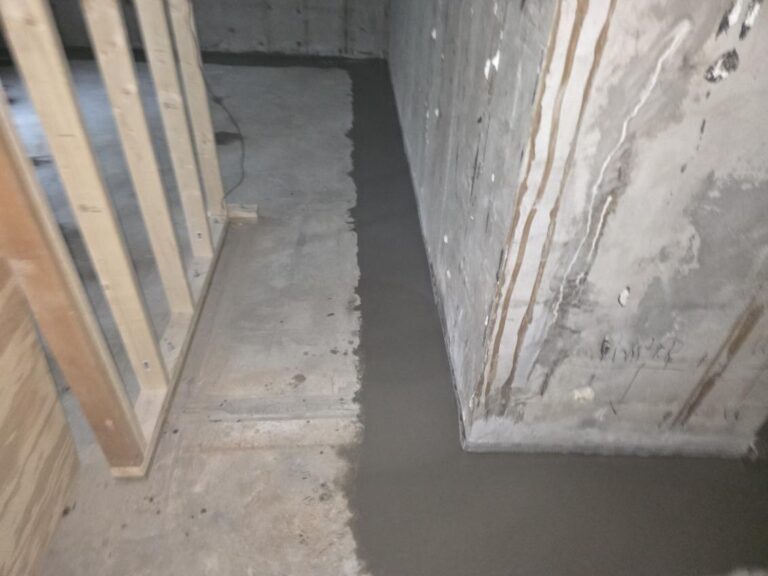
Out on the flat farmland west of Davenport, expansive clay is the rule, and on level lots, water often has nowhere to go. It pools against the foundation, soaks the soil, and builds hydrostatic pressure that pushes through cracks and the cove joint. Add freeze-thaw winters, downspouts dumping at the wall, and tired drain tile, and you get seepage and standing water in the basement. It’s almost always traceable to one source we can pinpoint.
We Stop Blue Grass Water at Its Source
Grading & Drainage →
On flat lots this is usually the answer, regrade and route water away from the foundation before it ever reaches the wall.
Drain Tile & Sump →
When clay holds water under the slab, interior drain tile and a sump system relieve the pressure for good.
Crack & Wall Repair →
Sealing leaking cracks and joints from the exterior on Blue Grass block and poured walls.
Window Well Leaks →
Failed window wells and egress drainage are a common Blue Grass leak point we correct.
A damp basement rarely stays just damp
Left alone, basement moisture doesn’t hold steady, it compounds. It feeds mold, ruins finishes and stored belongings, rusts mechanicals, and keeps working on the mortar and foundation itself. None of that is a reason to panic; it’s a reason not to wait. The small fix now is almost always cheaper than the big one a few seasons later.
Your next step
“Can a damp basement wait?”
Understand what waiting actually costs:
- Why basements leak what’s driving it, so you can judge the urgency
- Basement waterproofing the durable fix when it’s time
- When moisture becomes a crack how water work turns into foundation work
Real customers · real reviews
What Quad Cities homeowners say
“Kyle came out and did a very thorough job of looking for possible cracks in the foundation, digging down to see below surface line, and informed us he didn’t see any obvious cracks.”
“We had our basement joists replaced. Reasonable quote, booked in a timely manner, great communication with expectations and the contract. We could park a semi on our new floors. The owner was a doll.”
Most Blue Grass Leaks Don’t Need a Whole System
Plenty of Blue Grass homeowners get quoted thousands for a full interior system when the real fix is grading, a downspout, or one sealed crack. We diagnose the actual source first and recommend the most practical repair, no commissioned salespeople, no pressure.
Common Wet Basement Questions
On flat clay lots, water pools against the foundation with nowhere to drain, and the pressure forces it through cracks and the cove joint. The fix is usually moving the water away, regrading and drainage, before it reaches the wall.
More often than not, just drainage, regrading, a downspout, or one sealed crack. We diagnose the actual source first and only recommend drain tile and a sump when the clay pressure truly calls for it.
Yes. We work on in-town homes, newer subdivisions, and rural farmhouses alike, wherever the water is finding its way in around Blue Grass.
We’re based just east in Davenport, a short drive out US-61, so we usually get out quickly and have a written estimate to you within one business day.
Wet Basement in Blue Grass?
We’ll find where the water’s getting in and recommend the most practical fix, with a written estimate, usually within one business day.