
The Right Answer When the Water Comes From Below
An interior drain-tile system is a perforated pipe set in washed gravel along the inside of the footing, beneath the slab edge. It gives water under hydrostatic pressure a path to a sump basin instead of up through the floor and cove joint. For a basement under real pressure it’s the permanent fix, but only when the water is genuinely coming from below, which is what we confirm before recommending it.
What an Interior Drain-Tile System Does
Relieves the pressure
Instead of fighting hydrostatic pressure at the wall, the system gives water a lower-resistance path, so it stops forcing through cracks and the cove joint.
Collects the water
A perforated pipe in a gravel bed along the footing captures water along the whole perimeter where it enters.
Sends it to the sump
The tile drains to a sump basin, where the pump lifts it out and carries it well away from the foundation.
When Interior Drain Tile Is the Right Call
When it’s the right fix
Chronic seepage at the cove joint or up through the floor, a high water table near the river, recurring water in a finished or about-to-be-finished basement, or a system needed to feed a sump. When the water comes from below, this is the lasting fix.
When it’s the wrong fix
Water coming over the top of the wall from poor grading or a downspout dumping at the foundation. Drain tile manages water that reaches the basement, it won’t stop water that should have been kept outside. We fix that outside first.
What a Proper Behncke Interior Drain-Tile Install Includes
The system only works if every layer is right. Our standard installation is built to keep draining for the long run.
Exact tile run, basin, and pump are matched to your basement during the evaluation.
Built for Quad Cities Water Tables
Near the Mississippi the water table sits high and Quad Cities clay holds water against the foundation long after the rain stops. Where that pressure is the real cause, an interior drain-tile system paired with a properly sized sump is the permanent answer, and where it isn’t, we point you to the repair that is.
Real Quad Cities Installations
We’re adding before, during, and finished photos of recent interior drain-tile systems as jobs are documented.
Frequently Asked Questions
What’s the difference between interior and exterior waterproofing?
Interior drain tile manages water once it reaches the basement and relieves pressure from the inside. Exterior waterproofing stops water on the outside of the wall. Both are valid, the right one depends on where and how water is entering, which we diagnose first.
Will interior drain tile stop a cove joint leak?
Usually yes, the cove joint (where the wall meets the floor) leaks under hydrostatic pressure, and an interior system relieves exactly that pressure. We confirm the cause before recommending it.
How disruptive is the installation?
We open the slab edge along the affected walls, install the system, and patch it back with clean concrete. It’s real work, but it’s contained to the perimeter and we leave it finished.
Do I need a sump pump with it?
Almost always, the tile collects the water and the sump removes it; they work as a system. We size the basin and pump to your basement.
Is it guaranteed to keep the basement dry?
When hydrostatic pressure is the real cause, a properly installed system is the permanent fix. That’s why the diagnosis matters, we only recommend it when it will actually solve your problem.
Let’s Find the Source First.
We’ll diagnose where the water is really coming from and recommend the repair that solves it, in writing, usually within one business day. No pressure, no commissioned salespeople.
Explore related repairs & solutions
Recent Interior Drain Tile Projects
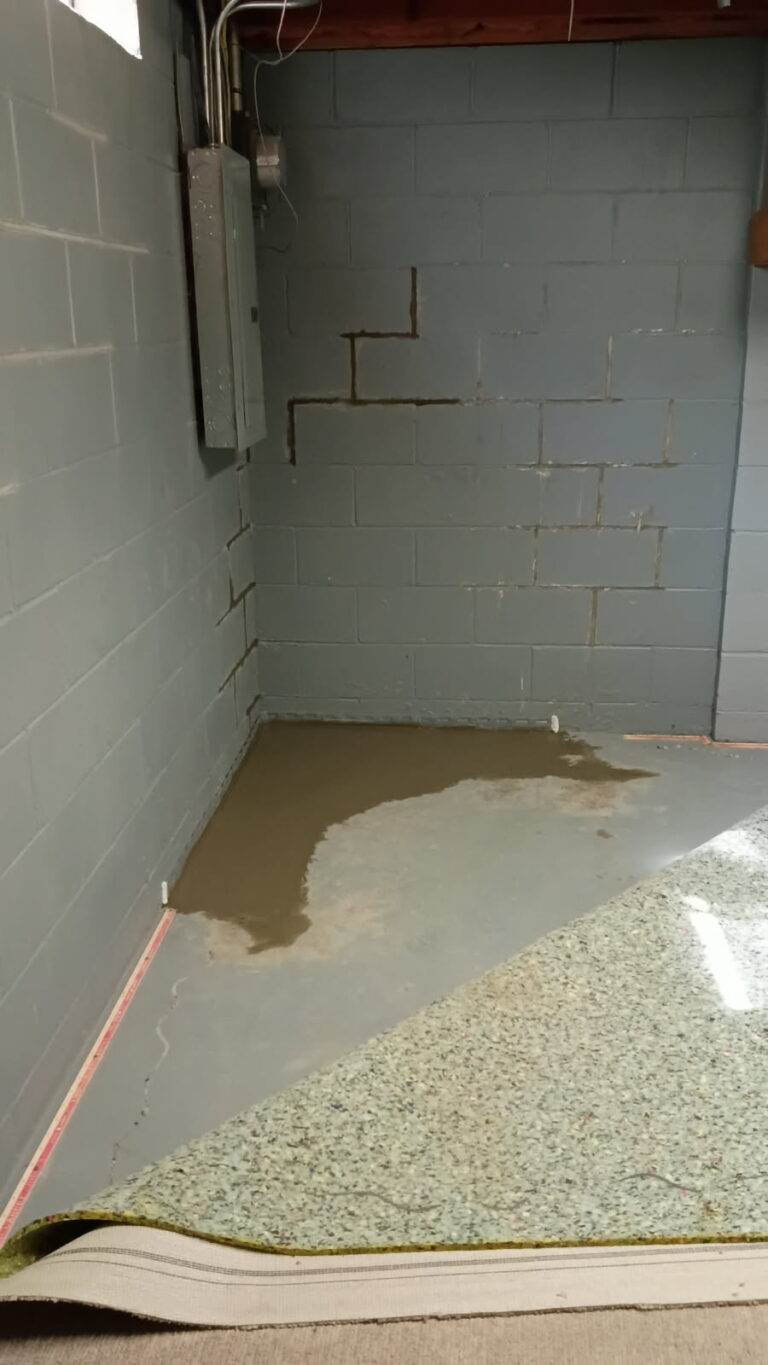 Drain Tile Repair Instead of a New Waterproofing System — Davenport, IowaDavenportA Davenport homeowner was getting water in the basement. Rather than sell a full basement waterproofing system, Behncke Construction located and patch…
 Basement Waterproofing and Structural Repair — Davenport, IowaDavenportA substantial Davenport project: roughly 100 linear feet of basement waterproofing with a new sump pit and drainage system, plus structural work inclu…