
Experts in Every Waterproofing System, Guided by Diagnosis
Water in a basement can lead to mold, musty odors, ruined drywall, foundation deterioration, and lost property value. The usual causes are foundation cracks, failed drain tile, leaking cove joints, poor grading, and structural movement.
In the Quad Cities, repairs range from a few hundred dollars for minor grading or crack work to $2,000–$8,000+ for drain tile, sump systems, and drainage corrections. Since 1948 we’ve solved water problems at the source, the right diagnosis often saves homeowners thousands.
Most basement leaks start outside
When water shows up in a basement, a lot of companies sell the same interior system to everyone. We work from diagnosis, because we install every one of these systems and know exactly when each is the right call.
Sometimes the permanent fix is a full interior drain tile system and sump pump. Sometimes it’s exterior excavation and a waterproof membrane. And sometimes the water never needed to reach the wall at all, the lasting fix is grading or a downspout, and we’ll tell you that too. We start by finding where the water actually comes from, then install the system that solves it for good, sized to the real problem, not to the sale.
One homeowner’s Google review describes it exactly: our estimator Kyle digging down to check for cracks, finding none, and pointing to grading as the real cause.
The Behncke crew · Quad Cities, since 1948
Three Places We Look First
Under the Sill Plate
Water dripping from the top of the wall. Usually the simplest fix, regrading outside the foundation so water flows away from the problem area.
Through the Wall
Cracks, leaking mortar joints, rusty form ties, or holes. Depending on your foundation, we either dig out the affected area or install a drain tile system, case by case.
Below the Slab
Hydrostatic pressure builds beneath the slab and forces water up through cracks and voids. The remedy is usually a sump pump or a drain tile system.
Every Waterproofing System, and When Each Is the Right One
We install the full range of basement waterproofing systems. Our advantage isn’t one product we push, it’s knowing exactly which of these permanently solves your home’s problem once we’ve diagnosed the source of the water.
Interior Drain Tile
A perimeter drainage channel beneath the slab edge that relieves hydrostatic pressure and carries water to a sump.
When it’s the right call: Chronic seepage from below the slab or the base of the wall that grading alone can’t stop.
Exterior Waterproofing
Excavation, a waterproof membrane, drainage stone, and footing drain tile that stop water before it reaches the wall.
When it’s the right call: Porous or failing walls where the permanent fix belongs on the outside.
Sump Pumps
A sealed pit and pump that collect and discharge water well away from the home.
When it’s the right call: Water collecting beneath the slab or feeding an interior drain system. One caution from our field files: a sump that cycles every few minutes on dry days usually means an underground source — an old farm field tile or a sand vein — and that calls for intercepting the water, not just a bigger pump.
Battery Backup Systems
A second pump that keeps running when the power goes out.
When it’s the right call: The storms that flood basements are the same storms that knock out power.
French Drains
A gravel-and-pipe channel that intercepts surface and yard water and routes it away.
When it’s the right call: Water pooling around the foundation from the yard.
Curtain Drains
An upslope interceptor drain for hillside and bluff lots.
When it’s the right call: Water running downhill toward the house on Quad Cities slope properties.
Window Well Drainage
Well drains tied into the drainage system, plus covers and grading.
When it’s the right call: Window wells that fill with water and push it through the basement window.
Grading & Drainage Correction
Reshaping soil and extending downspouts so water flows away from the foundation.
When it’s the right call: The most common cause we find, and often the simplest permanent fix.
Not sure which your home needs? That’s what the free evaluation is for, we diagnose first, then recommend.
Signs of a Basement Water Problem
Most homeowners notice the warning signs well before serious damage. If you see any of these, it’s worth a look.
We Find the Root Cause Before We Recommend a Fix
Every property is different, so we evaluate the foundation, soil, and existing drainage before choosing an approach. Often the answer is improving grading, installing proper drainage, sealing foundation cracks, or repairing masonry, relieving the water pressure against your walls rather than just treating the symptom. The goal is always to stop the source.
Most basement water starts outside the home.
After generations of tracing leaks back to their real source.
Free · no obligation
Not sure what your home actually needs?
Tell us what’s going on. We’ll diagnose the real problem and put a written estimate in your hands, usually within one business day. No pressure, no commissioned salespeople.
Most Basement Water Starts Outside
Water follows the path of least resistance. A wet basement is almost always a water-management problem before it’s a wall problem. Three local forces push water at your foundation, and the lasting fix usually means stopping it before it ever reaches the wall. We find the source, not just the symptom. By the time water shows up on the inside, it has usually been working at the outside for a while.
Hydrostatic Pressure
After a storm, saturated soil presses groundwater against the walls and floor. That pressure finds every crack, cove joint, and porous block, the real reason most basements leak.
Clay That Holds Water
Quad Cities clay drains slowly, so water lingers beside the foundation long after the rain stops, keeping the wall under near-constant pressure.
The River, Rain & Snowmelt
Near the Mississippi the water table already sits high. Spring rains and snowmelt raise it further, which is exactly when the calls about wet basements come in.
Keep the water away and you’ve solved the leak
Stopping water before it reaches the wall fixes the leak at its source, often for far less than an interior system:
What proper exterior waterproofing actually looks like
Because the water starts outside, the lasting fix usually does too. Here’s the hidden part, the layers that keep a wall dry for good.
Grade the soil away, seal the wall with membrane, route water down the stone to a perforated drain tile, and carry it off. Stop it outside and the inside stays dry, for good.
Water doesn’t seep through concrete, pressure pushes it through
Saturated soil acts like a column of water leaning on your foundation. That pressure finds every crack, joint, and pore, and pushes water through.
Related: Exterior Waterproofing · Grading & Downspouts · Why Our Clay Holds Water
A real example · Bettendorf, Iowa
The Same Symptoms Can Have Two Different Fixes
On paper this basement looked like a candidate for a full interior system. It wasn’t.
A severe corner leak, possible mold, and movement and deterioration in the block. Every symptom that usually sends a homeowner shopping for a full system.
A surface-water problem. The water was reaching the wall from above ground — not pressing in from below, which is what an interior system is built to handle.
Corrected the drainage. It solved the problem permanently — without unnecessary excavation, and without selling this home a system it did not need.
Why this matters to you
On the next home, a full interior system might genuinely be the right answer — and we would say so. That is the whole point: the diagnosis drives the fix. The right diagnosis is what makes a repair last, and what keeps you from paying for a system your home doesn’t need.
Free inspection · Quad Cities
Wet Basement?
Let’s Find the Source.
Before you price systems, find out what is actually wrong. We’ll trace where the water is really getting in and tell you the most practical way to stop it — including when that turns out to be something small.
What happens next
We inspect and diagnose
Outside, inside and the drainage — before anyone forms an opinion.
You get it in writing
A written recommendation, usually within one business day.
You decide
No pressure, and no commissioned salespeople in your basement.
Basement Waterproofing FAQ
Do I really need a full waterproofing system?
Sometimes yes, sometimes no, and the only way to know is a diagnosis. We install full interior and exterior systems and they are exactly right for some homes. For others, the water can be stopped before it ever reaches the wall with grading or drainage. We find the source first, then recommend the system that actually fits the problem.
Interior or exterior waterproofing, which is better?
Neither is universally better. It depends on where the water comes from and how your foundation is built. Exterior waterproofing stops water on the outside; an interior drain tile system manages it once it’s reached the wall. We install both and recommend based on your home’s diagnosis.
Can you fix a leak without digging up my yard?
Often, yes, if the cause is surface water, grading, or downspouts, the lasting fix is outside and minimal. If the cause is hydrostatic pressure beneath the slab, an interior drain tile system and sump may be the permanent answer. The diagnosis decides.
Will a sump pump fix my wet basement?
A sump pump is the right tool when water is collecting beneath the slab and needs somewhere to go. It is not the answer when water is coming over the top of the wall from poor grading. That’s why we diagnose the source before recommending one.
What does basement waterproofing cost in the Quad Cities?
It depends entirely on the correct fix, minor grading or downspout work is a few hundred dollars, while drain tile, sump systems, and drainage corrections typically run into the thousands. We give you a written estimate after the evaluation so the price reflects the repair your home actually needs.
How fast can I get an evaluation?
We provide a free, no-pressure evaluation and put a written estimate in your hands, usually within one business day.
Keep learning
Browse the full Knowledge Library →
Almost Everything We Fix Starts as Water.
Foundations, basements, concrete, drainage, masonry, follow the water and you’ve found the cause. Here is the whole story, from the cloud to the crack.
- Rain hits the roof
- Gutter catches it
- Extension carries it out
- Positive grade sheds it away
- Safe discharge
- Dry basement
- Rain overflows the gutter
- Water runs down the foundation
- Soil saturates against the wall
- Hydrostatic pressure builds
- A crack opens
- Water gets in
- Interior damage
The leak didn’t begin in the basement. It began on the roof.
Keep following the water: Waterproofing · Drainage · Foundation Repair · Concrete
Prefer to pay monthly?
Spread your project into manageable payments through our independent third-party financing partners. Financing is optional, and approval and terms are set by the provider.
Explore our waterproofing solutions & guides
Every system we install and every problem we diagnose, explained in plain language, so you can see exactly how we’d approach your basement.
Waterproofing & drainage solutions
Understand the problem first
Keep it protected year after year
Once your basement and foundation are in good shape, the Behncke Annual Basement & Foundation Checkup keeps them that way — a yearly preventive visit that documents conditions and catches small changes early, before they become expensive repairs.
Explore related repairs & solutions
Foundation & basement waterproofing across the Quad Cities
We diagnose and repair foundations throughout the Iowa and Illinois Quad Cities. Explore our documented experience in your community.
Straight answers, no sales pressure
Basement waterproofing questions we hear from Quad Cities homeowners
The questions we get most from Davenport, Bettendorf, Moline, Rock Island, and LeClaire, answered the same way we’d explain them standing in your basement.
Water is coming into my basement, can you find the source and fix it?
Yes, and finding the real source is the whole job. We check the outside causes first, grading that slopes toward the house and downspouts dumping at a corner are the most common culprits, then the entry point where the water actually shows up (the cove joint where the wall meets the floor, a specific crack, or the wall itself), and finally whether there’s pressure from a high water table pushing it in. Often the fix is as simple as regrading and extending the downspouts. When water is truly coming from below, we install an interior drain tile and sump system to collect it and pump it out. We match the fix to the cause instead of selling one system to everybody.
I need an estimate to waterproof my basement.
Happy to, the evaluation is free. We diagnose the cause before we quote anything, and we price the problem we actually find, not a pre-packaged “system.” A lot of the time the honest answer is the smaller, cheaper outside fix (grading and downspouts) rather than a full interior build; a full interior waterproofing system typically runs in the $5,000–$10,000 range when it’s genuinely needed. Either way you’ll get the honest minimum plus any optional next steps, so you can decide with the real picture in front of you.
Water comes in only during heavy rain, what do I do?
That pattern usually points to surface water, not a leaky foundation, which is good news, because surface water is the cheaper fix. When it only shows up in big rains, the first things we look at are downspouts dumping right at the foundation and a yard that grades toward the house (and on the bluff towns, slope runoff). Regrading and burying or extending the downspouts solves a lot of these outright. If the water is welling up at the cove joint under pressure during the storm, that’s when an interior drain tile and sump earns its keep. We check the outside first so you’re not paying for an interior system you may not need.
I’m buying or selling and the basement has water or moisture, can you assess it?
Yes. We’ll assess the basement and the water management around it and give you a written report you can hand to a buyer, seller, agent, or lender. Because we’re the ones who’d actually do any repair, the report tells you what’s really going on, whether it’s a grading and downspout fix, an interior system, or something structural, and what it would cost. If it’s minor, we’ll say so. You’ll know exactly what you’re dealing with before you’re at the closing table.
Water comes in through a crack, can you seal and waterproof it?
Usually, yes, but we read the crack first, because the pattern tells us whether sealing it will actually hold. A hairline, non-moving crack that’s letting water in is often a straightforward crack injection and seal. If the crack is stair-step or widening and the wall is moving, sealing alone won’t last, that’s a structural fix (steel I-beam bracing, then seal what the movement opened). And if water is also coming up where the wall meets the floor, the crack may not be the only path in. We find every path before we call it fixed.
Recent Work
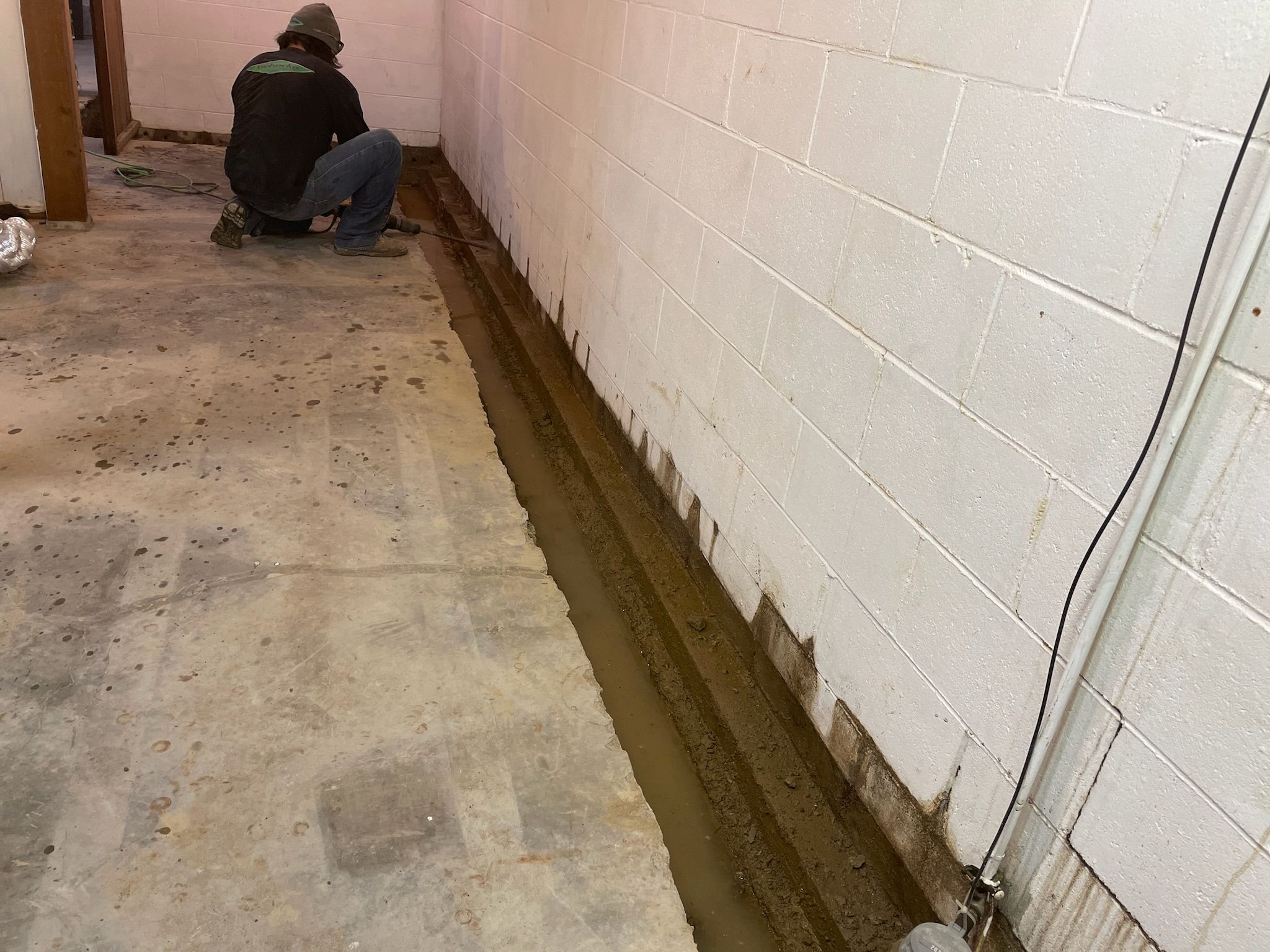
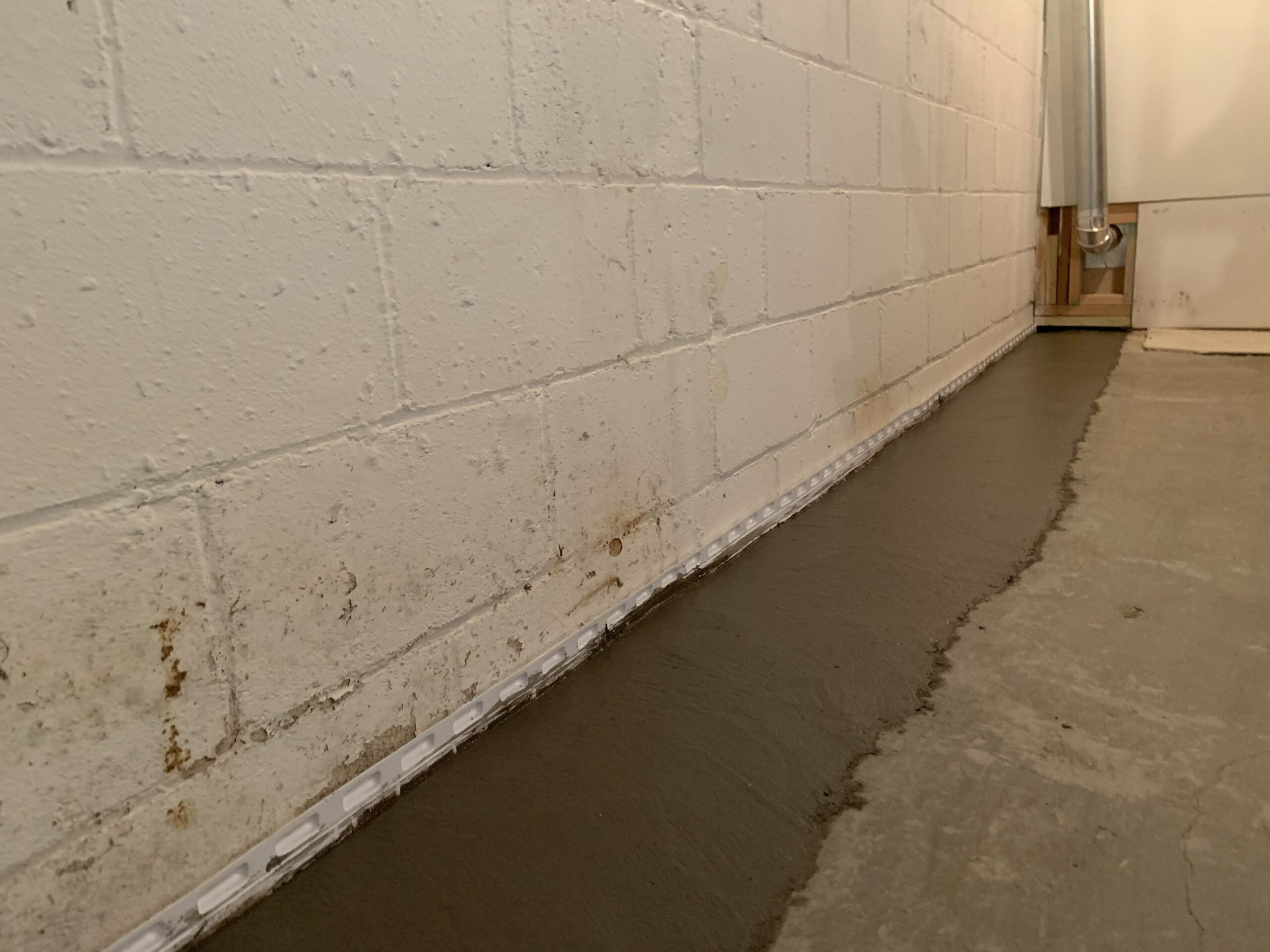
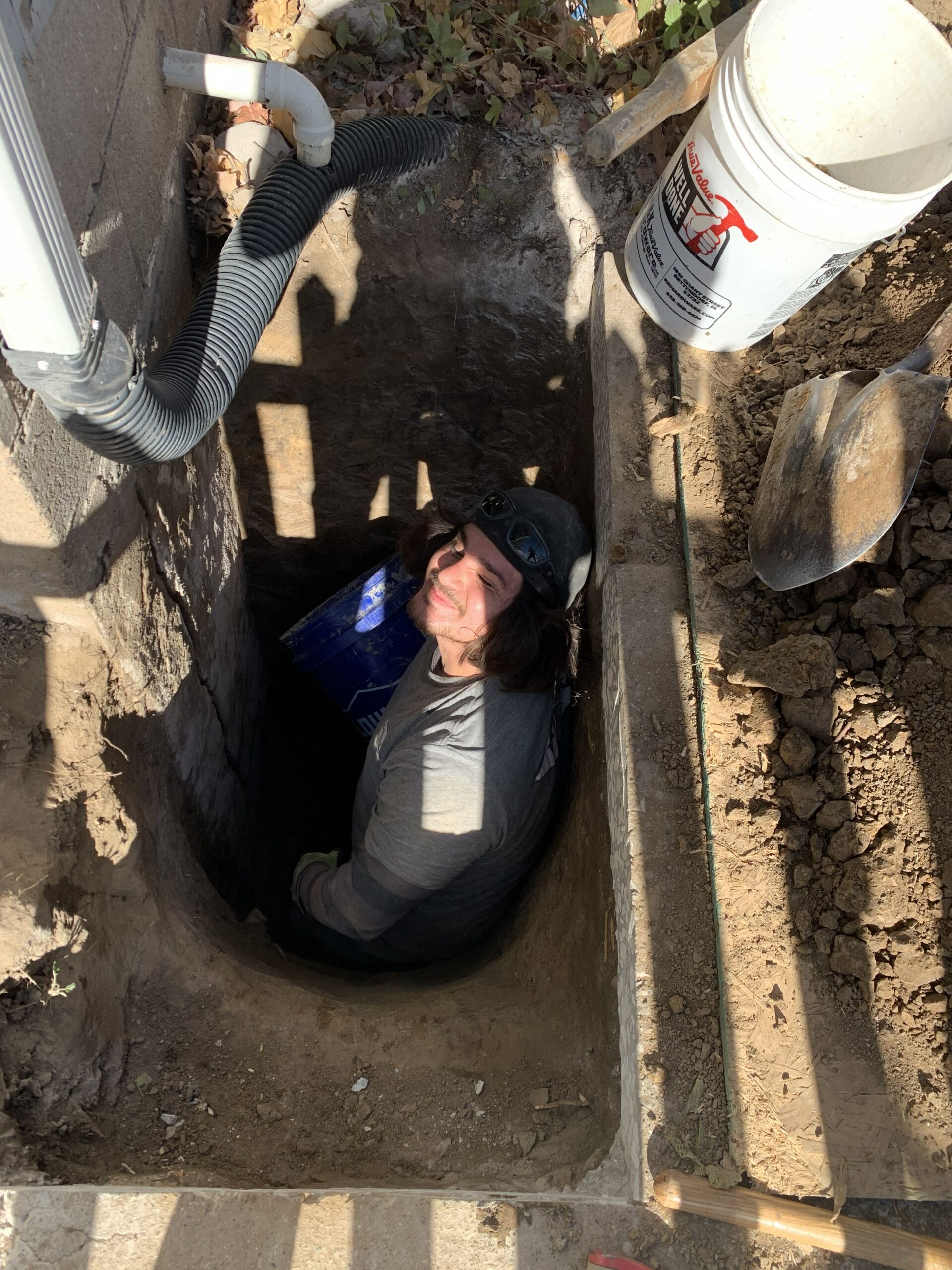
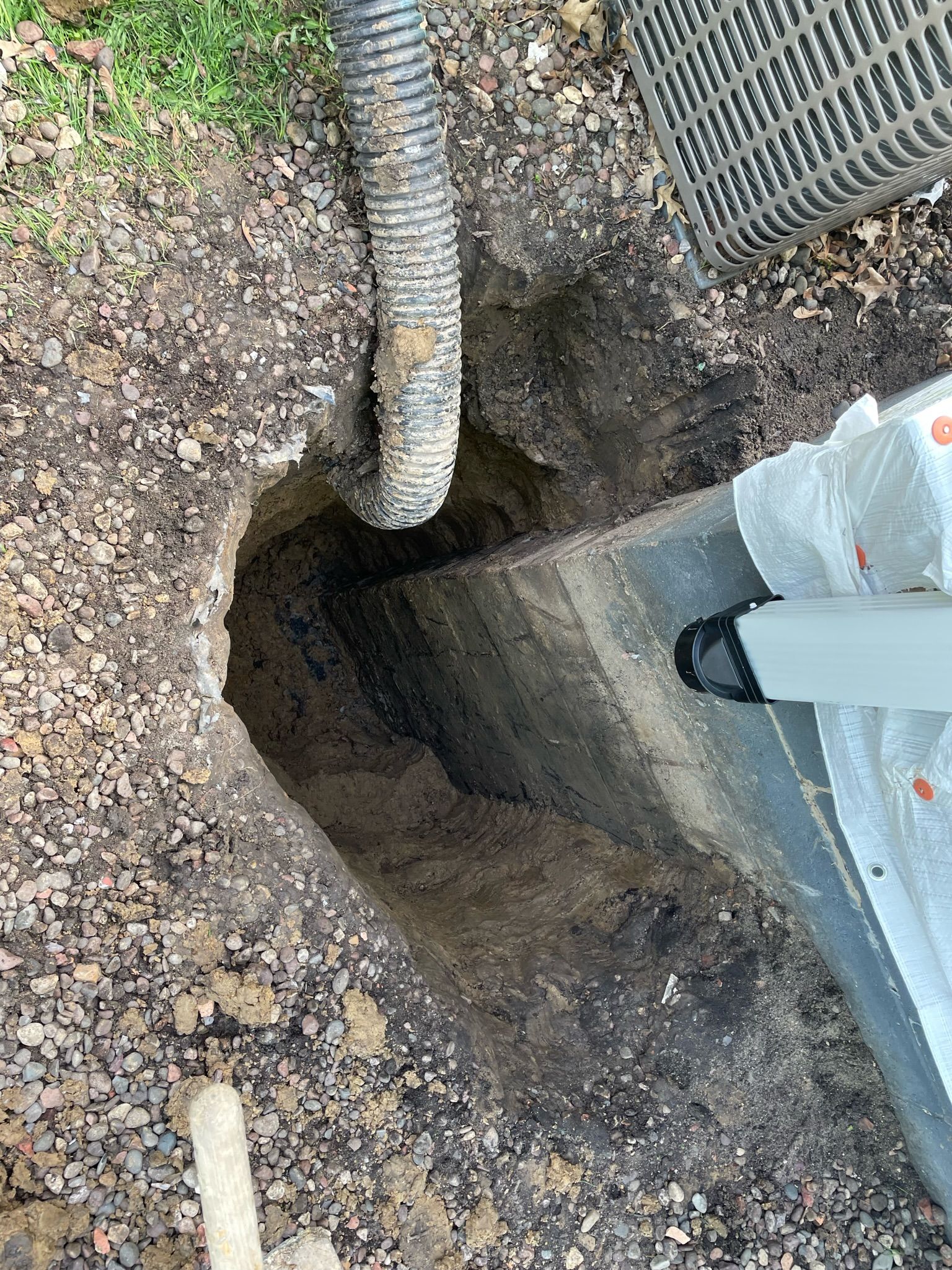
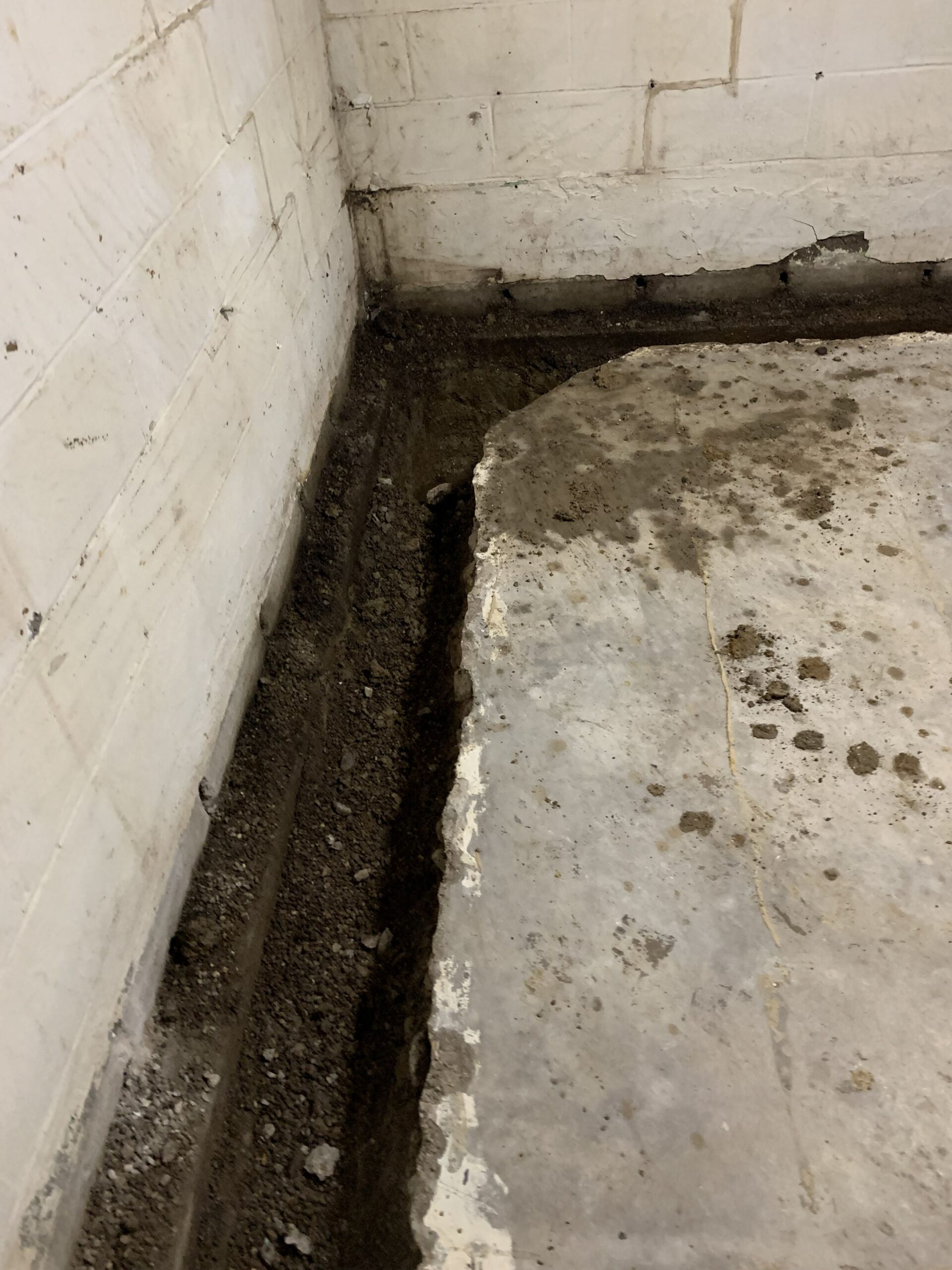
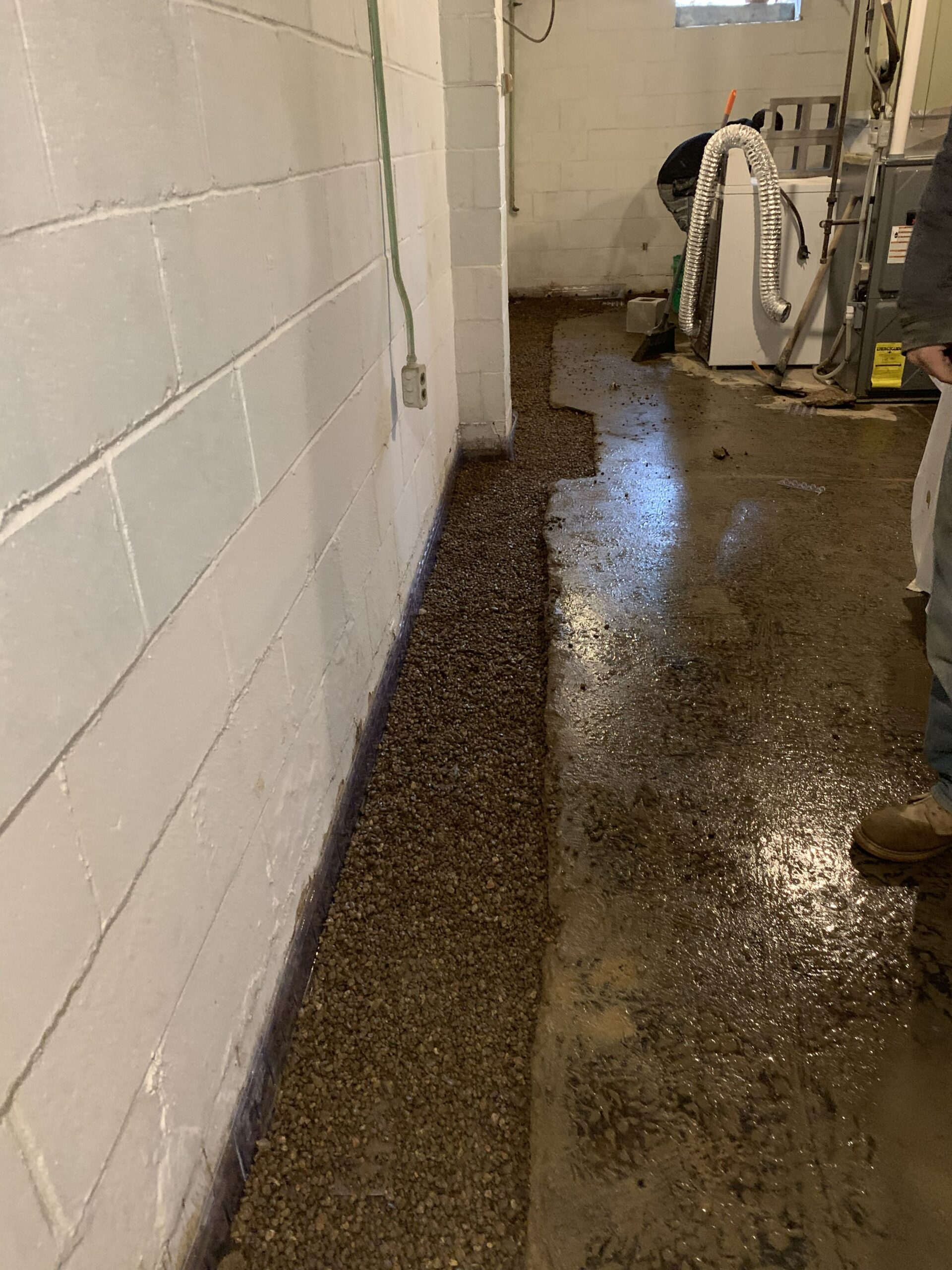
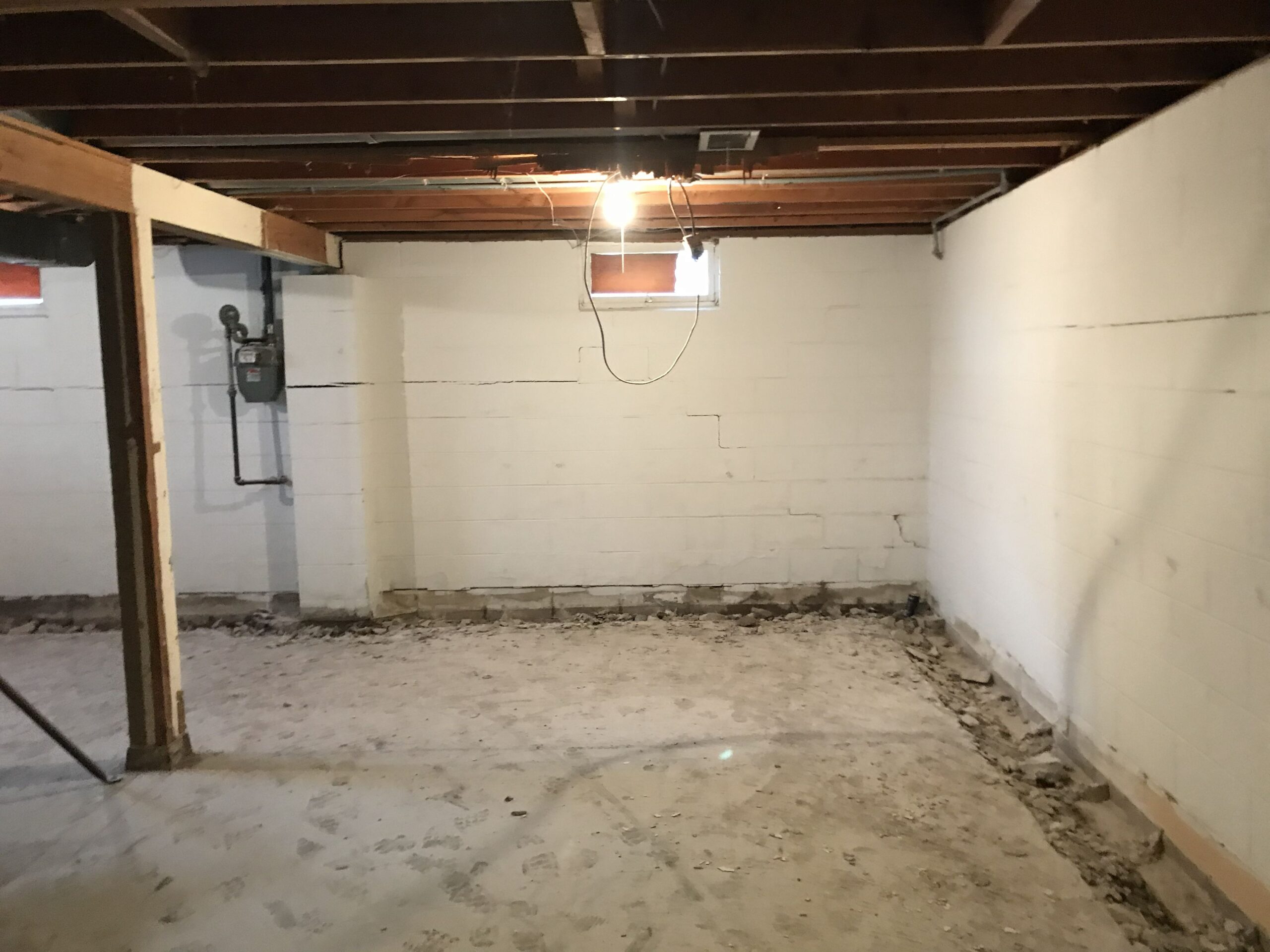
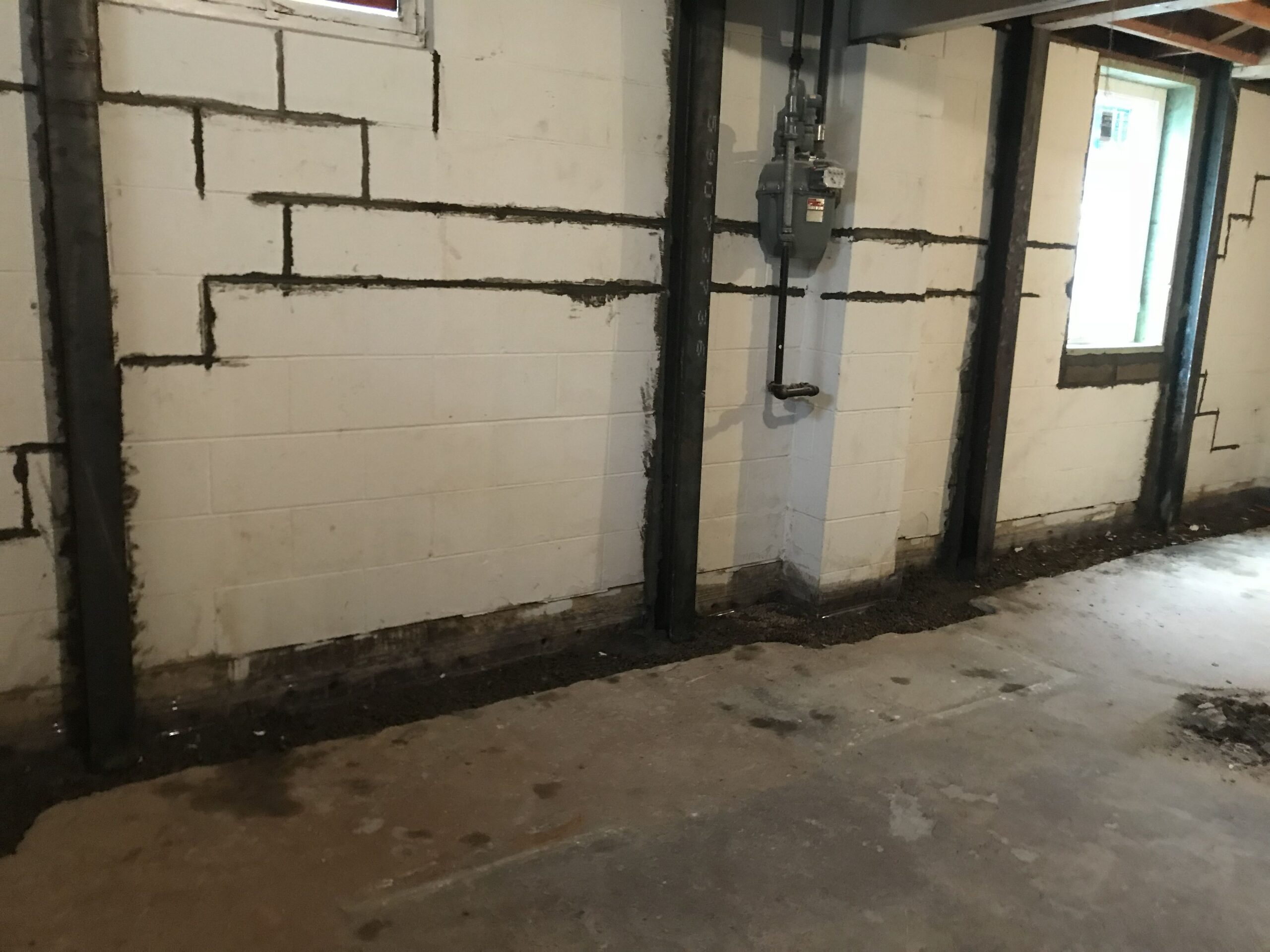
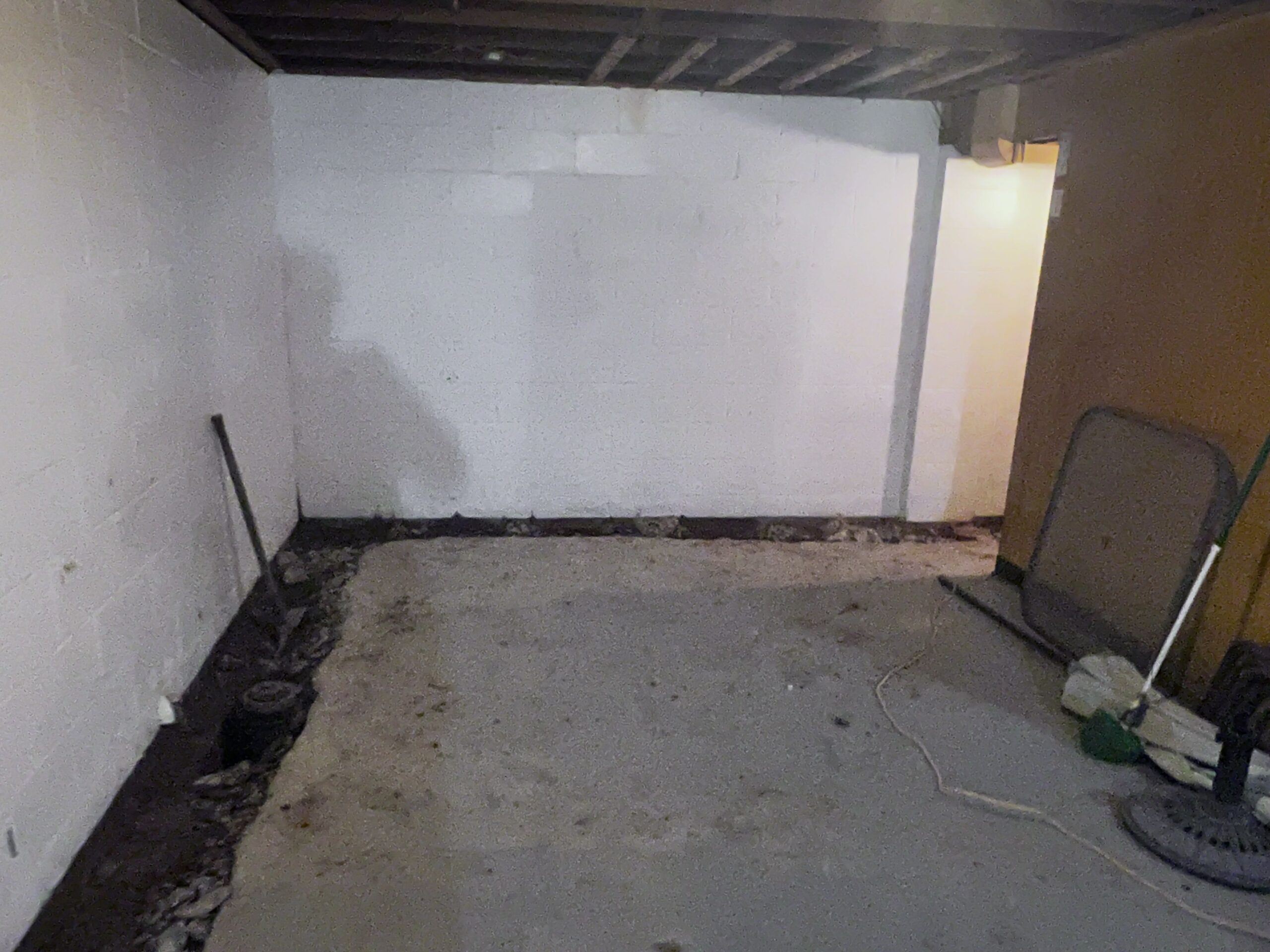
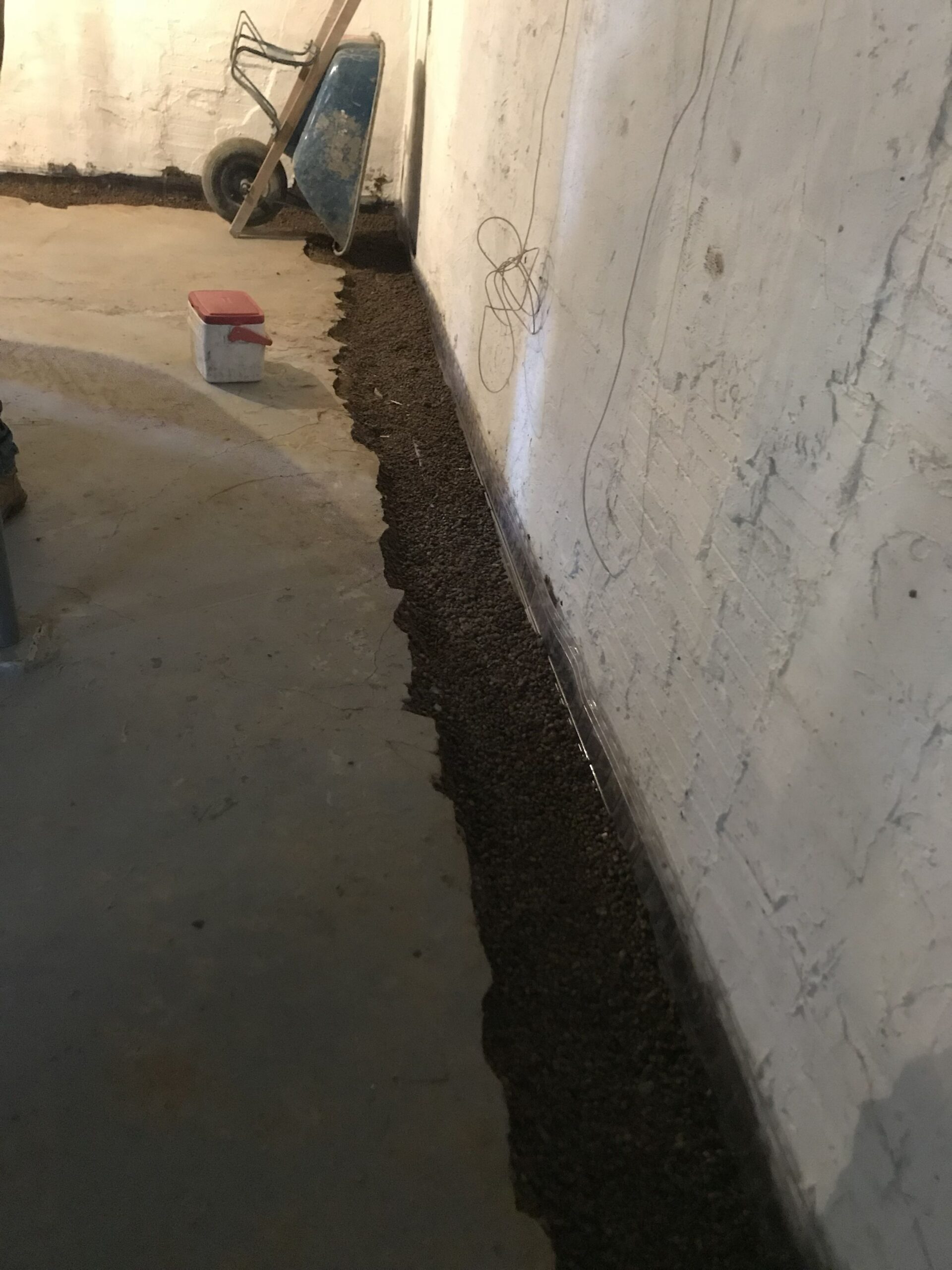
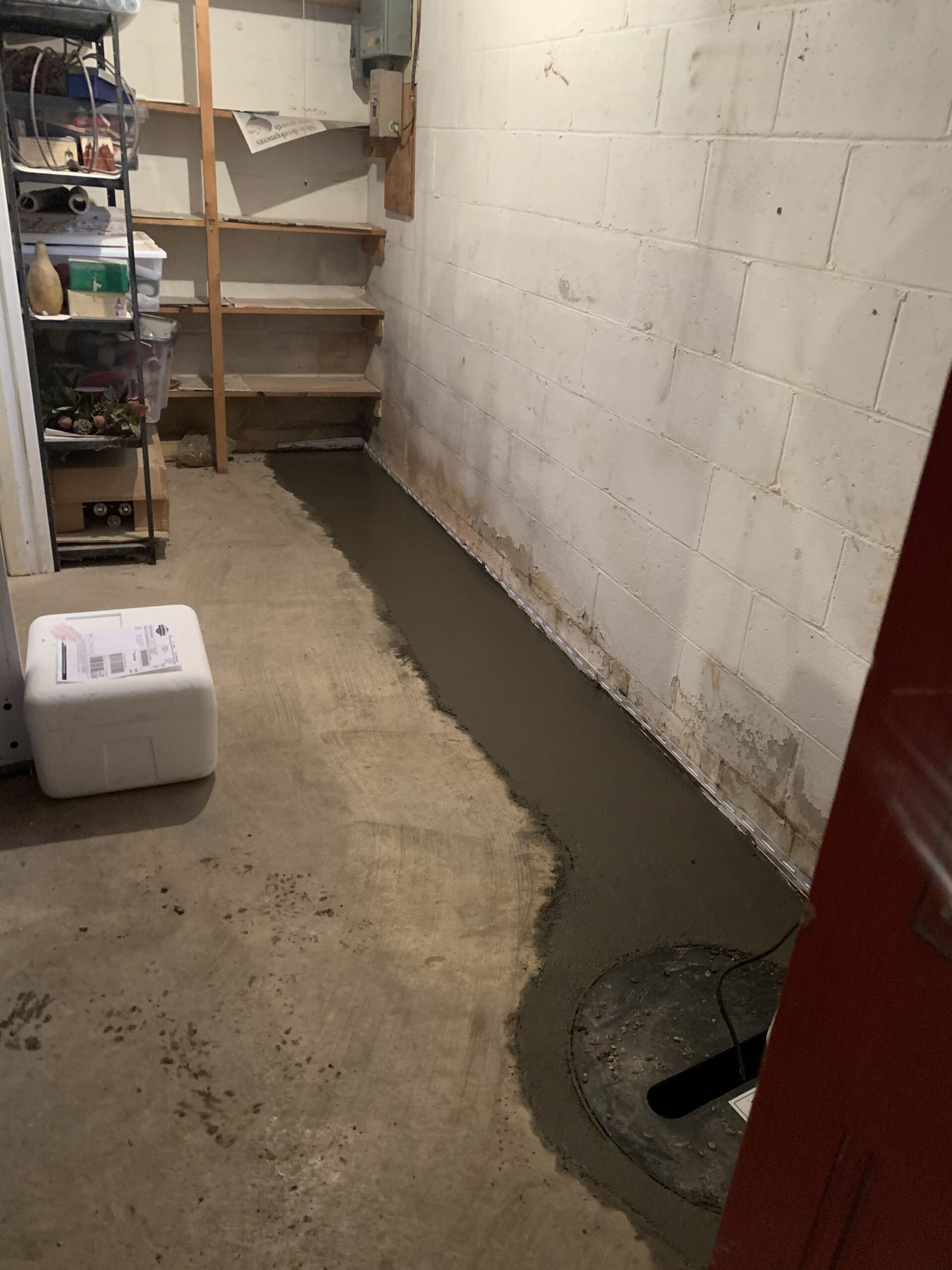
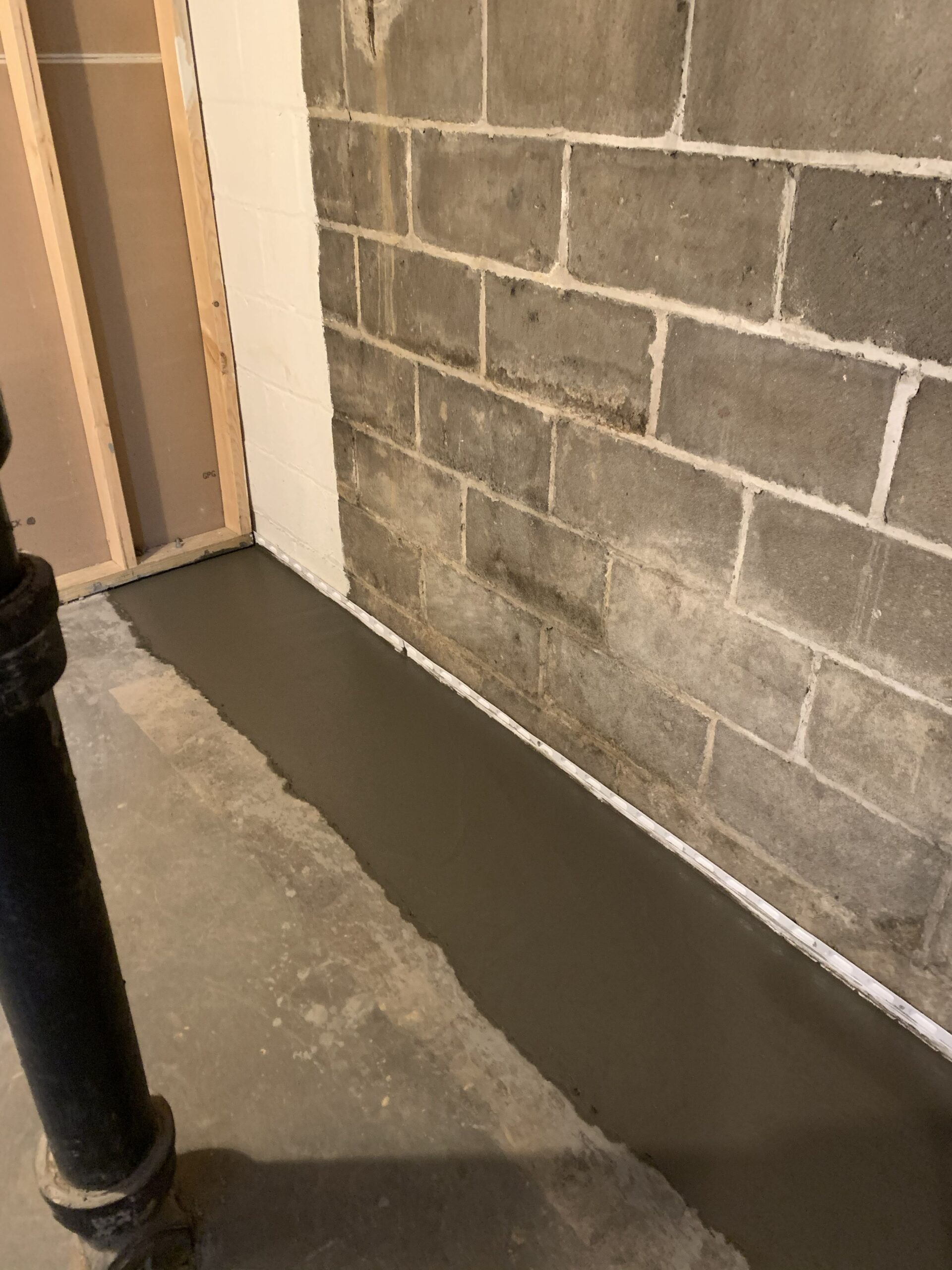
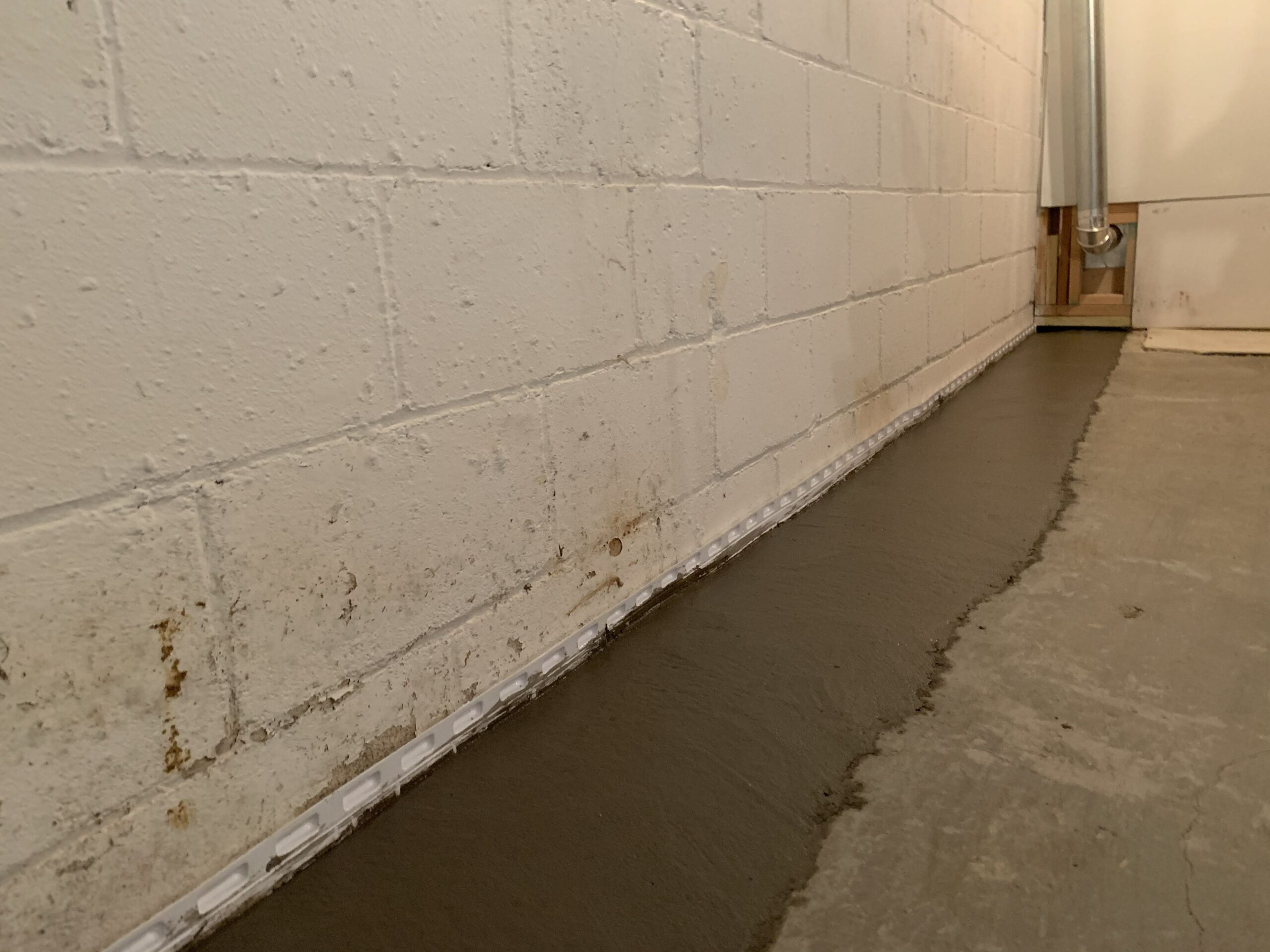
Recent Basement Waterproofing Projects
 Exterior Foundation Waterproofing, Drainage and Masonry Repair — Moline, IllinoisMolinePoor exterior drainage was letting water reach a Moline foundation. Behncke Construction sealed the foundation from the exterior, repaired a damaged s…
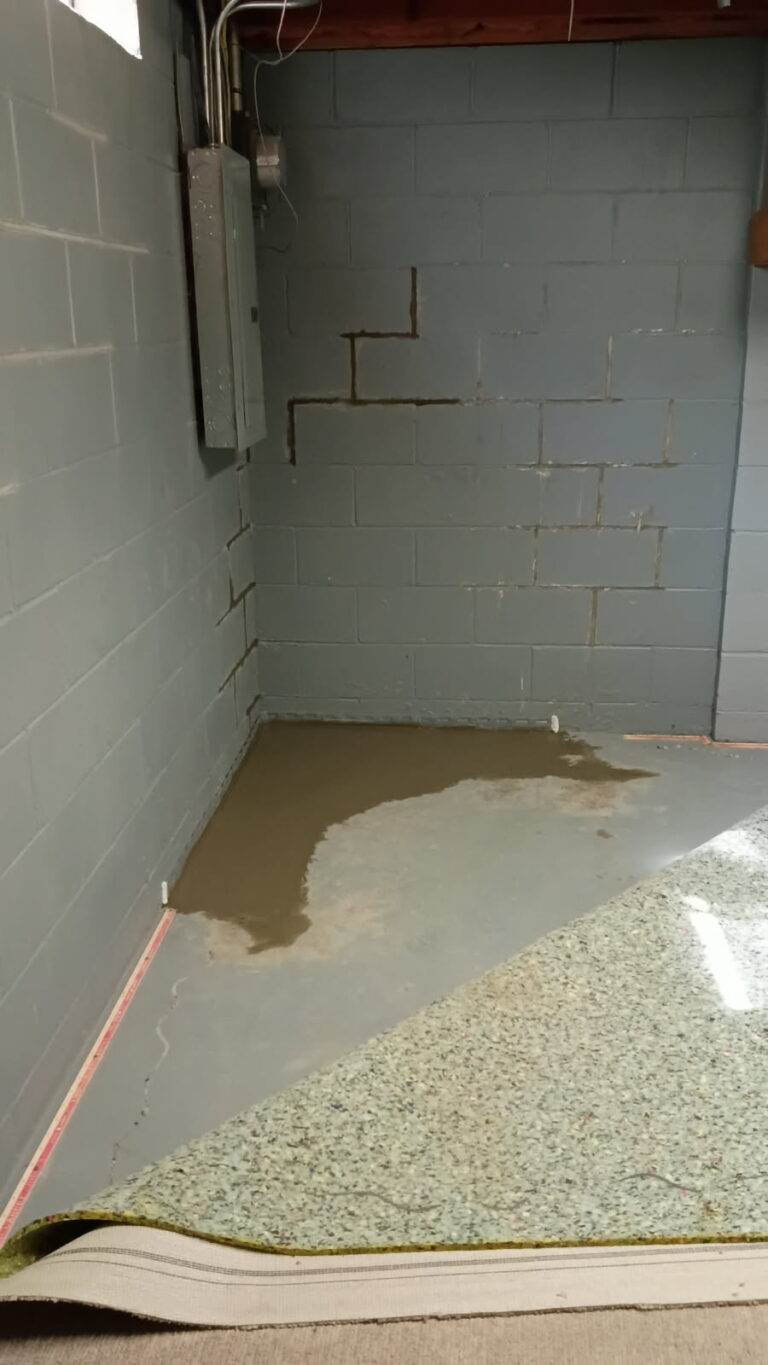 Drain Tile Repair Instead of a New Waterproofing System — Davenport, IowaDavenportA Davenport homeowner was getting water in the basement. Rather than sell a full basement waterproofing system, Behncke Construction located and patch…
 Targeted Foundation Crack and Waterproofing Repair — Davenport, IowaDavenportWater was coming into a Davenport basement through one specific foundation crack. Instead of replacing a drain tile system that still worked, Behncke…
 Basement Waterproofing and Structural Repair — Davenport, IowaDavenportA substantial Davenport project: roughly 100 linear feet of basement waterproofing with a new sump pit and drainage system, plus structural work inclu…
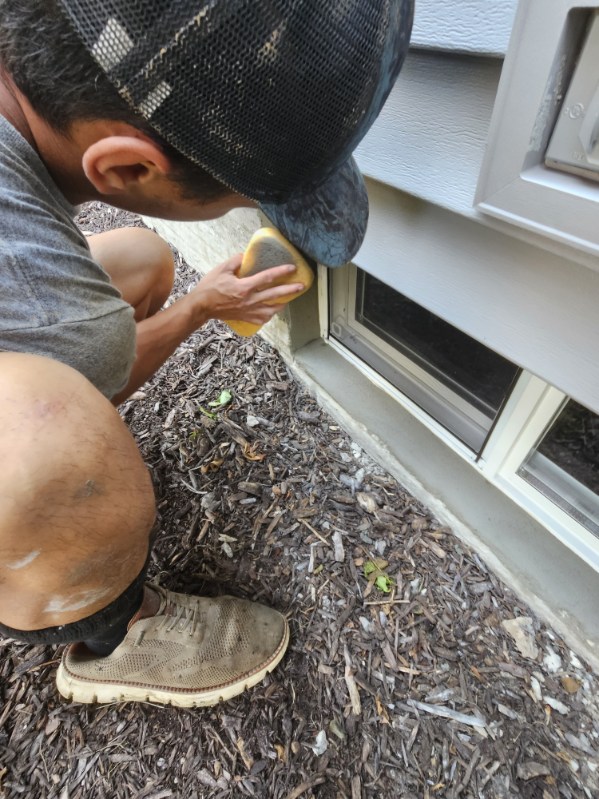 Basement Window Replacement and Exterior Foundation Crack Repair — Davenport, IowaDavenportTwo older basement windows replaced with 32-by-14-inch Duo-Corp double-sliding Low-E units in Davenport, Iowa, plus an exterior foundation crack repai…
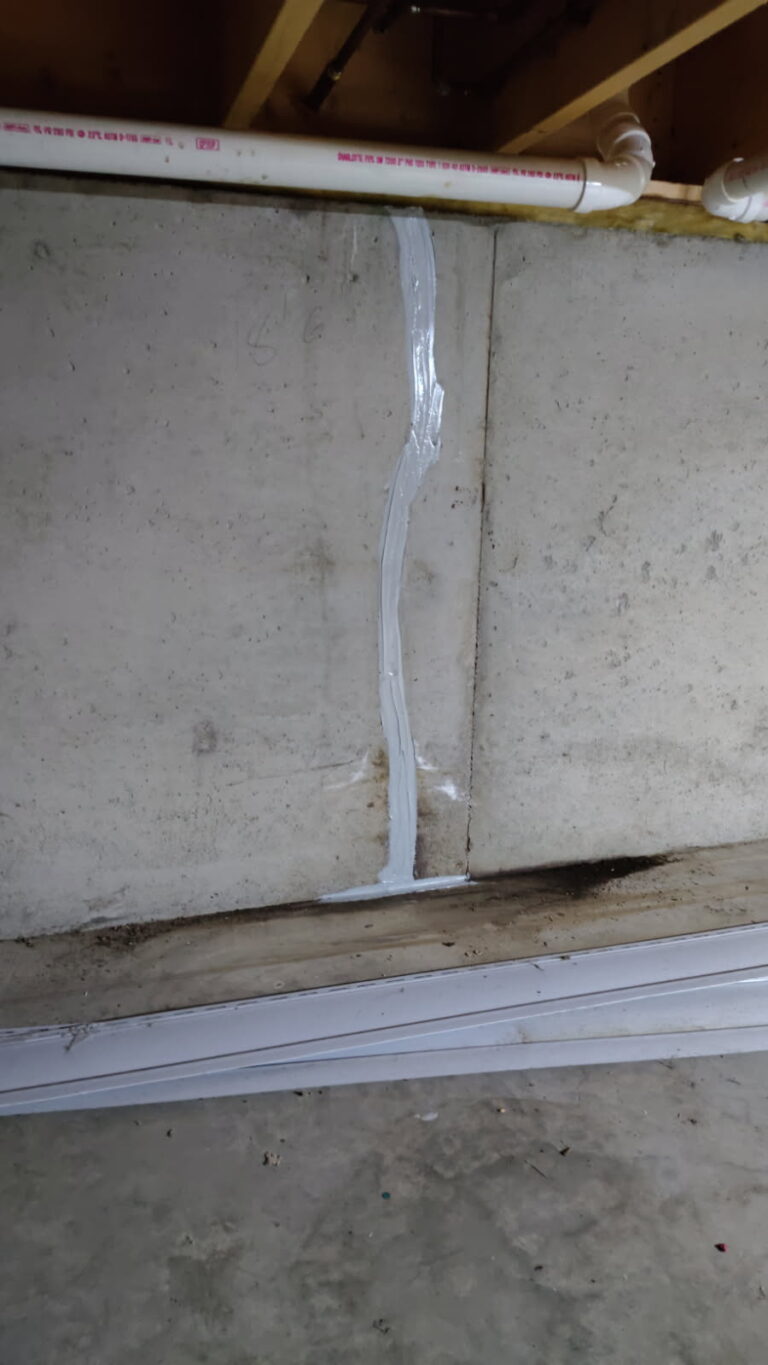 Exterior and Interior Foundation Crack Repair — Near Moline, IllinoisA foundation crack repaired from both directions at a home just west of Moline, Illinois — excavated and sealed from the outside, then repaired again…